How to Say "cuts" in Spanish
The most common Spanish word for “cuts” is “corta” — use 'corta' when referring to the action of cutting something, specifically as the third-person singular present tense of the verb 'cortar'.

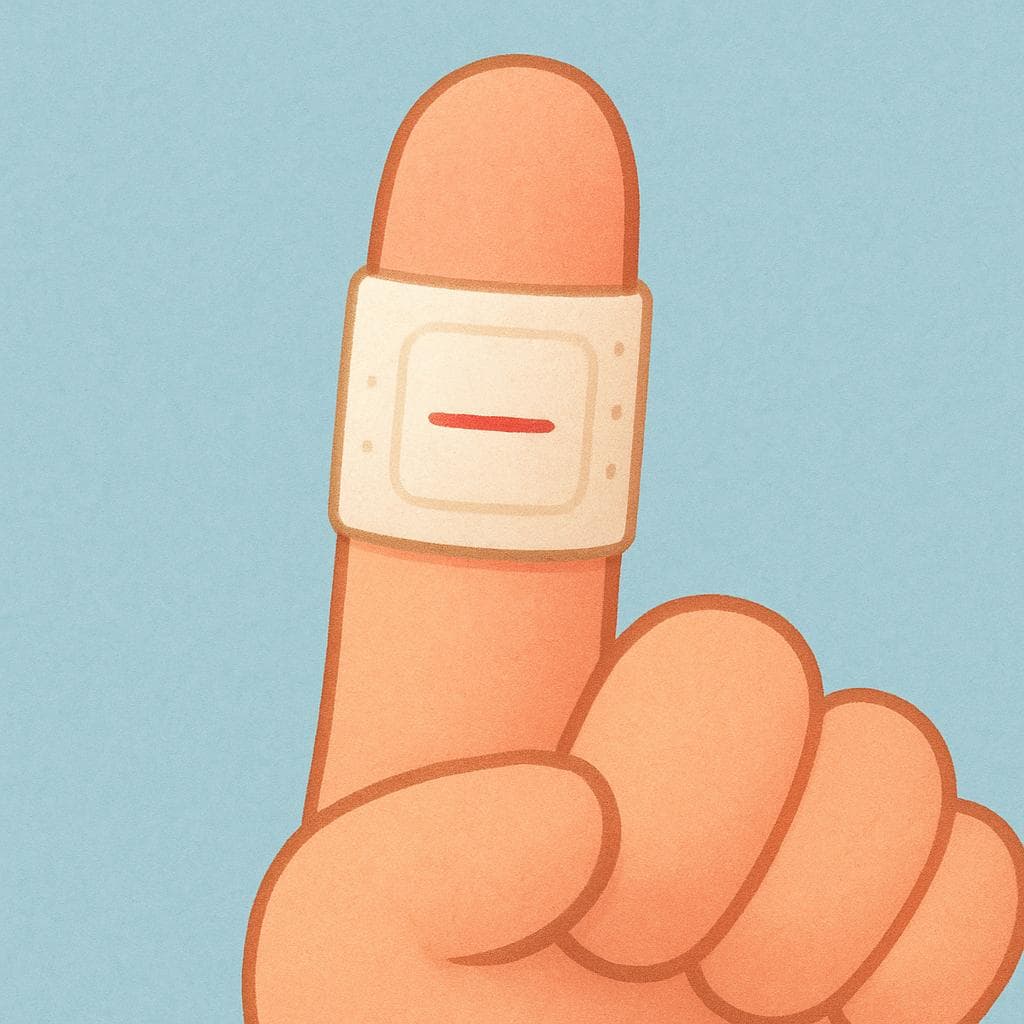

corta
KOR-tahˈkoɾta

Examples
Mi hermana siempre corta el césped los sábados.
My sister always cuts the grass on Saturdays.
¡Corta el pan en rebanadas finas, por favor!
Cut the bread into thin slices, please!
Cuando habla, siempre corta la conversación de los demás.
When she speaks, she always interrupts other people's conversation.
Verb Forms
The form 'corta' is used for 'he/she/it' and 'usted' (formal you) in the present, AND it is the informal command ('tú') for telling someone to cut.
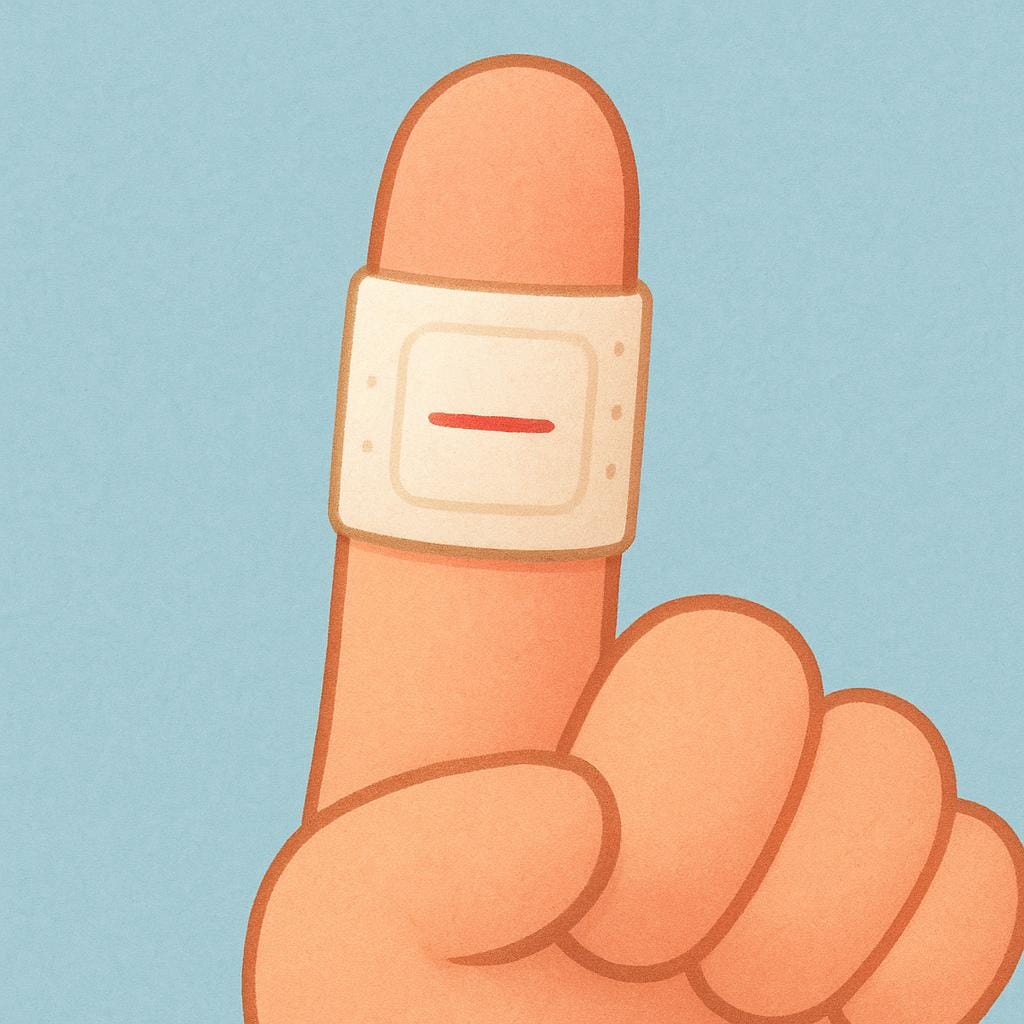
cortes
kor-tesˈkoɾtes
Examples
Los cortes en su brazo eran superficiales.
The cuts on his arm were superficial.
Tuvimos varios cortes de electricidad durante la tormenta.
We had several power cuts during the storm.
Me gusta el corte de pelo que tienes.
I like the haircut (literally, 'cut of hair') you have.
Gender Trap
Even though the singular noun el corte ends in -e, it is masculine, meaning its plural form los cortes is also masculine. Always use 'los' with this meaning.
heridas
eh-REE-dahseˈɾi.ðas

Examples
Las heridas en su brazo necesitan limpieza inmediata.
The wounds on his arm need immediate cleaning.
Después del accidente, las heridas fueron superficiales.
After the accident, the injuries were superficial.
El tiempo cura todas las heridas, dicen.
Time heals all wounds, they say.
Always Feminine
The word 'herida' (singular) and 'heridas' (plural) is always feminine, so you must use feminine articles and adjectives with it (e.g., 'las heridas').
Verb vs. Noun Confusion
Related Translations
Learn Spanish with Inklingo
Interactive stories, personalized learning, and more.