How to Say "insert" in Spanish
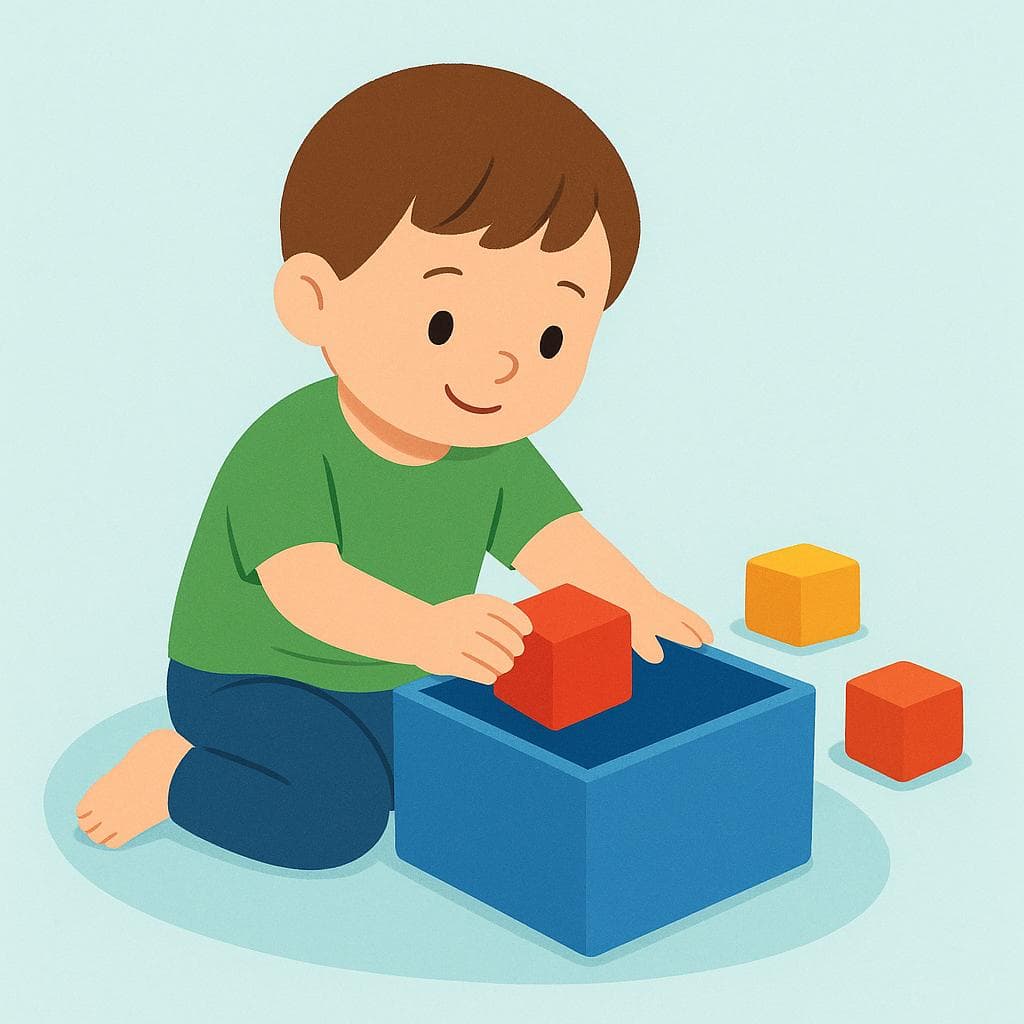
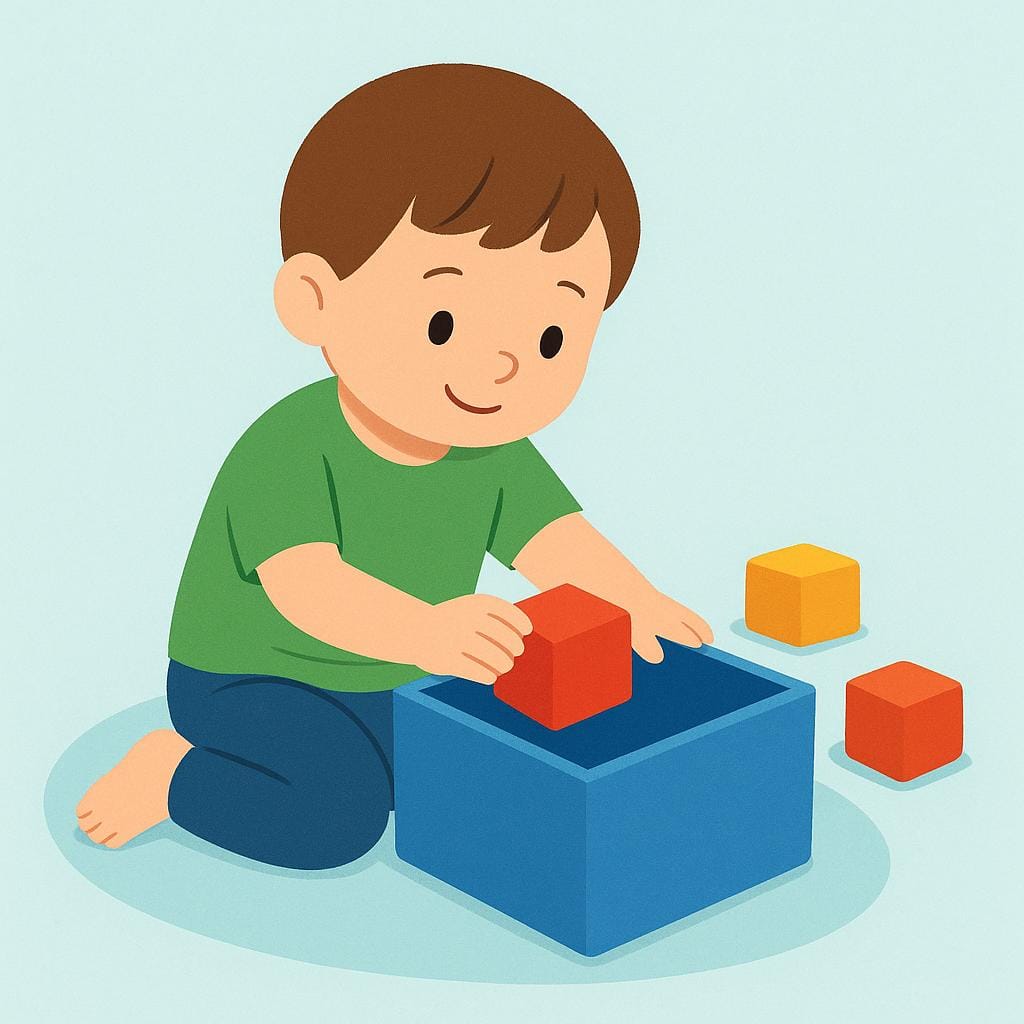
The most common Spanish word for “insert” is “meter” — use 'meter' when you mean to physically put or place something inside something else, often in a casual or informal way. It can also be used as an informal command.

meter
MEH-tehˈme.te
Examples
Ella siempre mete el dinero en el bolsillo.
She always puts the money in her pocket.
¡Mete la basura en el contenedor!
Put the trash in the container!
Usted mete mucha presión en el equipo.
You (formal) put a lot of pressure on the team.
Dual Use of 'Mete'
'Mete' can be a statement (He/She/You formal puts) or a friendly, informal command (You, put!). Listen carefully to the tone and context to know which one it is.
Meter vs. Poner
Use 'meter' when something goes inside something else (like a box or a pocket). Use 'poner' for placing something on a surface (like a table).
Confusing 'Mete' and 'Pone'
Mistake: “Pone la llave en la cerradura. (Incorrect, unless you mean placing the key *on* the lock surface)”
Correction: Mete la llave en la cerradura. (Correct, because the key goes *inside* the lock hole.)
suplemento
soo-pleh-MEHN-tohsupleˈmento

Examples
Hay un suplemento de diez euros por la maleta extra.
There is a ten-euro surcharge for the extra suitcase.
Me gusta leer el suplemento dominical del periódico.
I like reading the Sunday supplement of the newspaper.
Este libro tiene un suplemento con mapas detallados.
This book has a supplement with detailed maps.
Always Masculine
Even though it refers to things that might seem feminine (like a 'dieta' or 'revista'), the word 'suplemento' always uses 'el' or 'un' because it ends in 'o'.
Using 'de' for detail
To specify what the extra is for, simply use 'de' right after the word, like 'suplemento de equipaje' (luggage supplement).
Don't confuse with 'complemento'
Mistake: “Tengo un complemento de diez euros.”
Correction: Tengo un suplemento de diez euros.
Verb vs. Noun Confusion
Related Translations
Learn Spanish with Inklingo
Interactive stories, personalized learning, and more.