How to Say "let's go" in Spanish
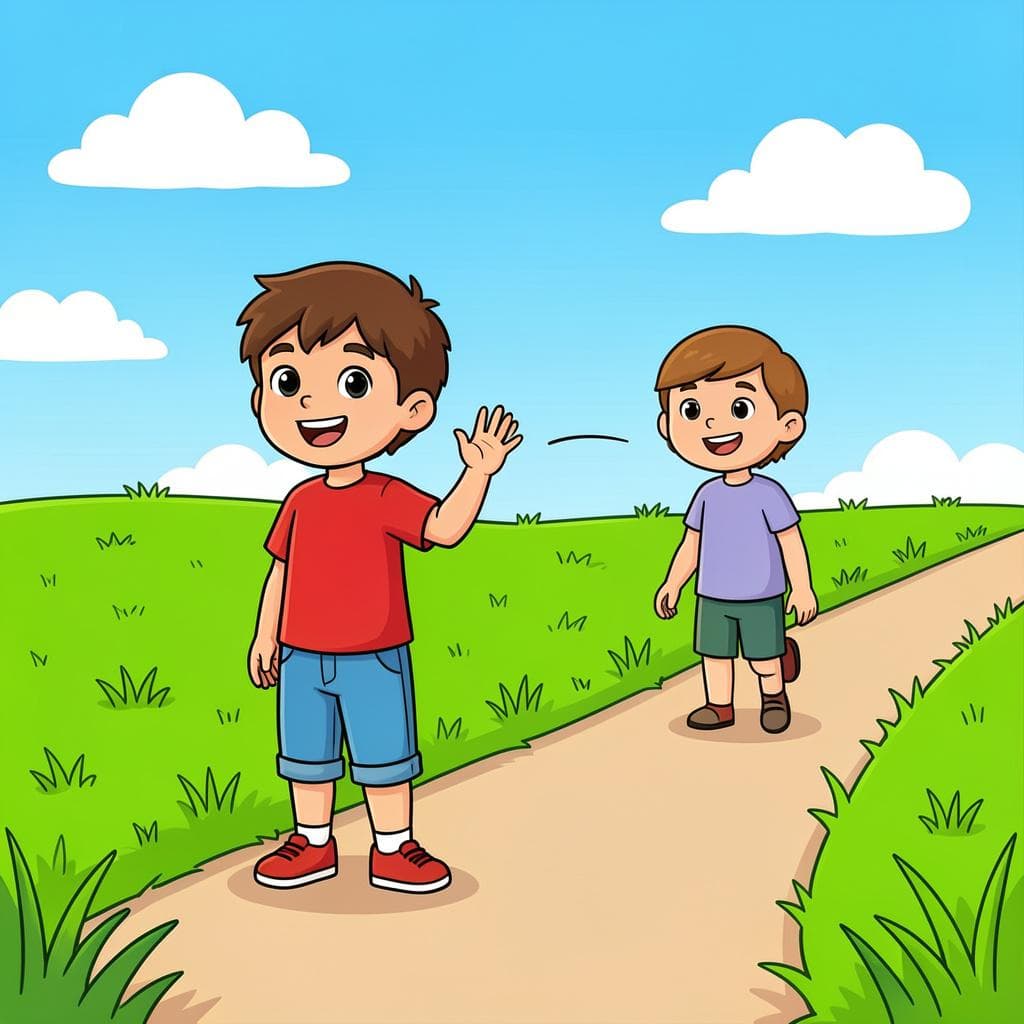
The most common Spanish word for “let's go” is “vamos” — use this for a general suggestion to leave or start something, or as an interjection to cheer someone on.



vamos
BA-mos'bamos

Examples
La película empieza pronto. ¡Vamos!
The movie starts soon. Let's go!
¿Vamos al cine esta noche?
Shall we go to the movies tonight?
Vamos, que llegamos tarde.
Let's go, we're running late.
¡Vamos, tú puedes hacerlo!
Come on, you can do it!
A Friendly Command for 'Us'
'Vamos' is the special command form for 'nosotros' (we/us). It's used to invite people to do something together, making it sound like a suggestion, not a strict order.
vamonos
VAH-moh-nohsˈba.mo.nos

Examples
¡Vámonos! La película empieza en cinco minutos.
Let's go! The movie starts in five minutes.
Ya es tarde. Vámonos a casa.
It's already late. Let's go home.
¿Están listos? ¡Vámonos de aquí!
Are you ready? Let's get out of here!
A Fused Command
This word is a combination of the 'we' command form of the verb 'ir' (to go) which is 'vamos', and the pronoun 'nos' (us). It means 'let's go ourselves'.
The Missing 's'
For most 'we' commands (like 'sentémonos'—let's sit), you drop the final 's' of the verb before adding 'nos'. That's why 'vamos' becomes 'vámonos'.
Forgetting the accent
Mistake: “Writing 'vamonos' (without the accent).”
Correction: The correct spelling is 'vámonos'. The accent is needed to tell you to stress the first syllable (VÁ-mo-nos) and follow the standard Spanish stress rules.
vayamos
vah-YAH-mosbaˈʝa.mos

Examples
¡Vayamos al cine esta noche!
Let's go to the cinema tonight!
Espero que no vayamos muy tarde.
I hope that we don't go too late.
No sugiero que vayamos por ese camino, es peligroso.
I don't suggest that we go down that road, it's dangerous.
Dual Role of Vayamos
This single form is used for two main purposes: to suggest 'Let's go' (like a command) AND to express feelings, wishes, or uncertainty about us going (using the special verb form).
Irregularity of Ir
The verb 'ir' (to go) completely changes its root in this form, switching from 'i-' to 'vay-'. You just have to memorize this exception!
Confusing 'Vayamos' and 'Vamos'
Mistake: “When suggesting an action, beginners often say: 'Vamos a la fiesta.'”
Correction: Say '¡Vayamos a la fiesta!' (Let's go to the party!) to make a suggestion. 'Vamos' only means 'We are going' (We habitually go).
amos
AH-mohsˈamos
Examples
¡Amos, anda! No te creo nada.
Come on, really! I don't believe you at all.
¡Amos, que se nos hace tarde!
Let's go, it's getting late!
Shortened Words
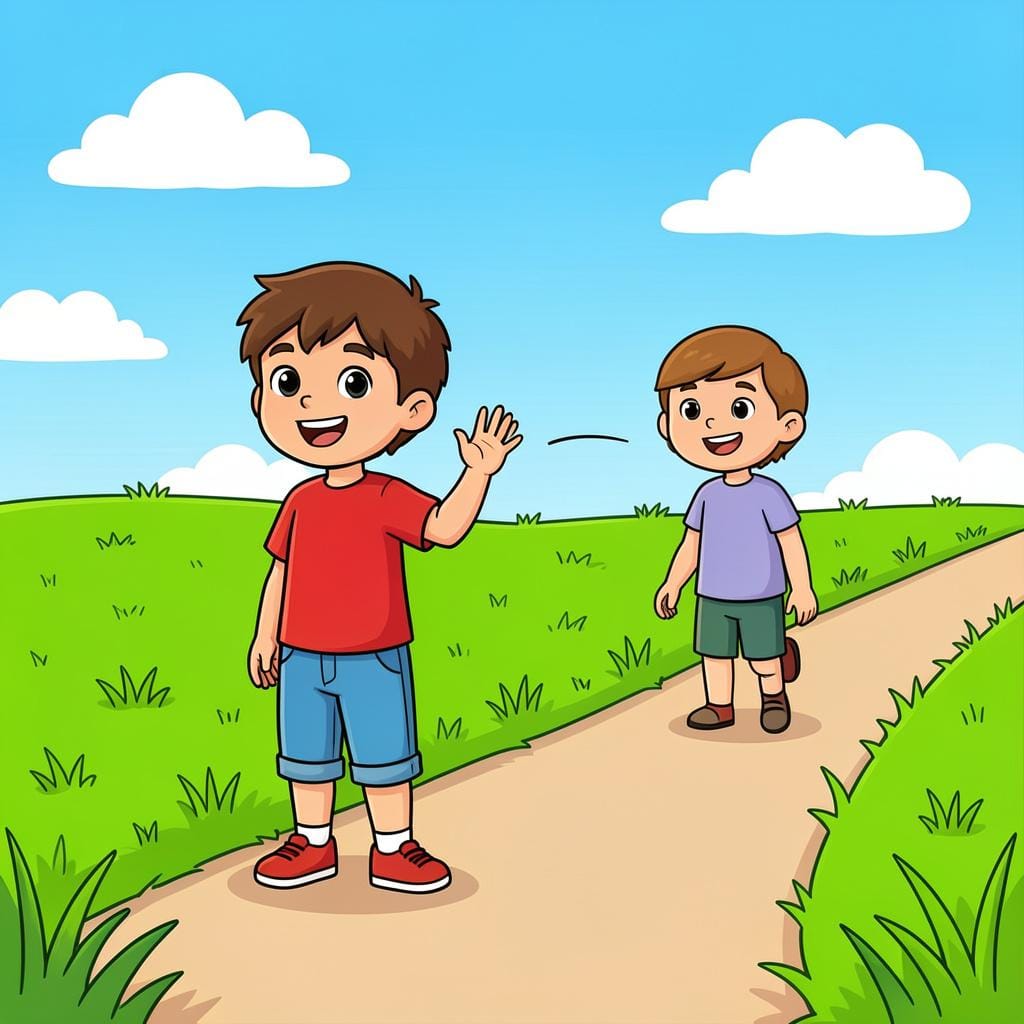
In very casual speech, Spanish speakers sometimes drop the 'v' at the start of 'vamos,' making it 'amos.'
Vamos vs. Vamonos
Related Translations
Learn Spanish with Inklingo
Interactive stories, personalized learning, and more.