How to Say "lights" in Spanish
The most common Spanish word for “lights” is “luces” — use 'luces' when referring to the physical devices that produce light, such as lamps or bulbs, or the general concept of illumination.

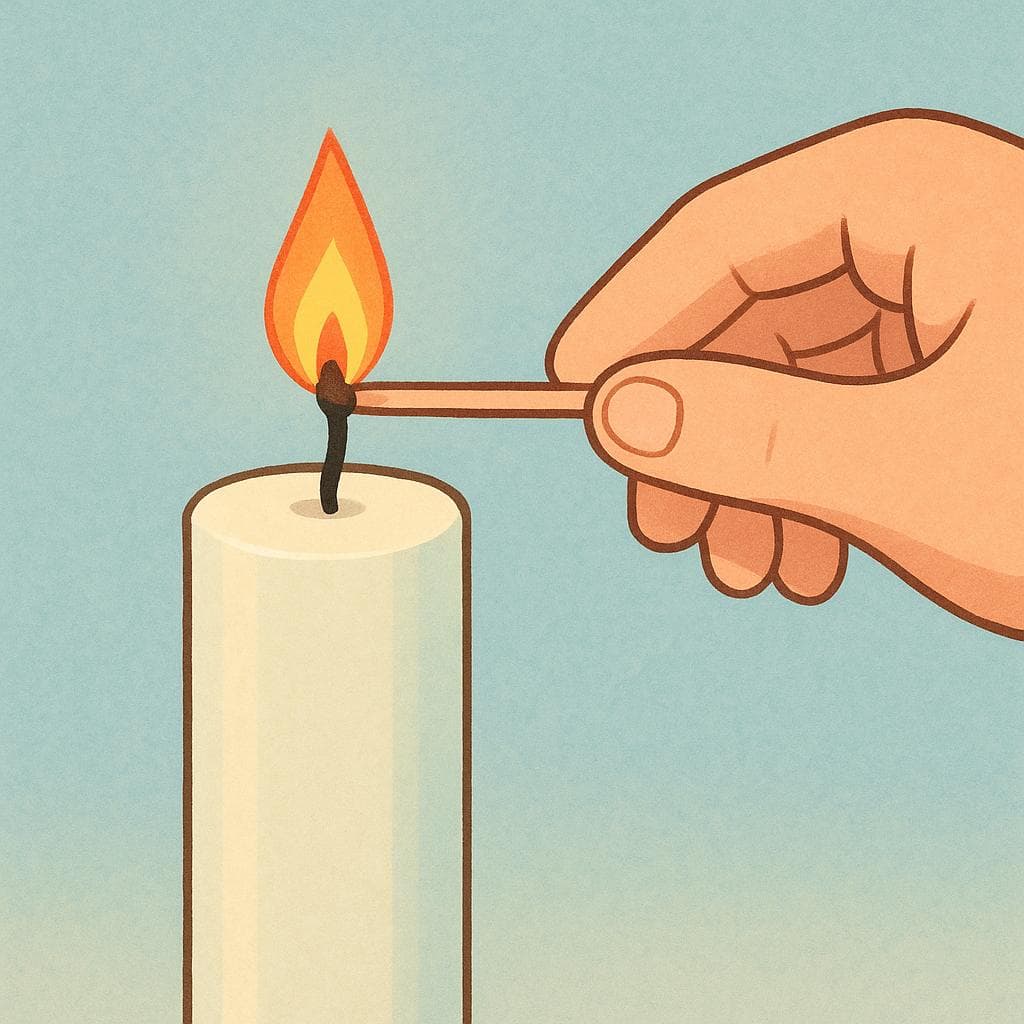
luces
loo-ses/ˈlu.θes/ (Spain) or /ˈlu.ses/ (Latin America)

Examples
Necesitamos encender las luces antes de que oscurezca.
We need to turn on the lights before it gets dark.
Las luces de la ciudad son impresionantes desde aquí.
The city lights are impressive from up here.
Ese niño tiene muchas luces para su edad.
That kid has a lot of wisdom/smarts for his age. (Figurative usage)
Gender and Number
This word is the plural form of the feminine noun 'luz' (light). Even though it ends in -es, you use feminine words (like 'las') before it.
Using the wrong plural form
Mistake: “Using 'luzs' instead of 'luces'.”
Correction: When a singular noun ends in 'z' (like luz), you change the 'z' to 'c' and add 'es' to make it plural (luces).
enciende
en-SYEN-deenˈsjen̪.d̪e
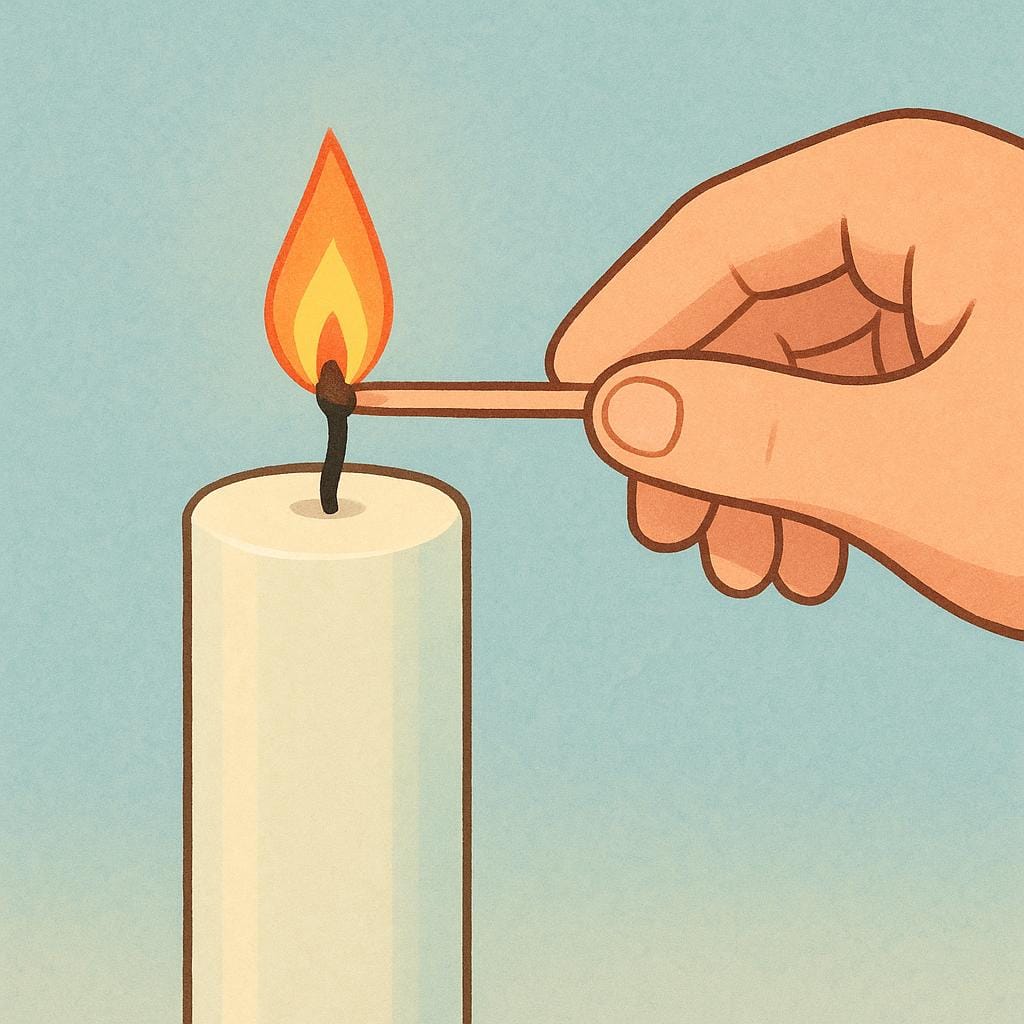
Examples
El viento es fuerte, pero él enciende la fogata.
The wind is strong, but he lights the bonfire.
Ella enciende una vela para ambientar la cena.
She lights a candle to set the mood for dinner.
Noun vs. Verb Confusion
Related Translations
Learn Spanish with Inklingo
Interactive stories, personalized learning, and more.