How to Say "lines" in Spanish
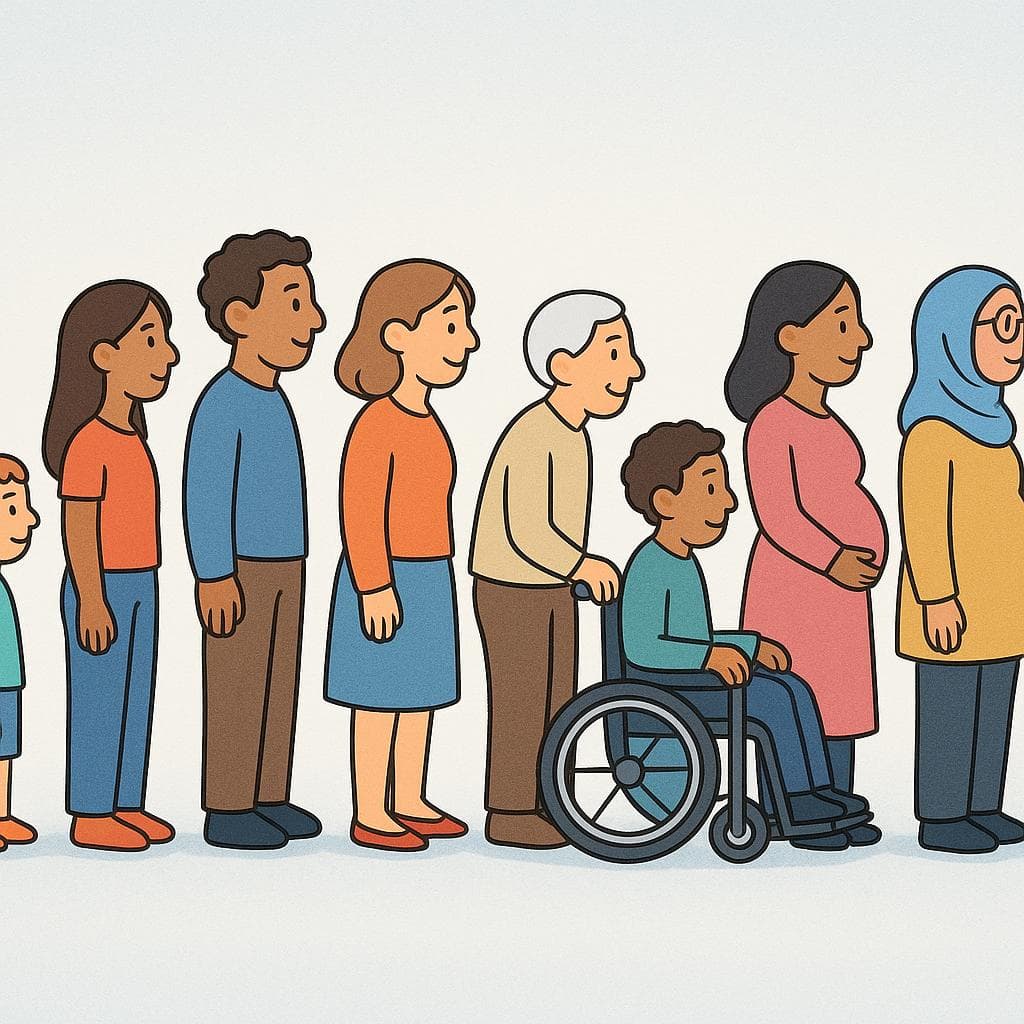
The most common Spanish word for “lines” is “líneas” — use 'líneas' for physical marks, drawings, boundaries, or for telephone, internet, or service connections.



líneas
Examples
El artista dibujó finas líneas en el lienzo.
The artist drew fine lines on the canvas.
filas
FEE-lahsˈfilas
Examples
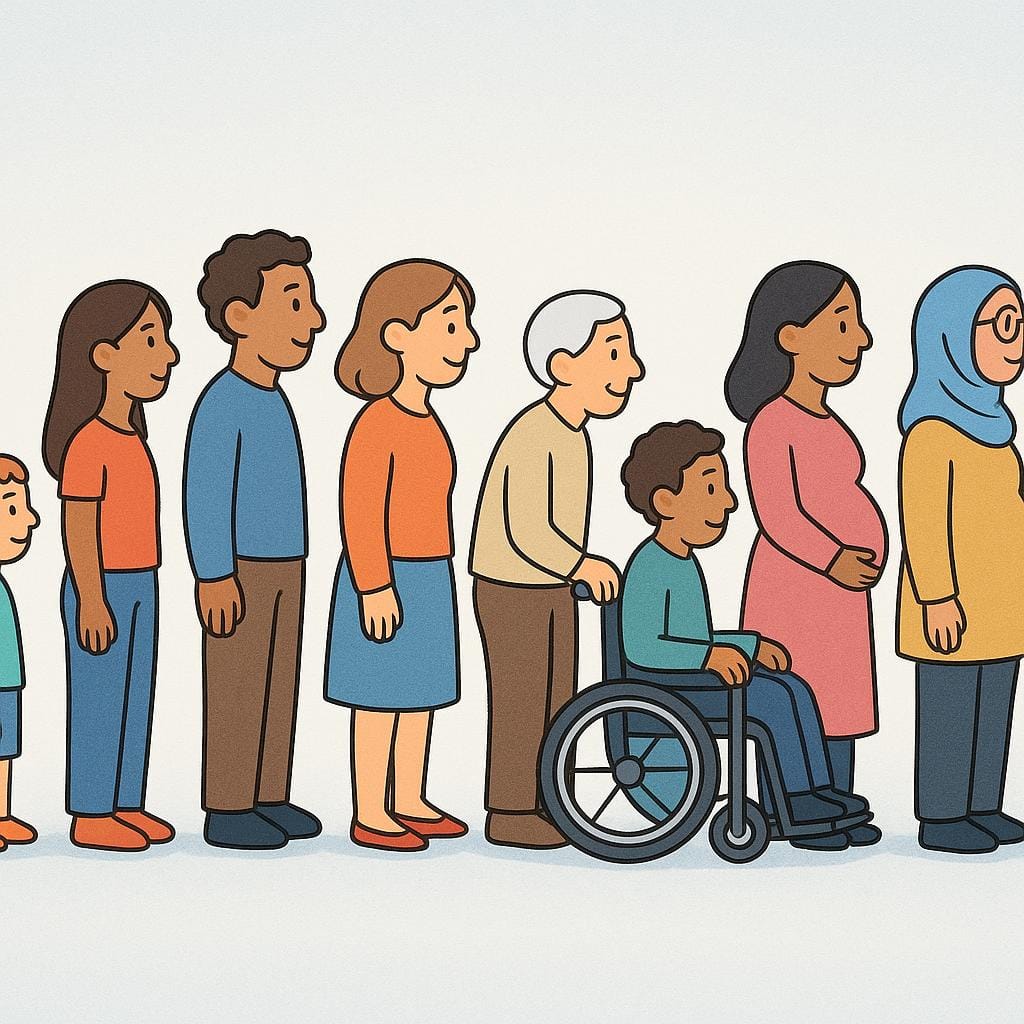
Tuvimos que esperar en una fila muy larga para entrar.
We had to wait in a very long line to get in.
Hay largas filas en la entrada del cine.
There are long lines at the movie theater entrance.
Las sillas están organizadas en cinco filas.
The chairs are organized in five rows.
El joven se unió a las filas del ejército.
The young man joined the ranks of the army.
Plurality
This is the plural version of 'fila.' In Spanish, if there is more than one line, you add an 's' to the end.
Fila vs. Cola
Mistake: “Using 'fila' for every line.”
Correction: While 'fila' is understood everywhere, people in Spain often say 'cola' for waiting in line, while Latin Americans prefer 'fila'.
cuerdas
KWEHR-dahsˈkweɾðas

Examples
Colgué la ropa mojada en las cuerdas del tendedero.
I hung the wet clothes on the clotheslines.
Atamos la carga con unas cuerdas muy fuertes.
We tied the load with some very strong ropes.
Las cuerdas de tender la ropa estaban rotas.
The clotheslines were broken.
Gender Reminder
Remember that cuerda is a feminine noun, so its plural form cuerdas always uses feminine articles and adjectives (e.g., las cuerdas, cuerdas largas).
verso
behr-sohˈbeɾso

Examples
Le dijo todo tipo de versos para convencerla.
He told her all sorts of lines to convince her.
No le creas nada, es puro verso.
Don't believe a word he says, it's just smooth talk.
Tiene mucho verso para convencer a la gente.
He has a lot of 'game' to convince people.
¡Qué verso me metiste!
What a lie you told me!
Using 'verso' as an action
In slang, we often use the word with 'ser' (to be) to describe a person or a situation that isn't genuine.
parlamento
par-lah-MEN-tohpaɾlaˈmento

Examples
El actor ensayó su parlamento varias veces.
The actor rehearsed his lines several times.
El actor olvidó su parlamento en el segundo acto.
The actor forgot his lines in the second act.
Theatrical Use
In this context, it refers to a specific piece of text that one character says without being interrupted.
Don't use for chatting
Mistake: “Saying 'mi parlamento con mi amigo'.”
Correction: Use 'plática' or 'conversación' for everyday talks. 'Parlamento' is for formal or staged speeches.
Lines for People vs. Lines on Paper
Related Translations
Learn Spanish with Inklingo
Interactive stories, personalized learning, and more.