How to Say "legislature" in Spanish
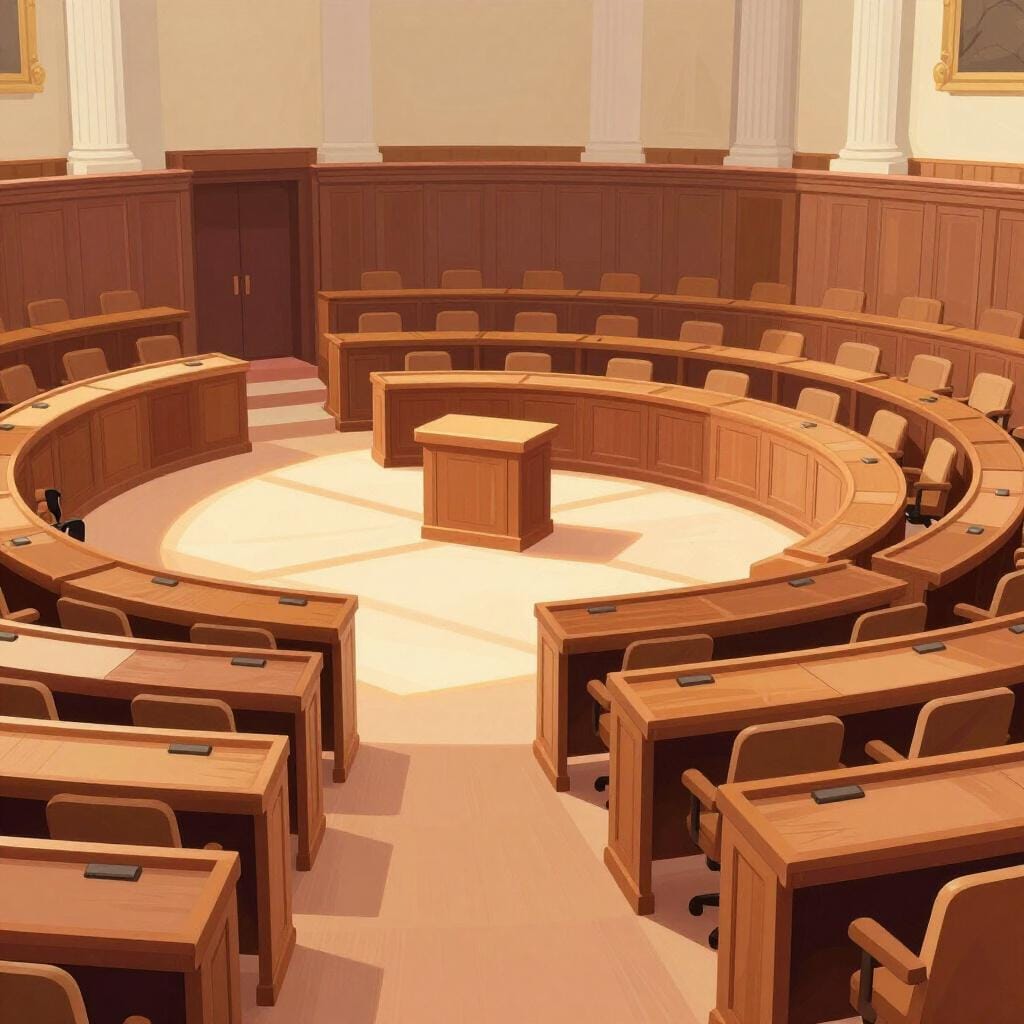
The most common Spanish word for “legislature” is “congreso” — use 'congreso' for a general term for a law-making assembly, particularly common in the Americas but also understood in Spain.

Use 'congreso' for a general term for a law-making assembly, particularly common in the Americas but also understood in Spain.
Learn more →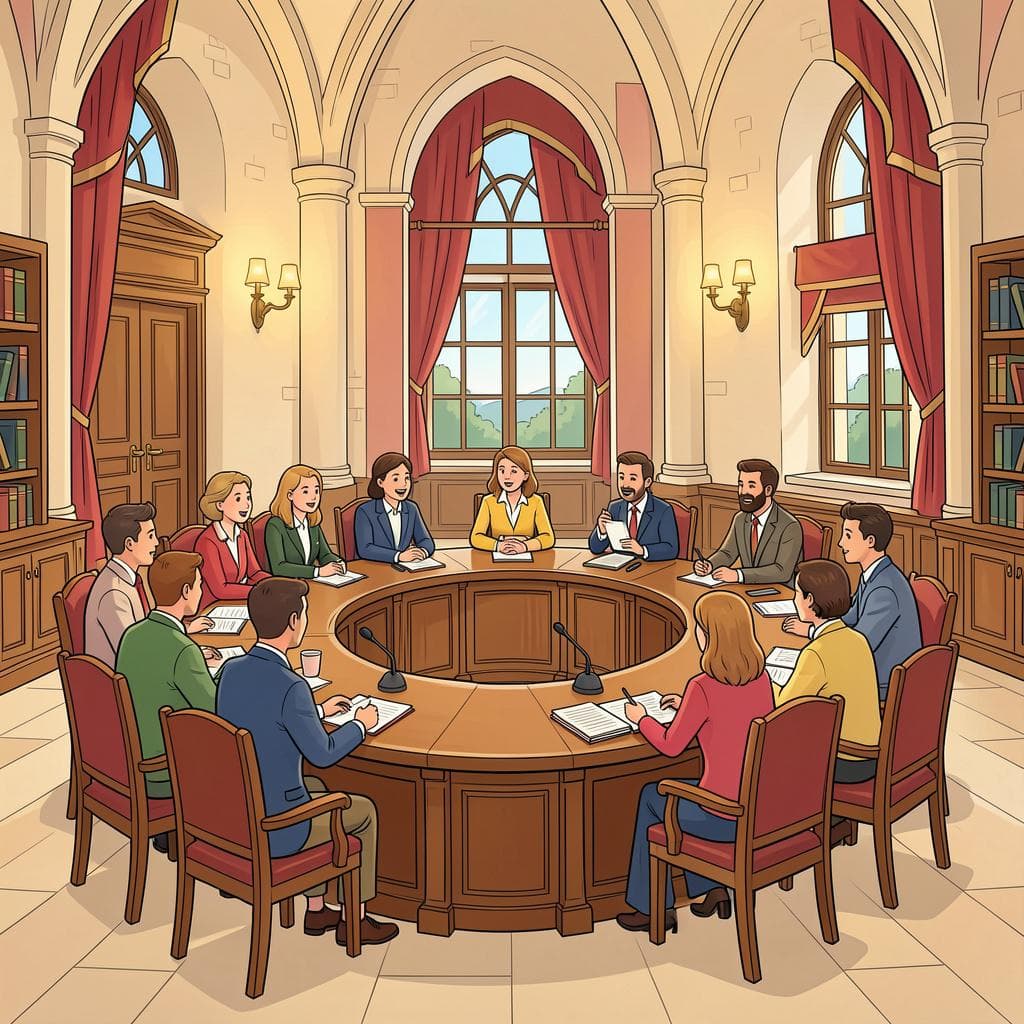
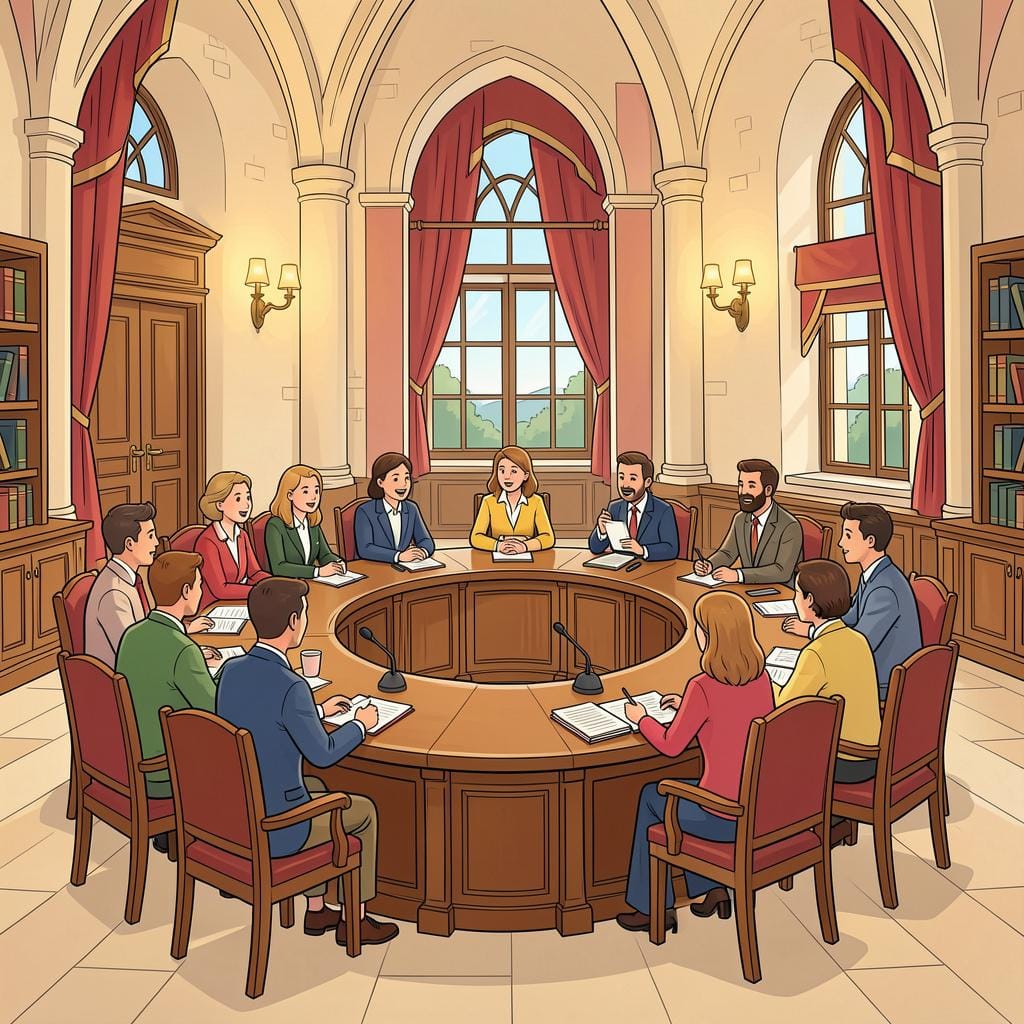
Choose 'parlamento' when referring to the national law-making body, especially in countries with a parliamentary system like Spain or the UK.
Learn more →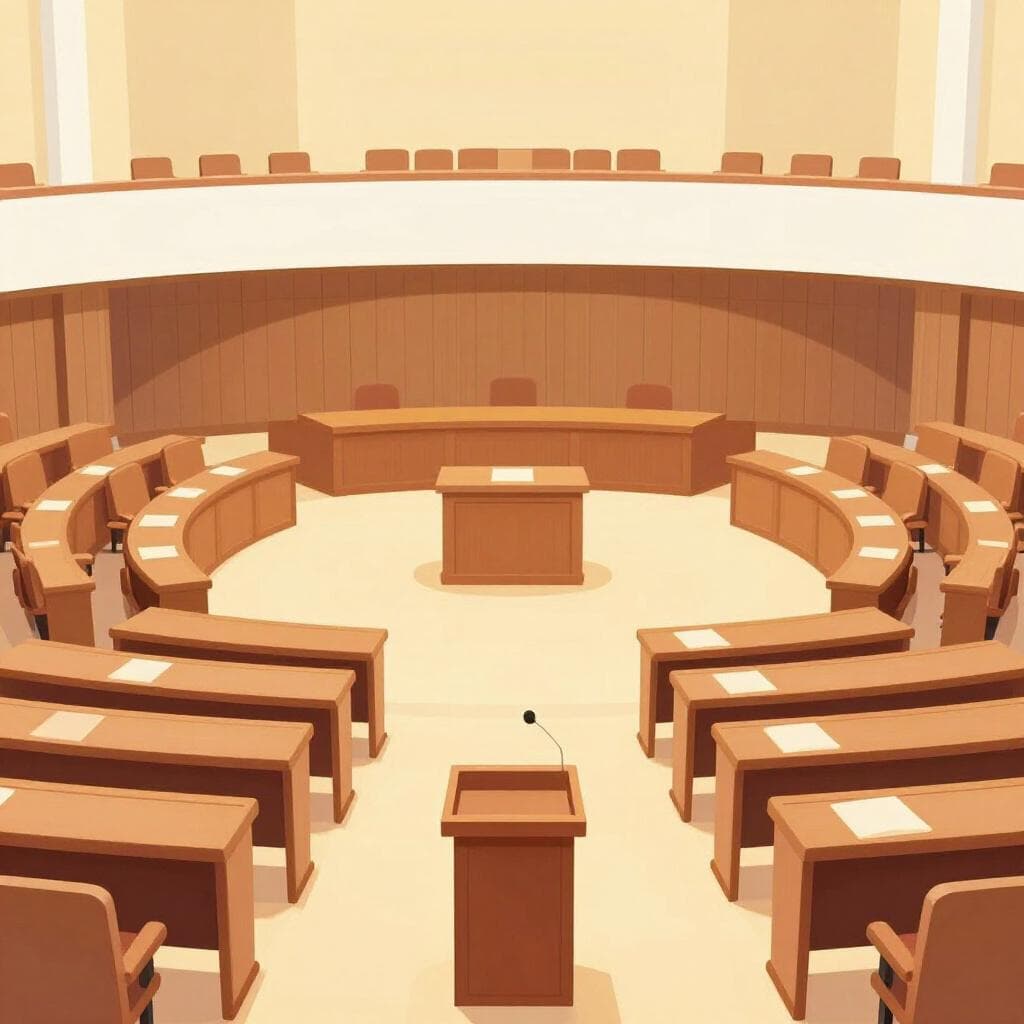
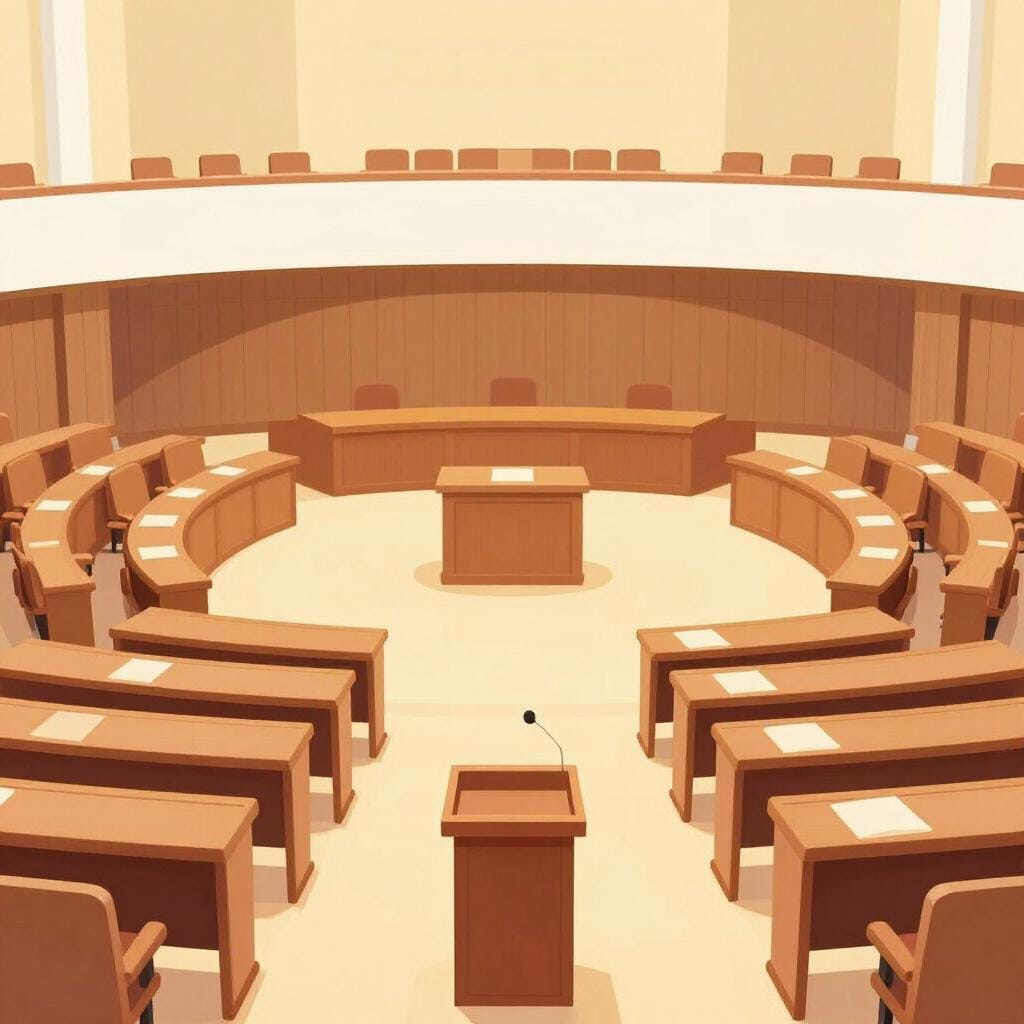
Use 'asamblea' for a general term for a deliberative or law-making body, often used for national assemblies or specific types of legislative meetings.
Learn more →
Employ 'legislativo' to refer to the legislative branch of government as a whole, emphasizing its function rather than a specific institution.
Learn more →
Use 'legislatura' specifically to denote the *term* or *period* during which a legislature is active, rather than the body itself.
Learn more →kohn-GREH-sohkoŋˈɡɾeso

Examples
El congreso aprobó la nueva ley de impuestos.
Congress approved the new tax law.
La sesión del congreso será televisada esta noche.
The parliamentary session will be televised tonight.
El edificio del congreso es un lugar histórico.
The congress building is a historic place.
Masculine Noun Rule
Even though this word refers to a large group of people, it is always a masculine noun ('el congreso'), so use masculine articles and adjectives with it.
par-lah-MEN-tohpaɾlaˈmento
Examples
El parlamento votará sobre la nueva ley mañana.
The parliament will vote on the new law tomorrow.
Muchos ciudadanos se reunieron frente al parlamento.
Many citizens gathered in front of the parliament building.
Using Gender
This is a masculine noun. Always use masculine markers like 'el' (the) or 'un' (a), even if the people inside the parliament are men or women.
Parliament vs. Congress
Mistake: “Using 'parlamento' for every country.”
Correction: Use 'parlamento' for countries with a parliamentary system (like Spain or the UK), but 'congreso' is more common for systems like the US or Mexico.
ah-sahm-BLEH-ahasamˈblea
Examples
La Asamblea Nacional aprobó el presupuesto para el próximo año.
The National Assembly approved the budget for next year.
Los miembros de la asamblea legislativa debatieron la nueva ley.
The members of the legislative assembly debated the new law.
Capitalization
When referring to a specific government body like 'The National Assembly,' capitalize it as 'La Asamblea Nacional.'
le-his-la-TEE-bolexislaˈtiβo

Examples
El legislativo votará la nueva ley mañana por la mañana.
The legislature will vote on the new law tomorrow morning.
Existe una gran tensión entre el ejecutivo y el legislativo.
There is great tension between the executive and the legislative branches.
El legislativo rechazó la propuesta del presidente por unanimidad.
The legislature unanimously rejected the president's proposal.
Always Masculine
When used as a noun to mean 'the legislative branch,' it is always masculine: 'el legislativo'.
Describing a Person
Mistake: “Mi tío es un legislativo.”
Correction: Mi tío es un legislador.
leh-hees-lah-TOO-rahlexislaˈtuɾa
Examples
La legislatura dura cuatro años en España.
The legislative term lasts four years in Spain.
Durante esta legislatura, se han aprobado leyes muy importantes.
During this term, very important laws have been passed.
El presidente anunció nuevas medidas antes del fin de la legislatura.
The president announced new measures before the end of the term.
It's Feminine
Even though it ends in '-a', which is usually feminine, it's helpful to remember it always takes 'la' or 'una'. Think 'La legislatura'.
Time vs. People
In Spanish, this word refers more often to the 'block of time' that politicians are in power rather than the building or the people themselves.
Legislatura vs. Legislación
Mistake: “La legislatura de este país es muy compleja.”
Correction: La legislación de este país es muy compleja. Use 'legislación' for the laws themselves, and 'legislatura' for the time period.
Confusing the body with its term
Learners often confuse 'legislatura' with terms like 'congreso' or 'parlamento'. Remember that 'legislatura' specifically refers to the *period of time* a legislature serves, not the institution itself. Use 'congreso', 'parlamento', or 'asamblea' for the group of people making laws.
Related Translations
Learn Spanish with Inklingo
Interactive stories, personalized learning, and more.