How to Say "listened to" in Spanish
The most common Spanish word for “listened to” is “escuchado” — use 'escuchado' as an adjective to describe advice, recommendations, or ideas that are commonly heard or heeded by many people.
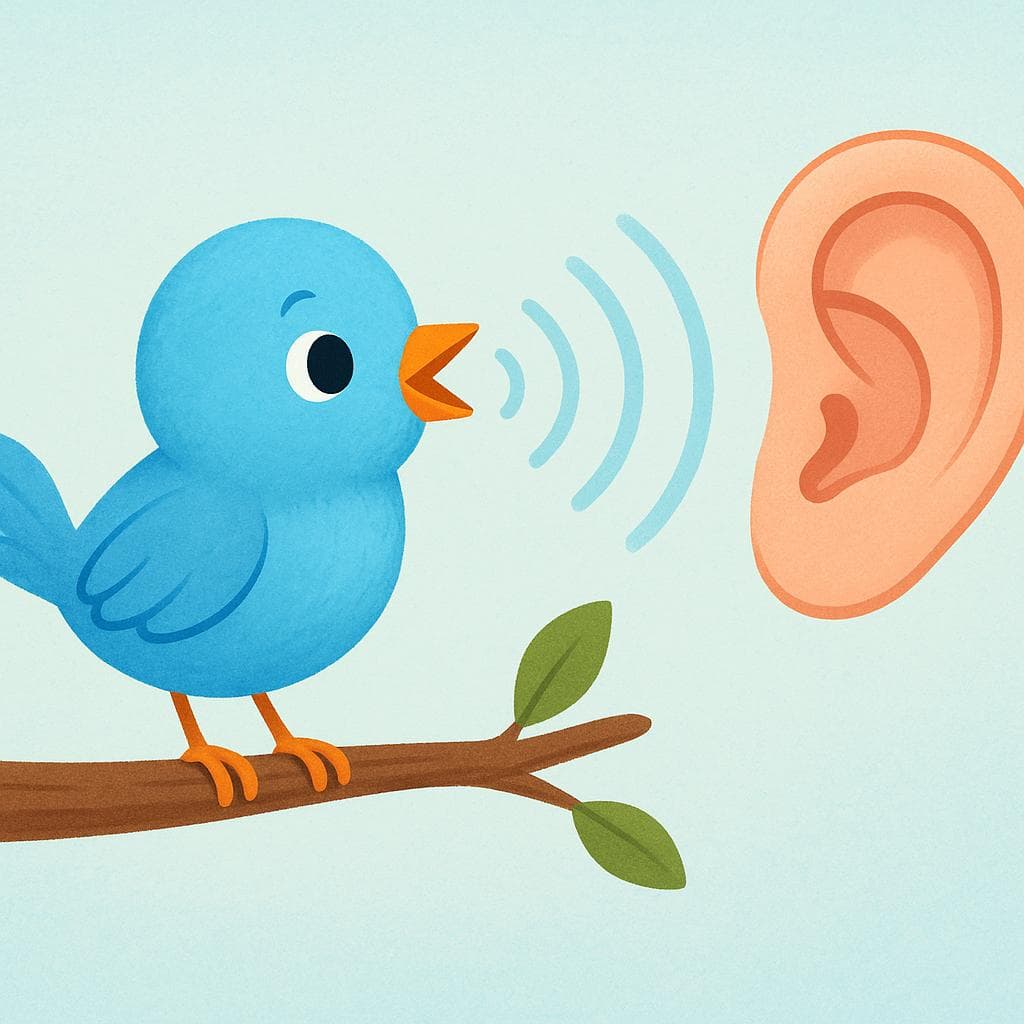
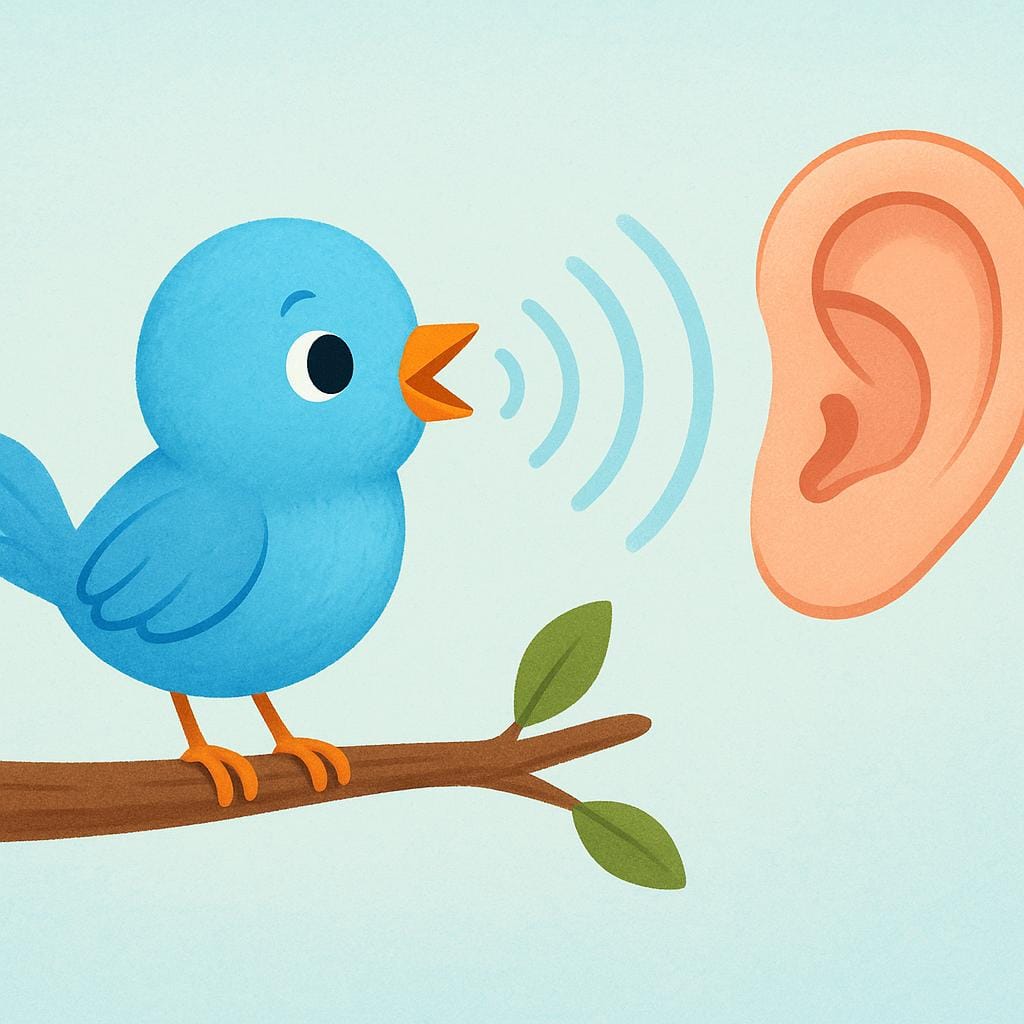
Use 'escuchado' as an adjective to describe advice, recommendations, or ideas that are commonly heard or heeded by many people.
Learn more →
Use 'oído' (as a past participle) when referring to the act of hearing or perceiving a sound or story, often in a singular or past event context.
Learn more →es-coo-CHAH-dohes.kuˈtʃa.ðo
Examples
Era un consejo muy escuchado entre los estudiantes.
It was advice that was widely listened to among the students.
Las palabras escuchadas en la radio resultaron ser falsas.
The words heard on the radio turned out to be false.
Matching the Noun
When 'escuchado' describes a noun (like 'rumor' or 'música'), it acts like a regular adjective and must change its ending to match the noun's gender and quantity: escuchado (m. singular), escuchada (f. singular), escuchados (m. plural), escuchadas (f. plural).
Forgetting Agreement
Mistake: “La canción es escuchado.”
Correction: La canción es escuchada. (Since 'canción' is feminine, the adjective must be feminine.)
oh-EE-dohoˈiðo
Examples
Nunca he oído una historia tan increíble.
I have never heard such an incredible story.
Nunca he oido una historia tan increíble.
I have never heard such an incredible story.
La canción oido en la radio era muy pegadiza.
The song heard on the radio was very catchy.
Forming Perfect Tenses
Use 'oido' after a form of the verb 'haber' (to have) to describe actions completed in the past: 'He oído' (I have heard).
Using 'Escuchado'
Mistake: “He escuchado la noticia.”
Correction: He oído la noticia. (While 'escuchado' is okay, 'oído' is often preferred for receiving sounds or news, whereas 'escuchar' emphasizes the act of paying attention.)
Adjective vs. Past Participle
Learners often confuse 'escuchado' and 'oído' by using 'oído' when they mean something is widely 'listened to' or heeded by a group. Remember, 'escuchado' describes something that is generally heard or taken into account, while 'oído' focuses on the act of hearing itself.
Related Translations
Learn Spanish with Inklingo
Interactive stories, personalized learning, and more.