How to Say "litter" in Spanish
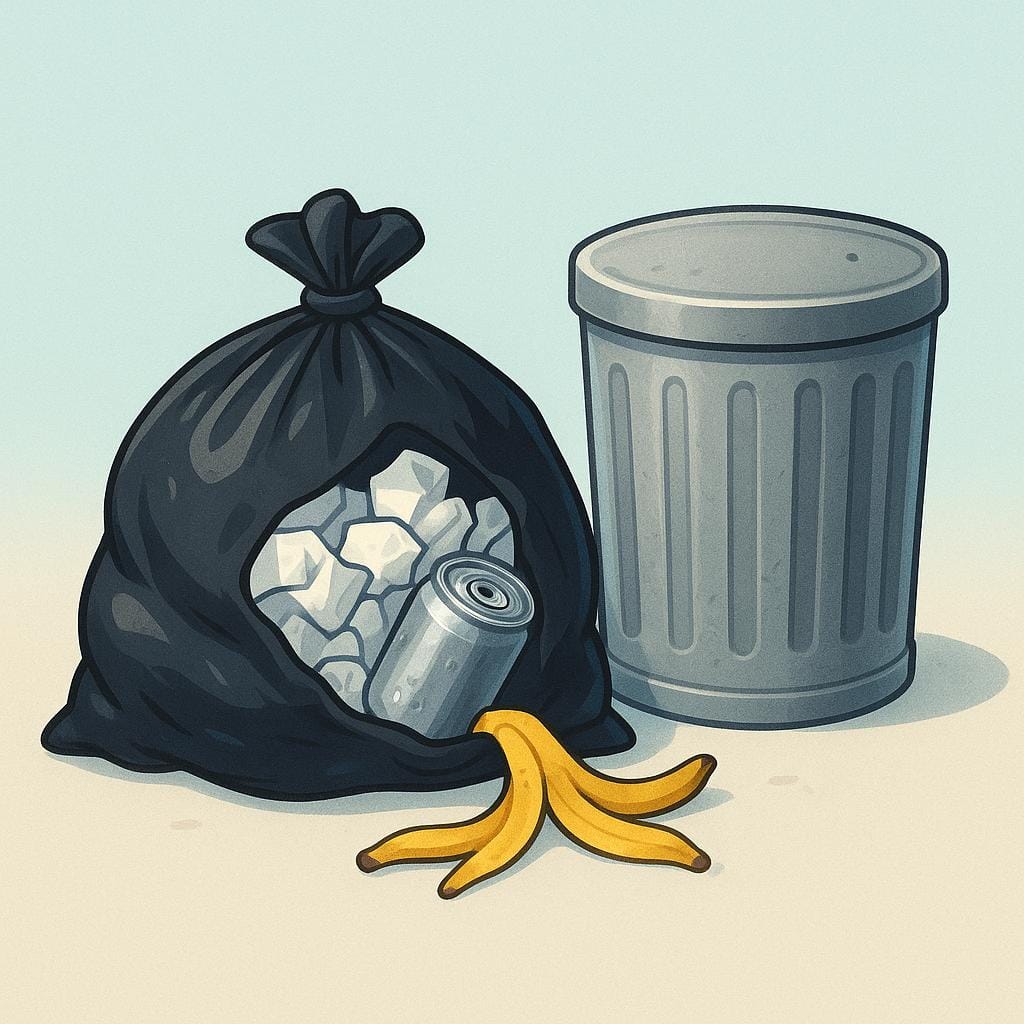
The most common Spanish word for “litter” is “basura” — use 'basura' when referring to trash, garbage, or waste that has been carelessly discarded in a public place or left lying around.
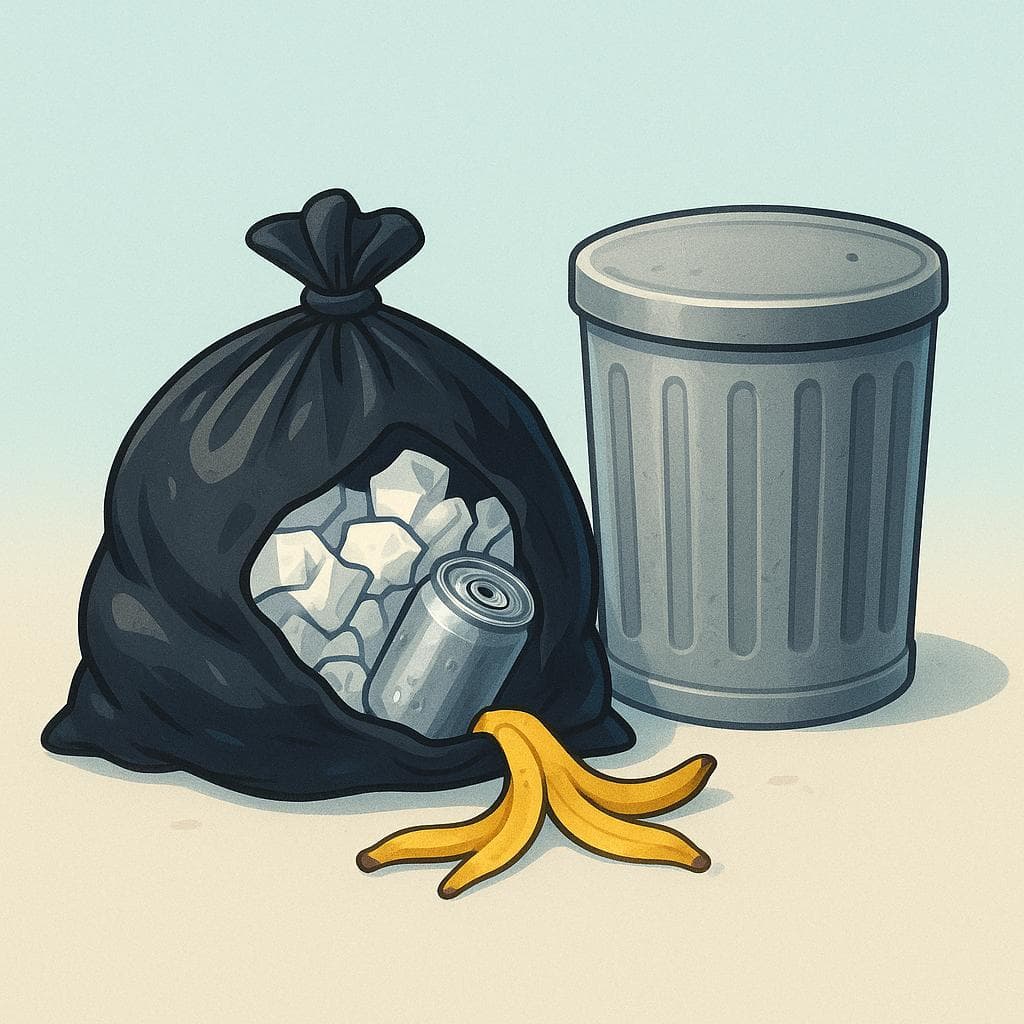

basura
ba-SOO-rabaˈsuɾa
Examples
No dejes basura en el parque.
Don't leave litter in the park.
Por favor, saca la basura.
Please, take out the trash.
El camión de la basura pasa los martes por la mañana.
The garbage truck comes on Tuesday mornings.
No tires basura en el parque.
Don't throw litter in the park.
Always Feminine
Remember that 'basura' is a feminine word, so you'll always use 'la basura' or 'una basura', never 'el' or 'un'.
andas
AHN-dasˈan.das

Examples
Las andas del santo pesaban mucho.
The saint's litter was very heavy.
Los costaleros llevaban las pesadas andas del Cristo por la calle.
The bearers were carrying the heavy processional float of the Christ through the street.
Las andas fueron decoradas con terciopelo y oro para la procesión.
The floats were decorated with velvet and gold for the procession.
Trash vs. Processional Litter
Learn Spanish with Inklingo
Interactive stories, personalized learning, and more.