How to Say "locket" in Spanish
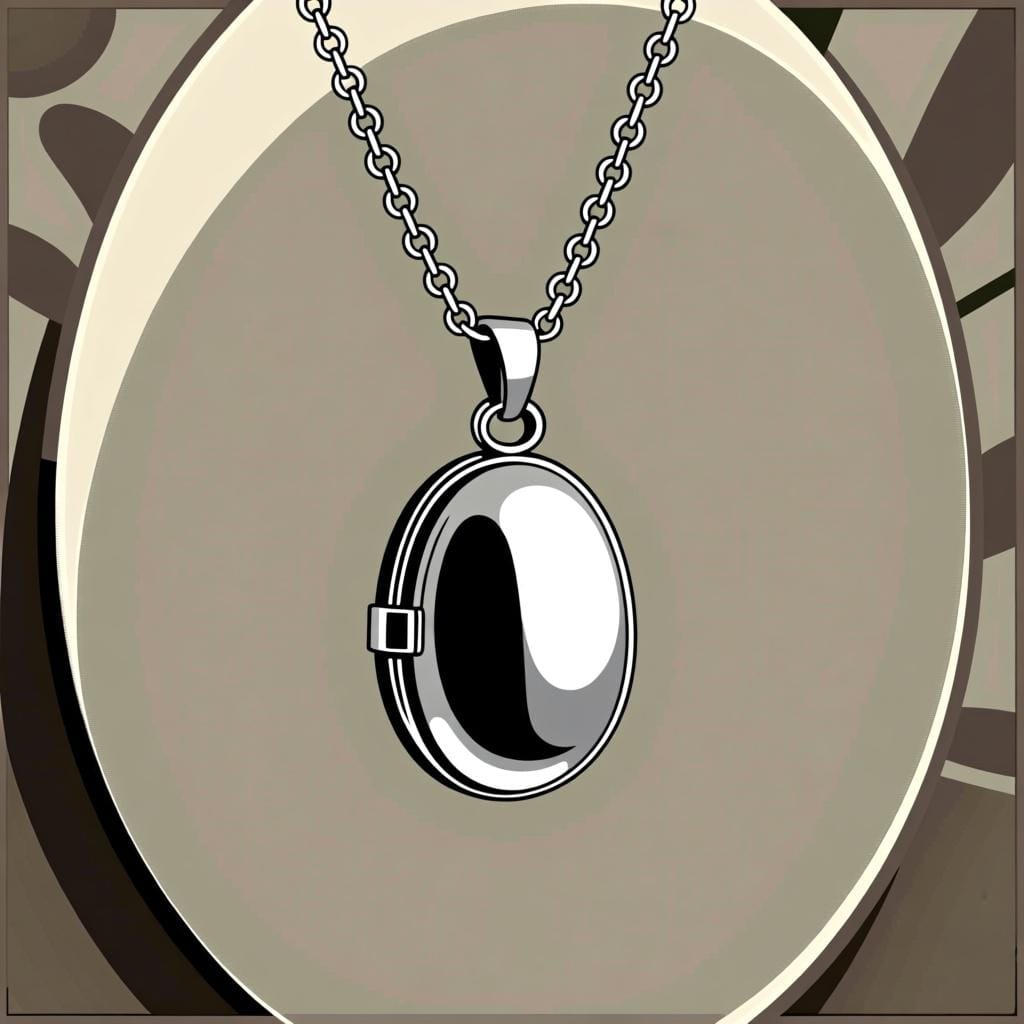
The most common Spanish word for “locket” is “dije” — use 'dije' when referring to a pendant, especially one that opens to hold a picture or keepsake, worn on a necklace.
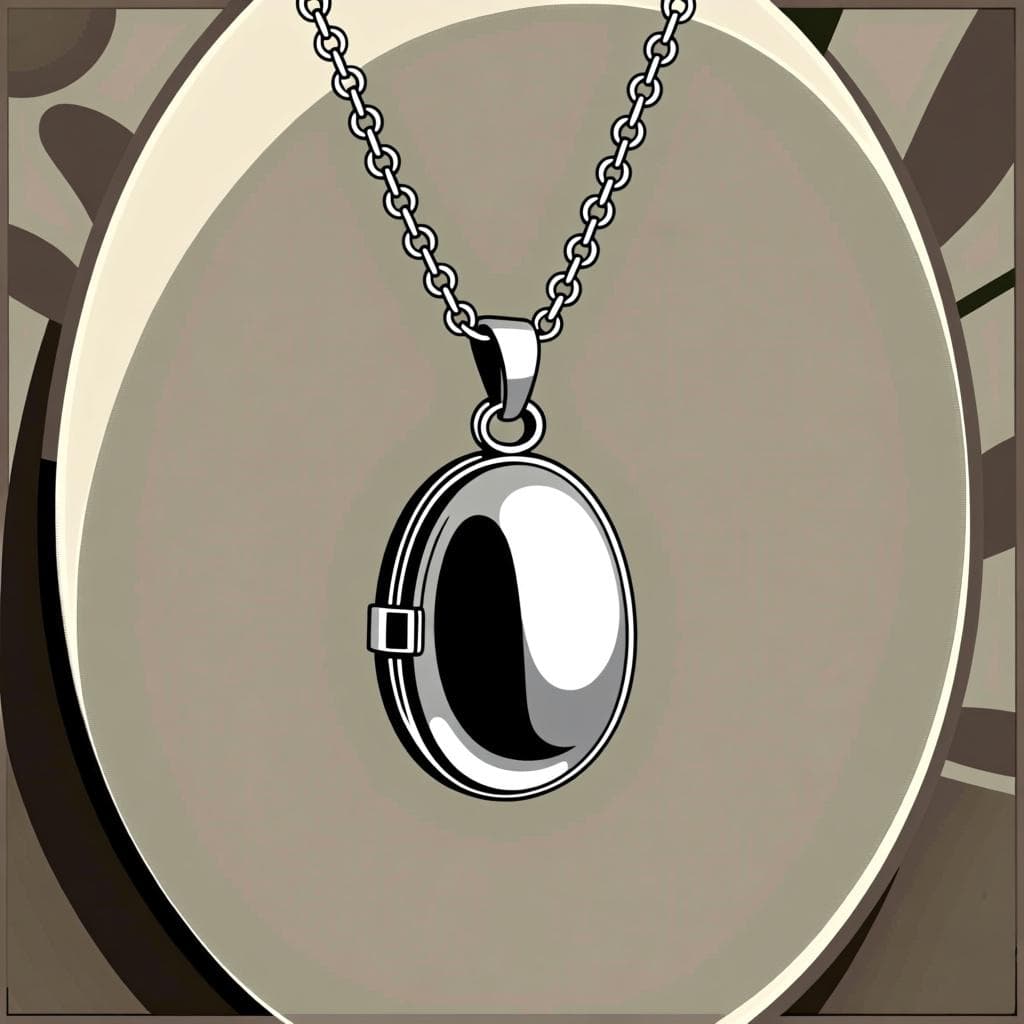

dije
DEE-hehˈdixe
Examples
Compró un dije de plata para su collar.
She bought a silver pendant for her necklace.
El dije tenía una foto pequeña adentro.
The locket had a small photo inside.
Lleva un dije en forma de corazón.
He/She is wearing a heart-shaped pendant.
A Masculine Noun
Even though jewelry is often associated with women, the word 'dije' is masculine. Always use 'el' or 'un' with it, like 'el dije' (the pendant) or 'un dije bonito' (a pretty pendant).
medalla
meh-DAH-yahmeˈða.ʝa

Examples
Llevaba una pequeña medalla con la foto de su abuela.
She wore a small medal with her grandmother's photo.
Ella ganó la medalla de oro en la competencia de natación.
She won the gold medal in the swimming competition.
El militar recibió una medalla por su valentía en la batalla.
The soldier received a medal for his bravery in battle.
Feminine Noun Rule
'Medalla' is always feminine, even though it ends in '-a'. Make sure to use 'la medalla' or 'una medalla'.
Incorrect Gender
Mistake: “El medalla es importante.”
Correction: La medalla es importante. (Remember to use 'la'.)
Dije vs. Medalla for 'Locket'
Learn Spanish with Inklingo
Interactive stories, personalized learning, and more.