How to Say "make yourself" in Spanish
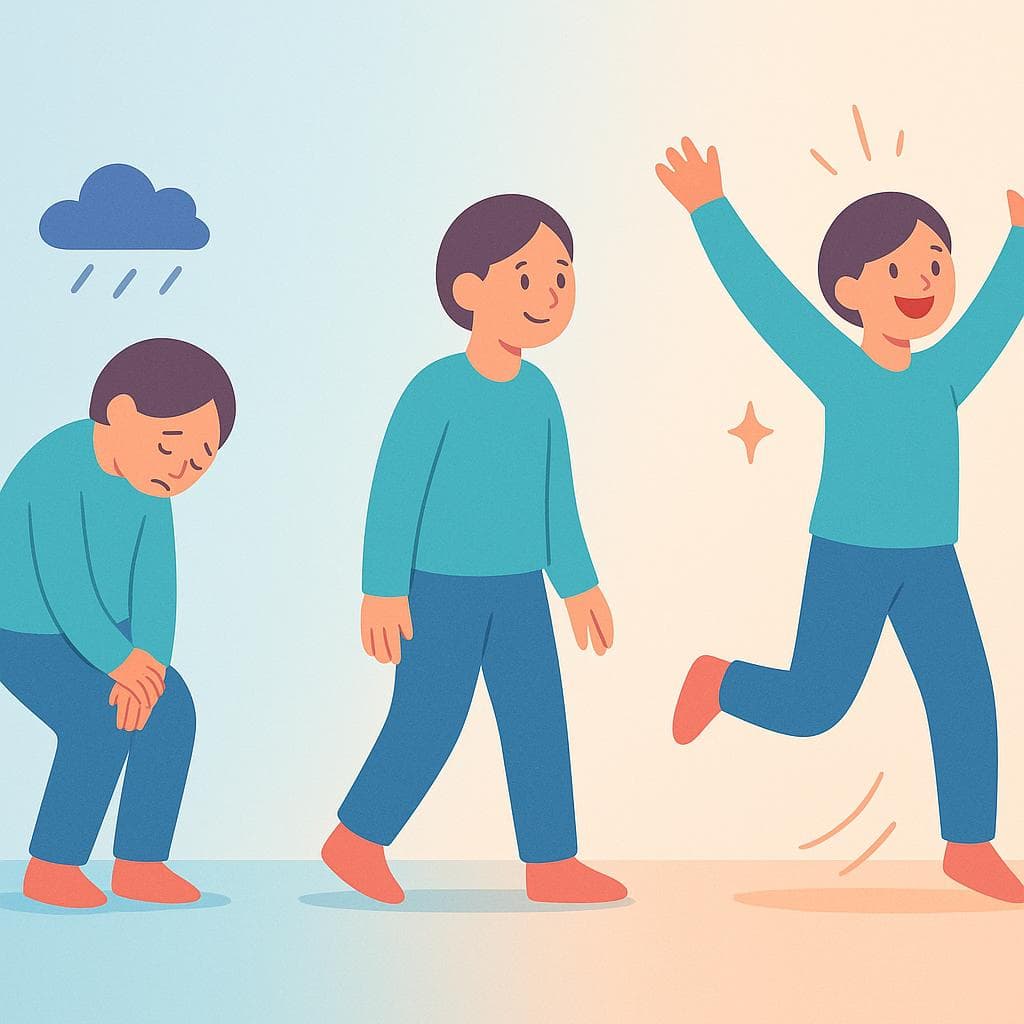
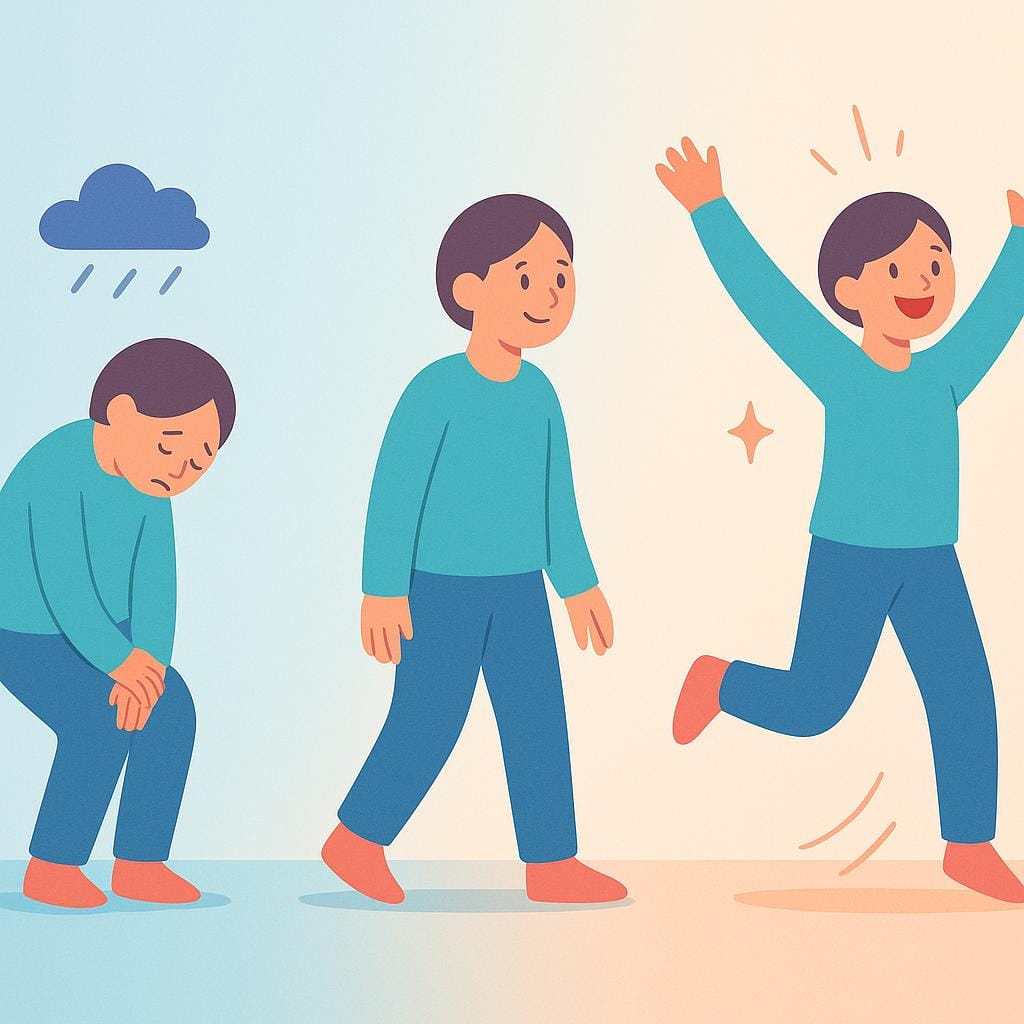
The most common Spanish word for “make yourself” is “ponte” — use 'ponte' when telling someone to adopt a certain state, attitude, or condition, often implying a change from their current one, like 'get serious' or 'make yourself comfortable'.

ponte
POHN-tehˈpon.te
Examples
¡Ponte cómodo, que ahora te explico todo!
Make yourself comfortable, I'll explain everything now!
¡Ponte serio! Esto no es una broma.
Get serious! This is not a joke.
Siéntate y ponte cómodo.
Sit down and make yourself comfortable.
Ya es tarde. Ponte a trabajar.
It's late now. Get to work (Start working).
Ponerse + Adjective
When 'ponerse' is followed by an adjective (like 'serio' or 'triste'), it means 'to become' or 'to get' that way. It usually describes a quick, temporary change.
Ponerse a + Infinitive
The phrase 'Ponte a + a second verb' is a common structure that means 'Start doing' or 'Get down to business'.
Confusing 'ser' and 'estar'
Mistake: “Ponte estar triste (Incorrect use of infinitive)”
Correction: Ponte triste (Correct). The verb 'ponerse' already captures the meaning of 'getting into a state' so you just follow it with the adjective.
hazte
/ahs-teh/ (H is silent)/ˈaθte/ (Spain) or /ˈaste/ (Latin America)

Examples
Si quieres triunfar, tienes que hacerte un nombre en la industria.
If you want to succeed, you have to make yourself a name in the industry.
Si quieres ayudar a la gente, ¡hazte médico!
If you want to help people, become a doctor!
Hazte a un lado, por favor, necesito pasar.
Move aside (make yourself to one side), please, I need to pass.
¡Hazte el valiente! No tengas miedo.
Be brave! (Make yourself the brave one!) Don't be afraid.
The 'Haz' Command
The base command 'haz' (do/make) is highly irregular. It comes from the verb 'hacer' (to do/make), but drops the 'ce' and adds nothing, making it one of the shortest commands.
Attached Pronouns
'Hazte' is the command 'haz' combined with the reflexive pronoun 'te' (you/yourself). In affirmative commands, this pronoun is always attached to the end of the verb.
Hacer vs. Hacerse
'Hacer' means 'to do' or 'to make'. 'Hacerse' means 'to make yourself' or, most commonly, 'to become' (often by a conscious effort or change).
Forgetting the Accent Mark
Mistake: “Hazte (when using it with another pronoun, such as 'házmelo')”
Correction: When adding pronouns to a command, if the original command is short like 'haz', you usually don't need an accent mark unless you add *two* pronouns (e.g., 'házmelo'). For 'hazte', stick to no accent.
Choosing between 'ponte' and 'hazte'
Related Translations
Learn Spanish with Inklingo
Interactive stories, personalized learning, and more.