How to Say "put on" in Spanish
The most common Spanish word for “put on” is “ponte” — use this informal command when telling one person to wear or apply something, like clothing or makeup.


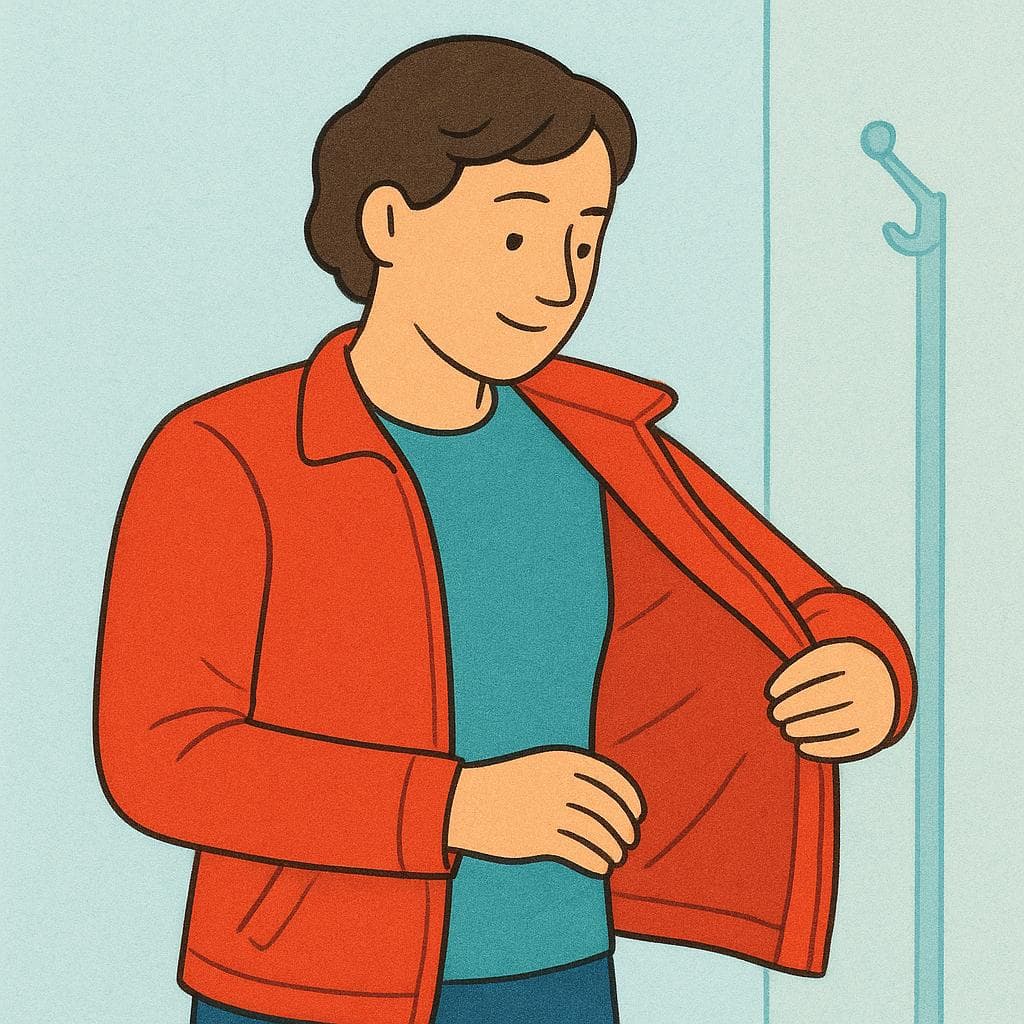
ponte
POHN-tehˈpon.te

Examples
¡Ponte el sombrero antes de salir al sol!
Put on your hat before going out in the sun!
Hace frío afuera. ¡Ponte el abrigo!
It's cold outside. Put on your coat!
Si vas a cocinar, ponte el delantal primero.
If you are going to cook, put on the apron first.
Ponte los zapatos que vamos tarde.
Put on your shoes, we are late.
Imperative Form
"Ponte" is the direct command form for 'you' (tú). It tells someone directly what to do. Remember that the pronoun ('te') is attached to the end of the verb for positive commands.
Irregular Verb Root
The command form 'pon' comes from the irregular verb 'poner'. Always practice 'pon' ('put') and 'ven' ('come') together, as they are part of the irregular command verbs.
Placement of 'te'
Mistake: “Te pon el abrigo (Incorrect)”
Correction: Ponte el abrigo (Correct). In positive commands, the 'te' must attach to the end of the verb, making 'ponte'.
pónganse
POHN-gahn-sehˈpoŋɡanse

Examples
Señores, pónganse sus cascos de seguridad.
Gentlemen, put on your safety helmets.
Pónganse los abrigos antes de salir.
Put on your coats before going out.
Pónganse cómodos, la película va a empezar.
Make yourselves comfortable, the movie is about to start.
Por favor, pónganse en fila.
Please, get in line.
Telling a Group What to Do
This word is used when you are giving a direct order or instruction to a group of people ('you all').
The 'se' Ending
In Spanish, when the action is something people do to themselves (like dressing), the word 'se' attaches to the end of the command.
Missing the Accent Mark
Mistake: “ponganse”
Correction: pónganse
póngase
POHN-gah-sehˈpoŋɡase
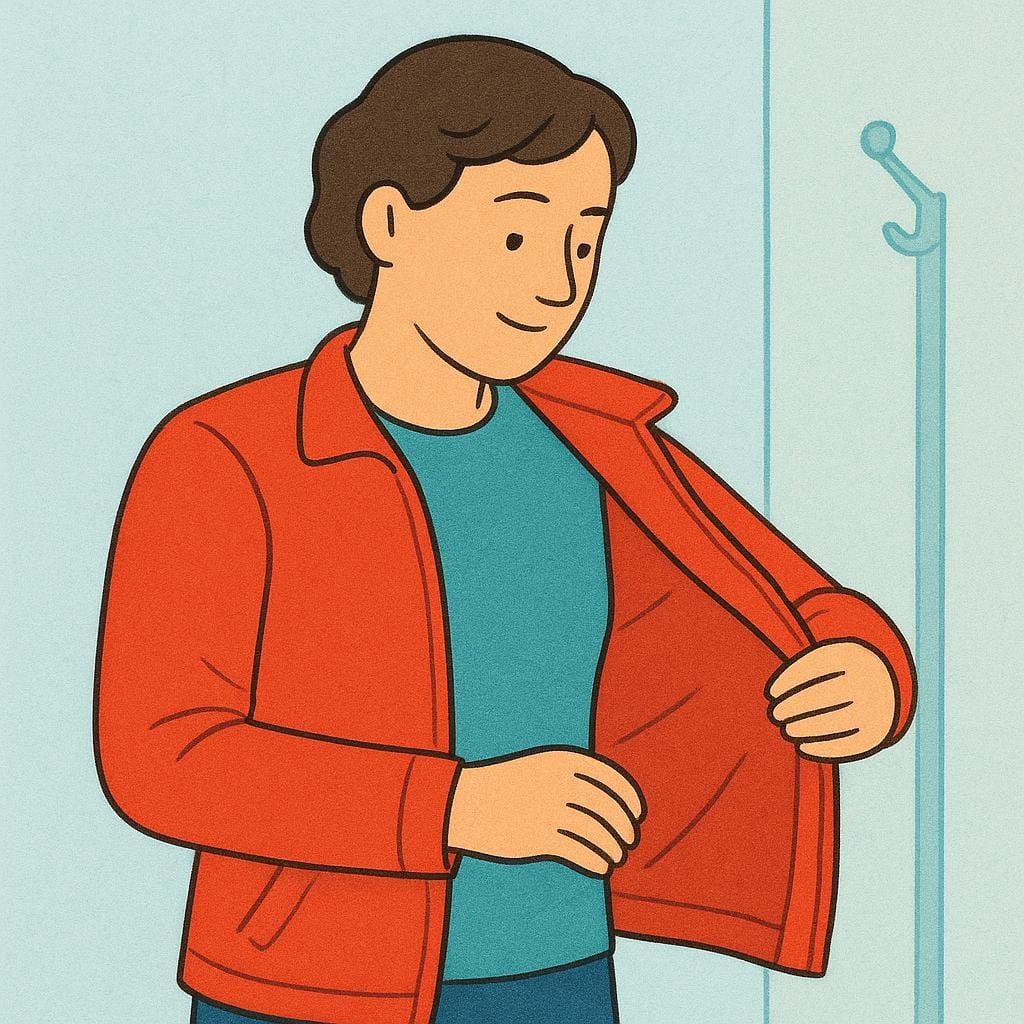
Examples
Por favor, póngase la bata blanca.
Please, put on the white coat.
Doctor, póngase los guantes antes de empezar.
Doctor, put on your gloves before starting.
Si va a salir, póngase un abrigo, hace mucho frío.
If you are going out, put on a coat, it is very cold.
Póngase la mascarilla, por favor, es obligatorio.
Put on your mask, please, it's mandatory.
Formal Command Structure
This is a formal command ('usted' form). The verb part ('ponga') is followed immediately by the pronoun ('se'), which is why it has an accent mark over the 'ó'.
Reflexive Action
Using 'se' indicates that the action (putting on) is done by the person speaking to, and affects them directly (putting the coat on oneself).
Incorrect Pronoun Placement
Mistake: “Se ponga el abrigo.”
Correction: Póngase el abrigo. (Pronouns always attach to affirmative commands.)
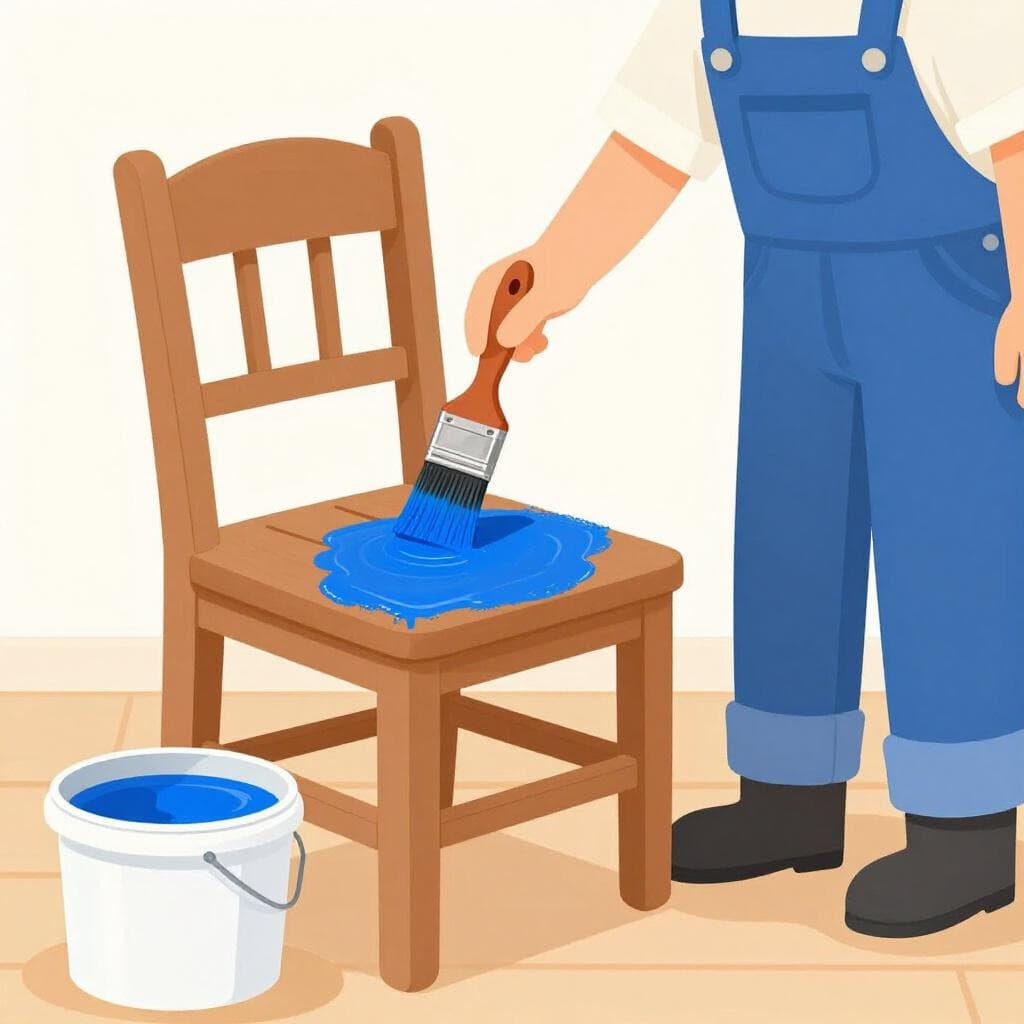
aplicado
ah-plee-KAH-doha.pli.ˈka.ðo
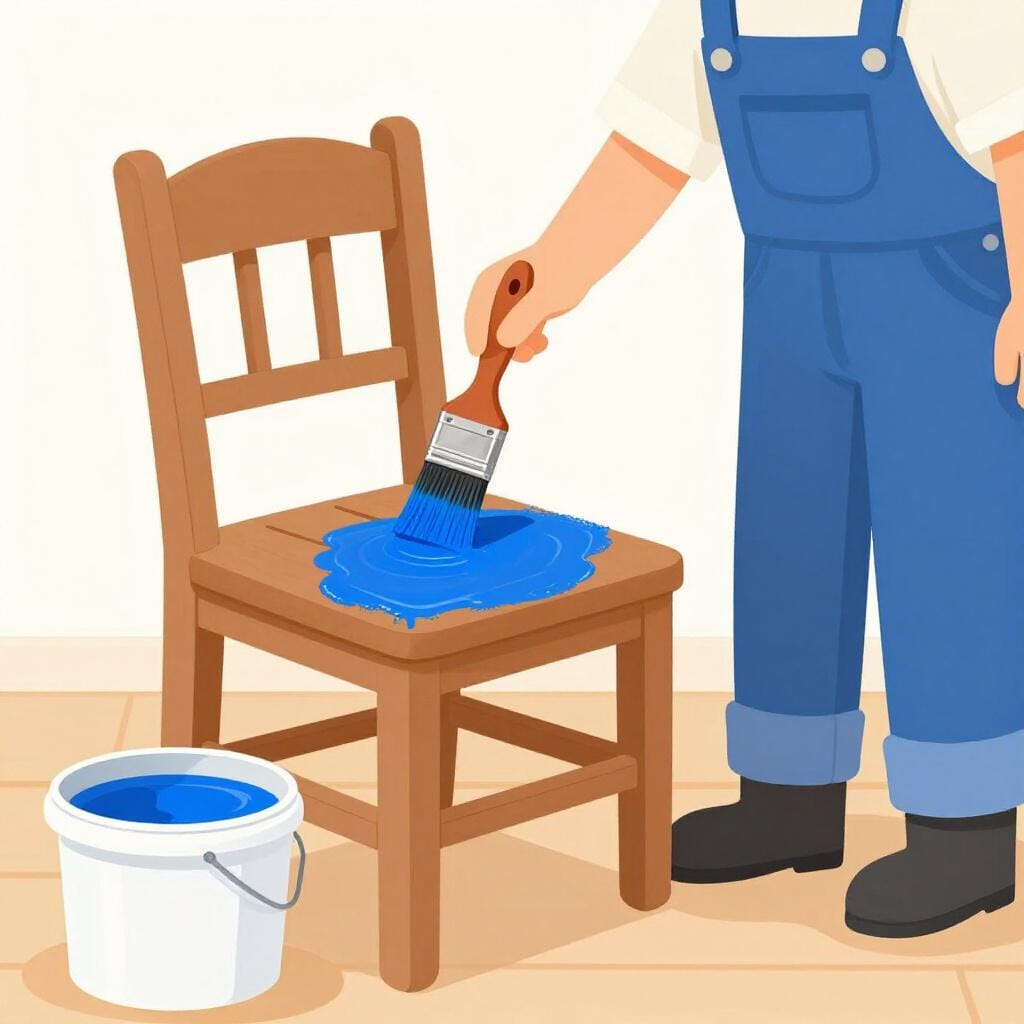
Examples
El ungüento aplicado en la herida ayuda a sanar.
The ointment applied to the wound helps to heal.
Ella quiere estudiar matemáticas aplicadas.
She wants to study applied mathematics.
La lingüística aplicada ayuda a mejorar la enseñanza de idiomas.
Applied linguistics helps improve language teaching.
Una vez aplicado el producto, deje secar por diez minutos.
Once the product is applied, let it dry for ten minutes.
Word Order
In technical titles like 'Applied Sciences,' the word 'aplicadas' always comes after the noun in Spanish (Ciencias aplicadas).
Commands vs. Descriptions
Related Translations
Learn Spanish with Inklingo
Interactive stories, personalized learning, and more.