How to Say "many" in Spanish
The most common Spanish word for “many” is “mucho” — use 'mucho' as an adjective before a noun to mean 'many' for countable items, or as a pronoun to refer to 'many people' or 'many things' in general.

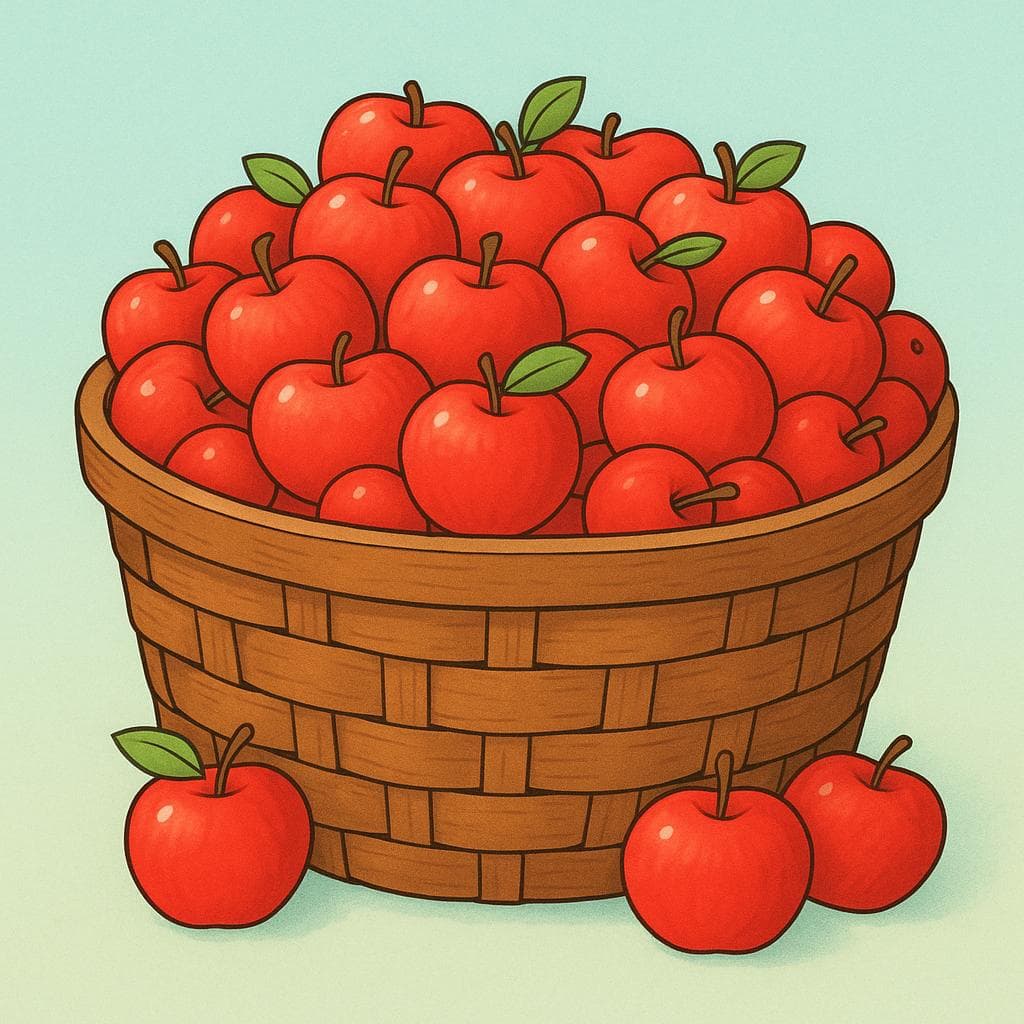

mucho
MOO-chohˈmutʃo

Examples
Tengo muchos amigos.
I have many friends.
Hay mucha gente en la playa.
There are a lot of people on the beach.
Necesito mucho tiempo para terminar.
I need a lot of time to finish.
Muchos no están de acuerdo.
Many do not agree.
Matching the Noun
'Mucho' changes to match the thing it describes. Use 'mucha' for feminine things (mucha gente), 'muchos' for plural masculine things (muchos libros), and 'muchas' for plural feminine things (muchas casas).
Taking the Place of a Noun
Use 'muchos' or 'muchas' to stand in for a noun you just mentioned or that is understood. It must match the gender and number of the noun it's replacing.
Forgetting to Change the Ending
Mistake: “Tengo mucho amigas.”
Correction: Tengo muchas amigas. Because 'amigas' is a feminine and plural word, you need to use 'muchas' to match it.
Using the Singular Form
Mistake: “De los estudiantes, mucho son inteligentes.”
Correction: De los estudiantes, muchos son inteligentes. Since 'estudiantes' is plural, the word replacing it must also be plural ('muchos').
bastantes
bahs-TAHN-tehsbasˈtantes
Examples
Hay bastantes estudiantes en la clase de español hoy.
There are quite a few students in the Spanish class today.
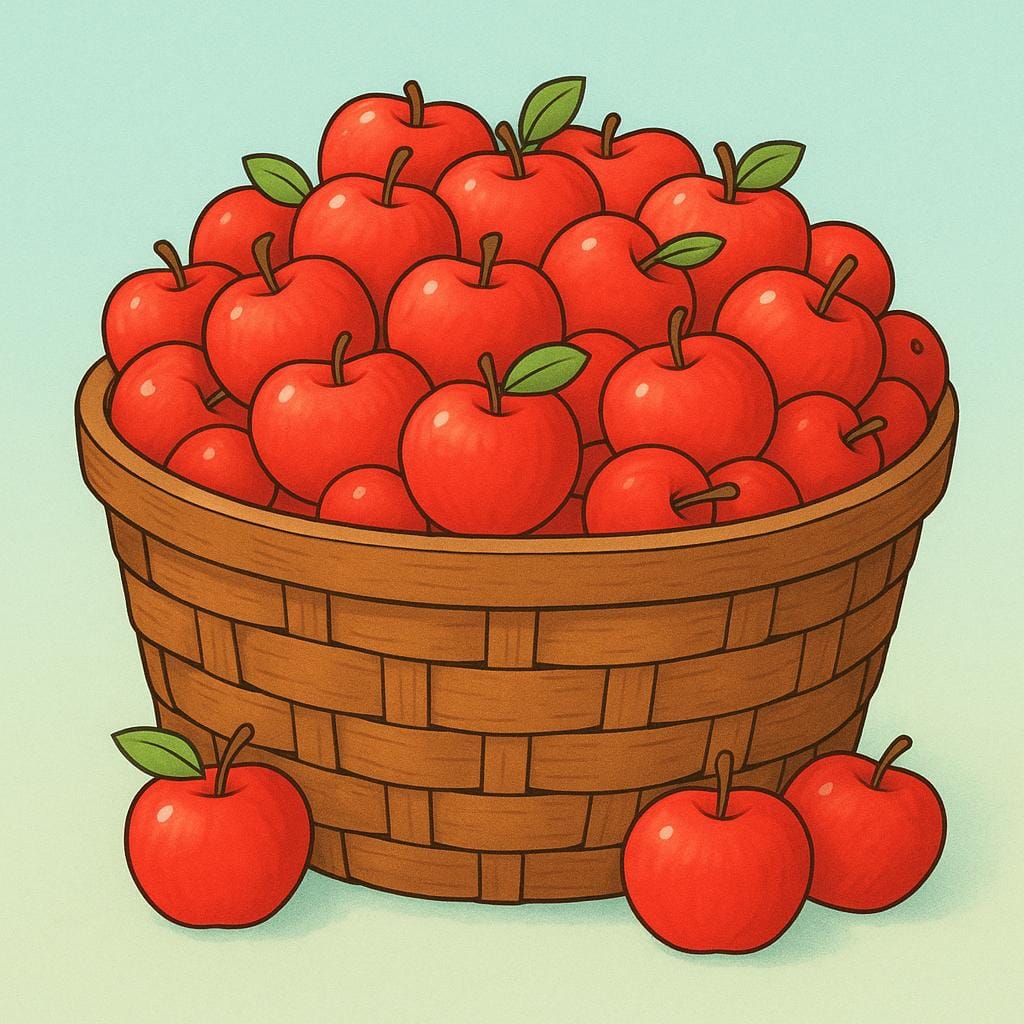
Compré bastantes manzanas para hacer el pastel.
I bought enough apples to make the pie.
¿Tienes bastantes sillas para todos los invitados?
Do you have enough chairs for all the guests?
Always Plural with Nouns
Since you are using 'bastantes' (plural), it must always go with a plural noun (e.g., 'bastantes libros,' not 'bastante libro').
Placement
Like most words that describe quantity, 'bastantes' almost always goes directly before the plural person or thing it describes.
Confusing 'Bastante' and 'Bastantes'
Mistake: “Hicimos bastante errores.”
Correction: Hicimos bastantes errores. (Since 'errores' is plural, the word describing the quantity must also be plural.)
numeroso
noo-meh-RO-sonu.meˈɾo.so

Examples
Tengo una familia muy numerosa; tengo cinco hermanos.
I have a very large family; I have five siblings.
Un grupo numeroso de personas esperaba en la puerta.
A large group of people was waiting at the door.
Existen numerosos estudios sobre este tema.
There are numerous studies on this topic.
Matching the Noun
This word must change its ending to match what you are describing. Use 'numeroso' for one male thing, 'numerosa' for one female thing, 'numerosos' for multiple male things, and 'numerosas' for multiple female things.
Where to put the word
You can put 'numeroso' before or after the noun. Placing it before (e.g., 'numerosos amigos') sounds a bit more formal or poetic, while placing it after (e.g., 'amigos numerosos') is standard.
Large vs. Numerous
Mistake: “Using 'grande' when you mean 'numerosa' for a family.”
Correction: While 'familia grande' is understood, the official and more natural term in Spanish for a family with many members is 'familia numerosa'.
múltiple
Examples
El examen tiene preguntas de opción múltiple.
The exam has multiple-choice questions.
Confusing 'mucho' with other words
Learn Spanish with Inklingo
Interactive stories, personalized learning, and more.