How to Say "maze" in Spanish
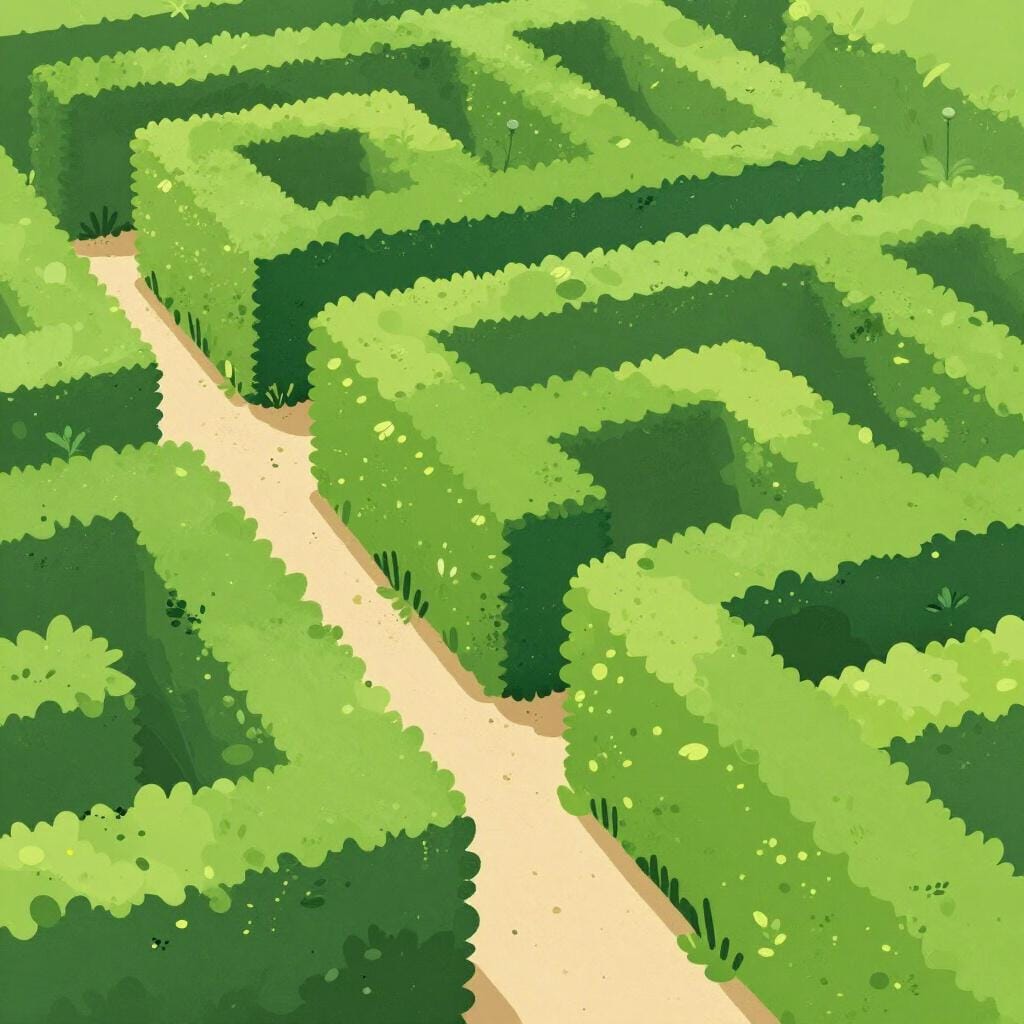
The most common Spanish word for “maze” is “laberinto” — use 'laberinto' when referring to a literal maze, such as one found in a garden, park, or as a puzzle.
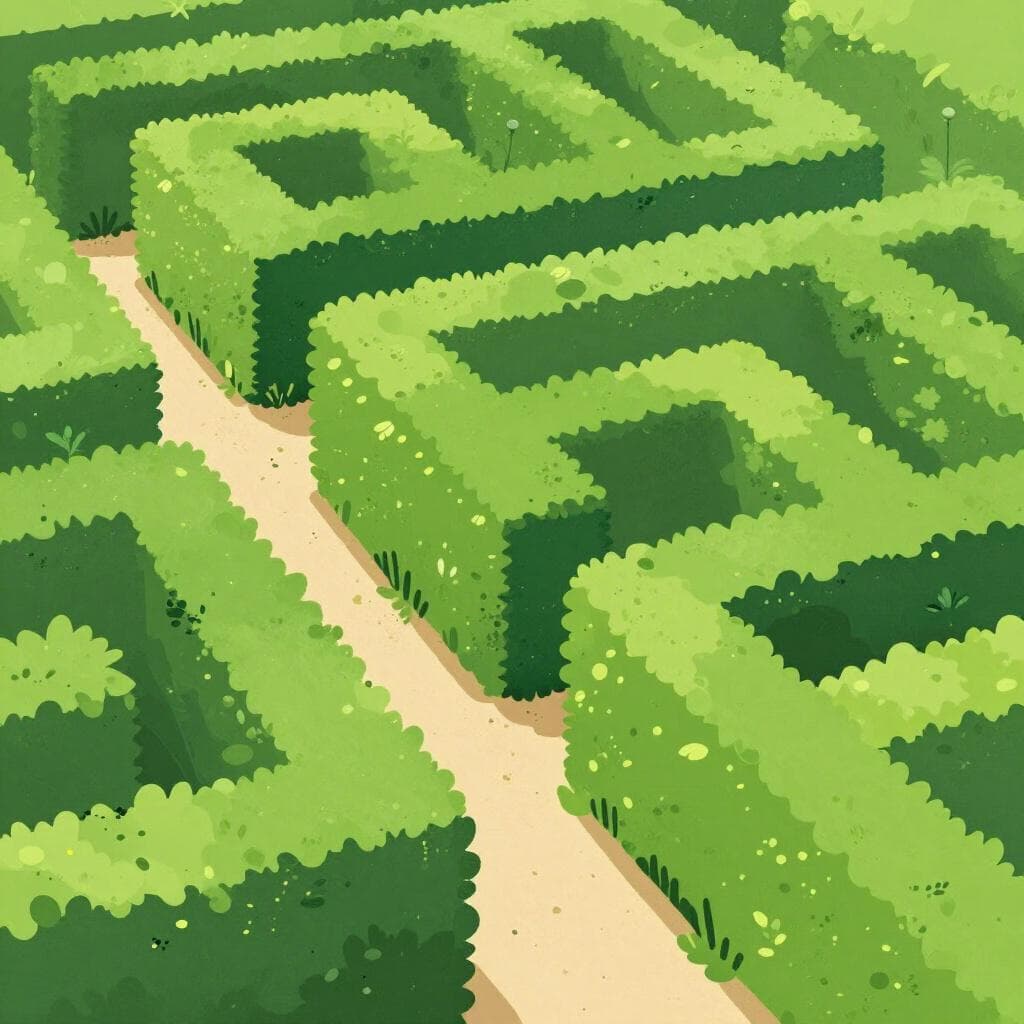

laberinto
lah-beh-REEN-tohlaβeˈɾinto
Examples
Nos perdimos en el laberinto del jardín botánico.
We got lost in the botanical garden's maze.
Los niños se divirtieron mucho en el laberinto del parque.
The children had a lot of fun in the park's maze.
Según el mito, el Minotauro vivía en un laberinto.
According to the myth, the Minotaur lived in a labyrinth.
Gender Tip
Even though it sounds like a complex word, it follows the standard rule: words ending in -o are almost always masculine, so you use 'el' or 'un'.
Pronunciation of the 'r'
Mistake: “Pronouncing it like the English 'r'.”
Correction: In 'laberinto', the 'r' is a single tap of the tongue against the roof of the mouth, similar to the 'dd' in the English word 'ladder'.
selva
sel-vahˈselβa

Examples
El tráfico en la ciudad era una verdadera selva.
The traffic in the city was a real jungle.
La ciudad se convirtió en una selva de cemento donde solo sobreviven los más fuertes.
The city turned into a concrete jungle where only the strongest survive.
El mercado financiero es una selva; hay que tener cuidado con las inversiones.
The financial market is a jungle; you have to be careful with investments.
Figurative Use
This meaning uses 'selva' to compare a difficult situation (like a competitive office or a big city) to a literal jungle.
Physical Maze vs. Chaotic Situation
Related Translations
Learn Spanish with Inklingo
Interactive stories, personalized learning, and more.