How to Say "woods" in Spanish
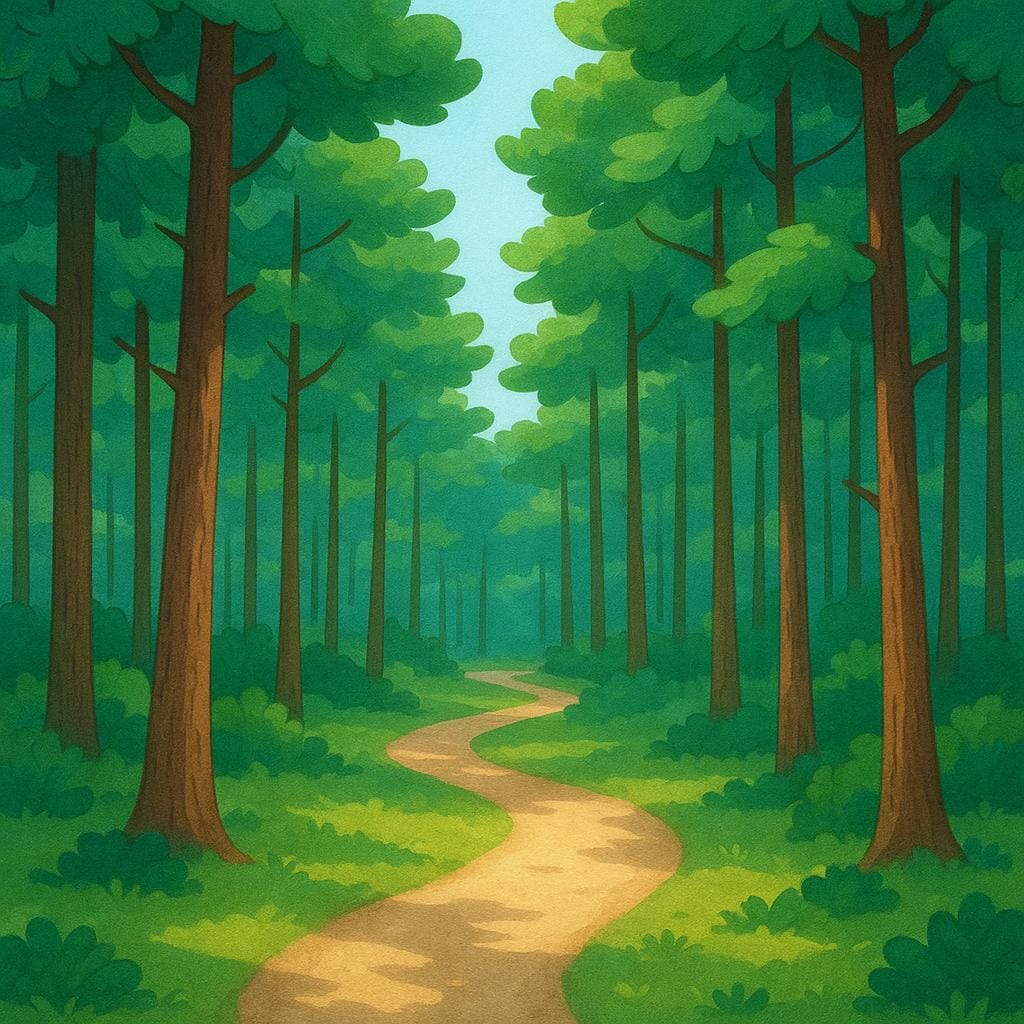
The most common Spanish word for “woods” is “bosque” — use 'bosque' for a general area of trees, similar to 'forest' or 'woods' in English, suitable for activities like hiking.
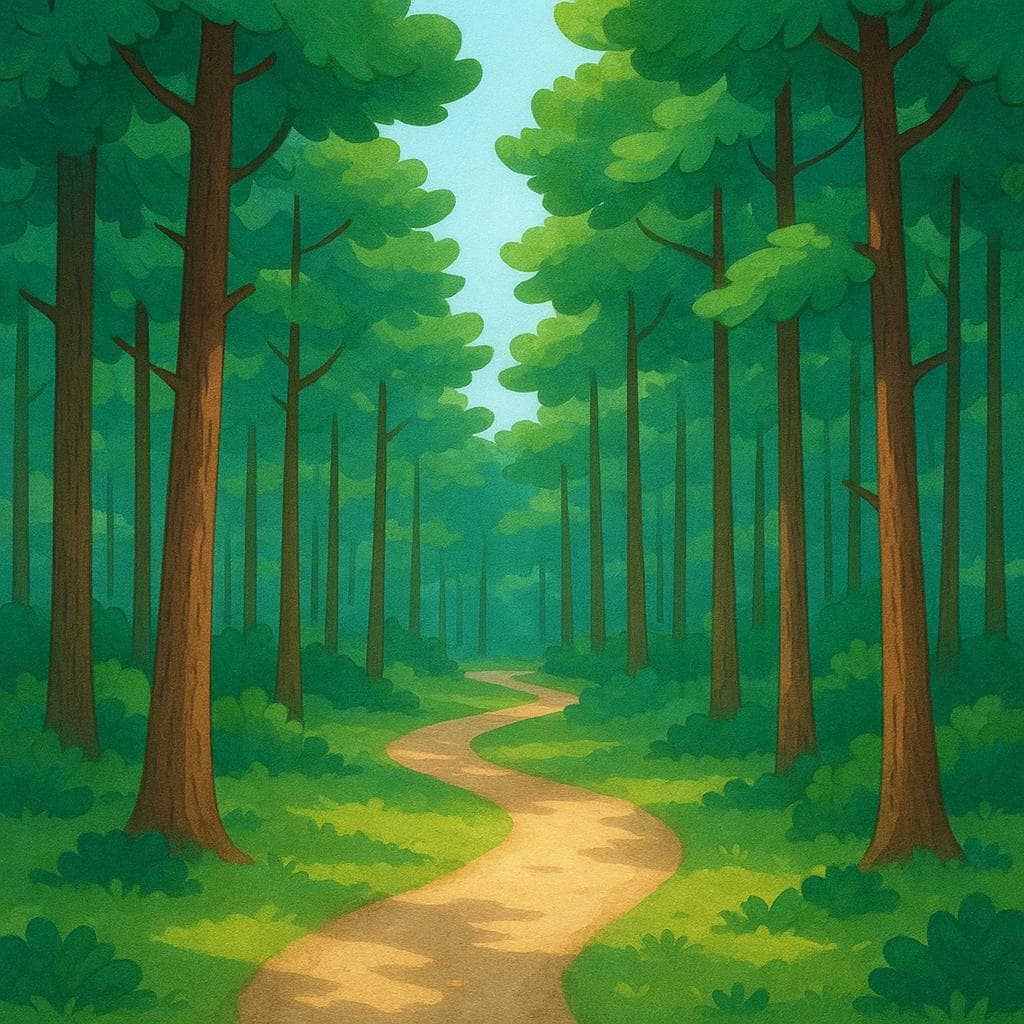

bosque
BOHS-kehˈboske
Examples
Fuimos de excursión al bosque el fin de semana.
We went hiking in the forest this weekend.
El bosque estaba muy oscuro después del anochecer.
The woods were very dark after nightfall.
Los animales del bosque tienen mucho espacio para correr.
The forest animals have a lot of space to run.
Gender Rule
Since 'bosque' ends in -e, you need to memorize its gender: it is masculine. Always use the masculine article, 'el bosque' (the forest) or 'un bosque' (a forest).
Using the Wrong Article
Mistake: “La bosque.”
Correction: El bosque. Even though some -e ending words are feminine, this one is masculine.
selva
sel-vahˈselβa

Examples
La selva amazónica es el pulmón del planeta.
The Amazon rainforest is the lung of the planet.
Tuvimos que abrirnos camino con un machete a través de la densa selva.
We had to cut our way through the dense jungle with a machete.
En la selva viven miles de especies de animales que no se encuentran en ningún otro lugar.
Thousands of animal species that are not found anywhere else live in the rainforest.
Gender Check
Remember that 'selva' is always feminine, so you must use 'la selva' or 'una selva'.
Selva vs. Bosque
Mistake: “Using 'bosque' for the Amazon.”
Correction: 'Selva' specifically refers to a very dense, usually tropical, rainforest. 'Bosque' is a general term for any forest or woods (like a temperate forest).
Bosque vs. Selva
Related Translations
Learn Spanish with Inklingo
Interactive stories, personalized learning, and more.