How to Say "minister" in Spanish
The most common Spanish word for “minister” is “ministro” — use 'ministro' for a high-ranking government official, such as a cabinet member responsible for a specific department.




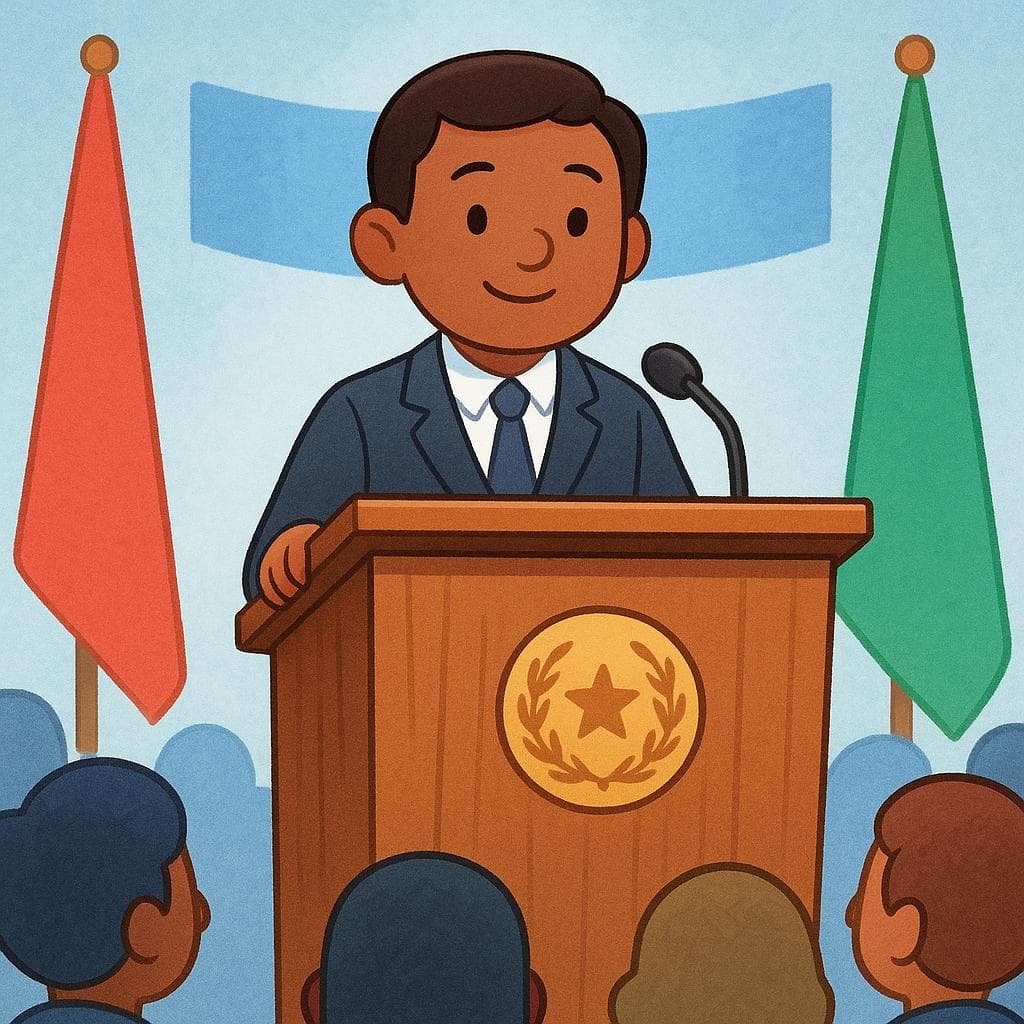
ministro
mi-NEES-tromiˈnistɾo

Examples
El ministro de Educación presentó el nuevo plan de estudios.
The Minister of Education presented the new curriculum.
El ministro de Sanidad anunció nuevas medidas sanitarias.
The Minister of Health announced new health measures.
El presidente se reunió con todos los ministros para discutir el presupuesto.
The president met with all the ministers to discuss the budget.
Mi tío trabajó como ministro de Hacienda hace muchos años.
My uncle worked as the Secretary of the Treasury many years ago.
Gender and Plural
Since 'ministro' ends in -o, it is masculine. To talk about a female minister, you change the ending: 'la ministra'.
False Cognate Alert
Mistake: “Using 'ministro' to mean a low-level assistant or administrator (which is 'asistente' or 'administrador').”
Correction: In Spanish, 'ministro' always refers to a very high-level government position, never a simple assistant.
pastor
pas-TORpasˈtoɾ

Examples
El pastor de la iglesia dio la bienvenida a los nuevos miembros.
The pastor of the church welcomed the new members.
El pastor de la iglesia local nos visitó en casa.
The minister of the local church visited us at home.
El pastor dio un mensaje de esperanza a la congregación.
The pastor gave a message of hope to the congregation.
Metaphorical Origin
This meaning is an extension of the first. A religious leader is seen as a 'shepherd' who guides and cares for their 'flock' (the people in the congregation).
sacerdote
sa-ser-DOH-tehsaθeɾˈdo.te

Examples
El sacerdote celebró la misa dominical.
The priest celebrated the Sunday mass.
El sacerdote ofició la boda en la iglesia principal.
The priest officiated the wedding in the main church.
Necesito hablar con un sacerdote sobre mis preocupaciones.
I need to speak with a priest about my concerns.
La comunidad se reunió para escuchar el sermón del joven sacerdote recién ordenado.
The community gathered to hear the sermon of the recently ordained young priest.
Masculine Noun Rule
Even though this word ends in '-e', it is always masculine. Use 'el' or 'un' before it: 'el sacerdote'.
Confusing Gender
Mistake: “La sacerdote visitó el hospital.”
Correction: El sacerdote visitó el hospital. (If referring to a male priest, the noun remains masculine.)
reverendo
reh-veh-REN-dohreβeˈɾendo

Examples
El reverendo habló sobre la importancia de la fe.
The reverend spoke about the importance of faith.
El reverendo dio un sermón sobre la caridad.
The reverend gave a sermon about charity.
Hablé con el reverendo sobre mis dudas de fe.
I spoke with the clergyman about my doubts regarding faith.
Title vs. Noun
When used as a noun (meaning 'the person'), you always need an article (like 'el' or 'un') before it, just like saying 'the doctor' or 'a teacher'.
Gender Agreement
Mistake: “La reverendo ofició la boda.”
Correction: La reverenda ofició la boda. (If referring to a female minister, the noun must be feminine: 'la reverenda'.)
secretario
se-kreh-TAH-ryosekɾeˈtaɾjo

Examples
La Secretaria de Economía anunció medidas para impulsar el comercio.
The Secretary of the Economy announced measures to boost trade.
El Secretario de Hacienda presentó el nuevo presupuesto nacional.
The Minister of Finance presented the new national budget.
Viajó a Washington para reunirse con el Secretario de Estado.
He traveled to Washington to meet with the Secretary of State.
Formal Titles
When referring to a specific, high-level government position (like 'Secretario de Defensa'), it is often capitalized in Spanish, just like in English.
ministro
mi-NEES-tromiˈnistɾo
Examples
El ministro de la iglesia dirigió el servicio.
The minister of the church led the service.
El ministro de Sanidad anunció nuevas medidas sanitarias.
The Minister of Health announced new health measures.
El presidente se reunió con todos los ministros para discutir el presupuesto.
The president met with all the ministers to discuss the budget.
Mi tío trabajó como ministro de Hacienda hace muchos años.
My uncle worked as the Secretary of the Treasury many years ago.
Gender and Plural
Since 'ministro' ends in -o, it is masculine. To talk about a female minister, you change the ending: 'la ministra'.
False Cognate Alert
Mistake: “Using 'ministro' to mean a low-level assistant or administrator (which is 'asistente' or 'administrador').”
Correction: In Spanish, 'ministro' always refers to a very high-level government position, never a simple assistant.
Government vs. Religious Roles
Related Translations
Learn Spanish with Inklingo
Interactive stories, personalized learning, and more.