How to Say "clergyman" in Spanish
The most common Spanish word for “clergyman” is “sacerdote” — use this term for a general male religious leader, especially within the Catholic or Orthodox traditions, or as a neutral term when the specific denomination is unknown.
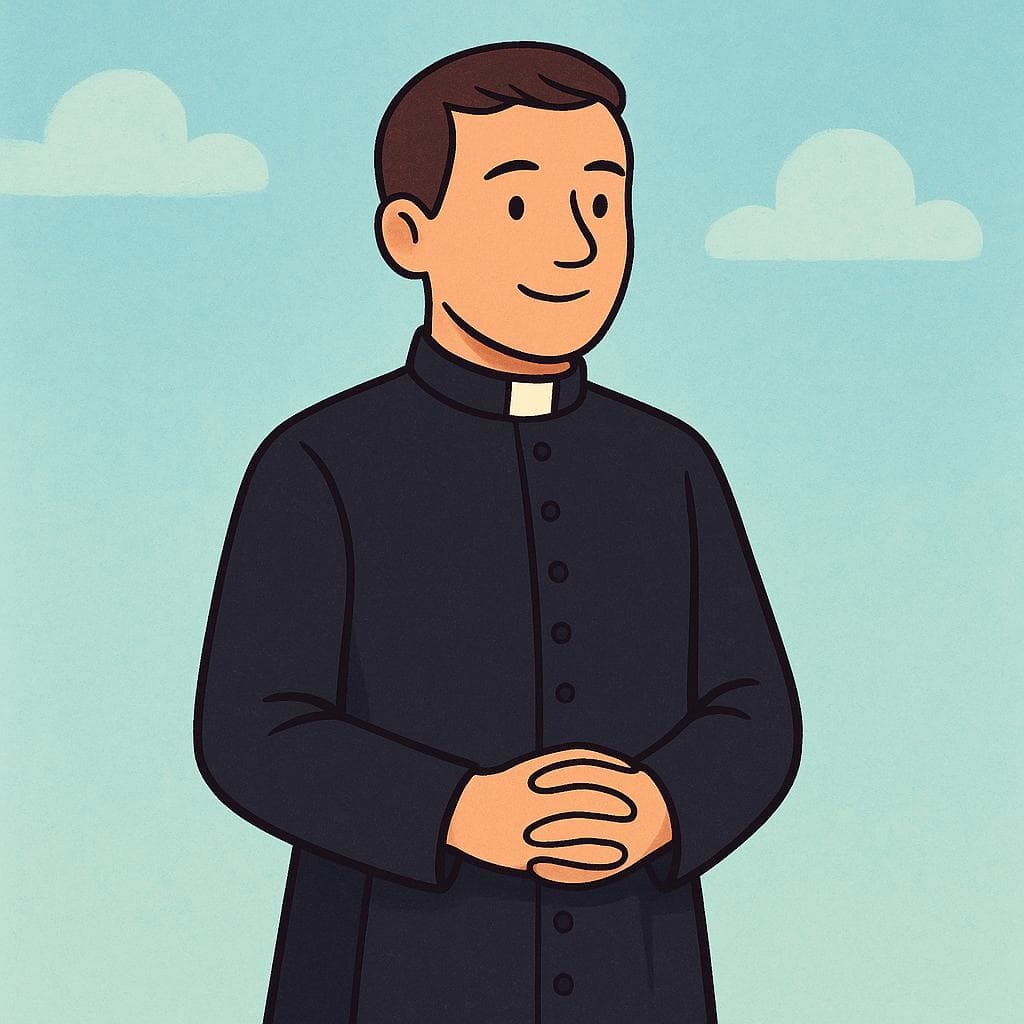
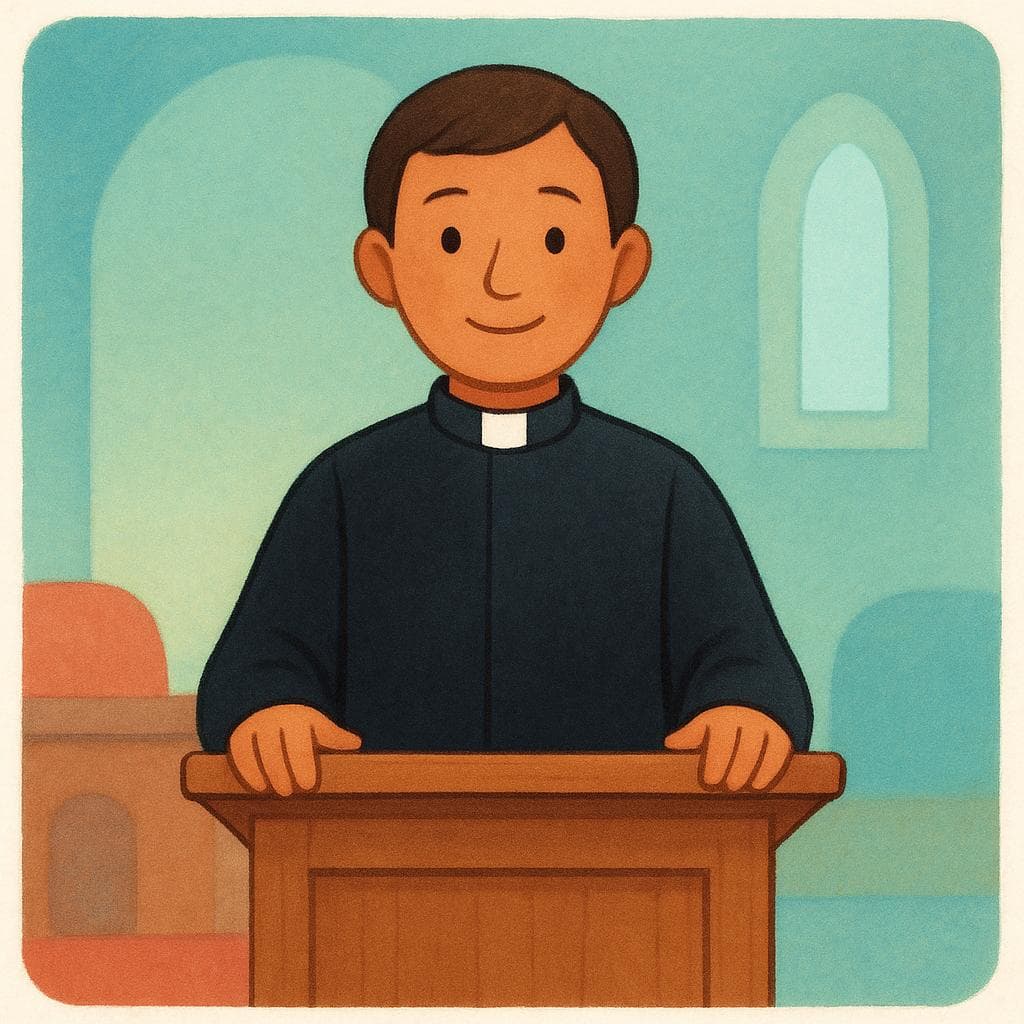
sacerdote
sa-ser-DOH-tehsaθeɾˈdo.te
Examples
El sacerdote ofició la boda en la iglesia principal.
The priest officiated the wedding in the main church.
Necesito hablar con un sacerdote sobre mis preocupaciones.
I need to speak with a priest about my concerns.
La comunidad se reunió para escuchar el sermón del joven sacerdote recién ordenado.
The community gathered to hear the sermon of the recently ordained young priest.
Masculine Noun Rule
Even though this word ends in '-e', it is always masculine. Use 'el' or 'un' before it: 'el sacerdote'.
Confusing Gender
Mistake: “La sacerdote visitó el hospital.”
Correction: El sacerdote visitó el hospital. (If referring to a male priest, the noun remains masculine.)
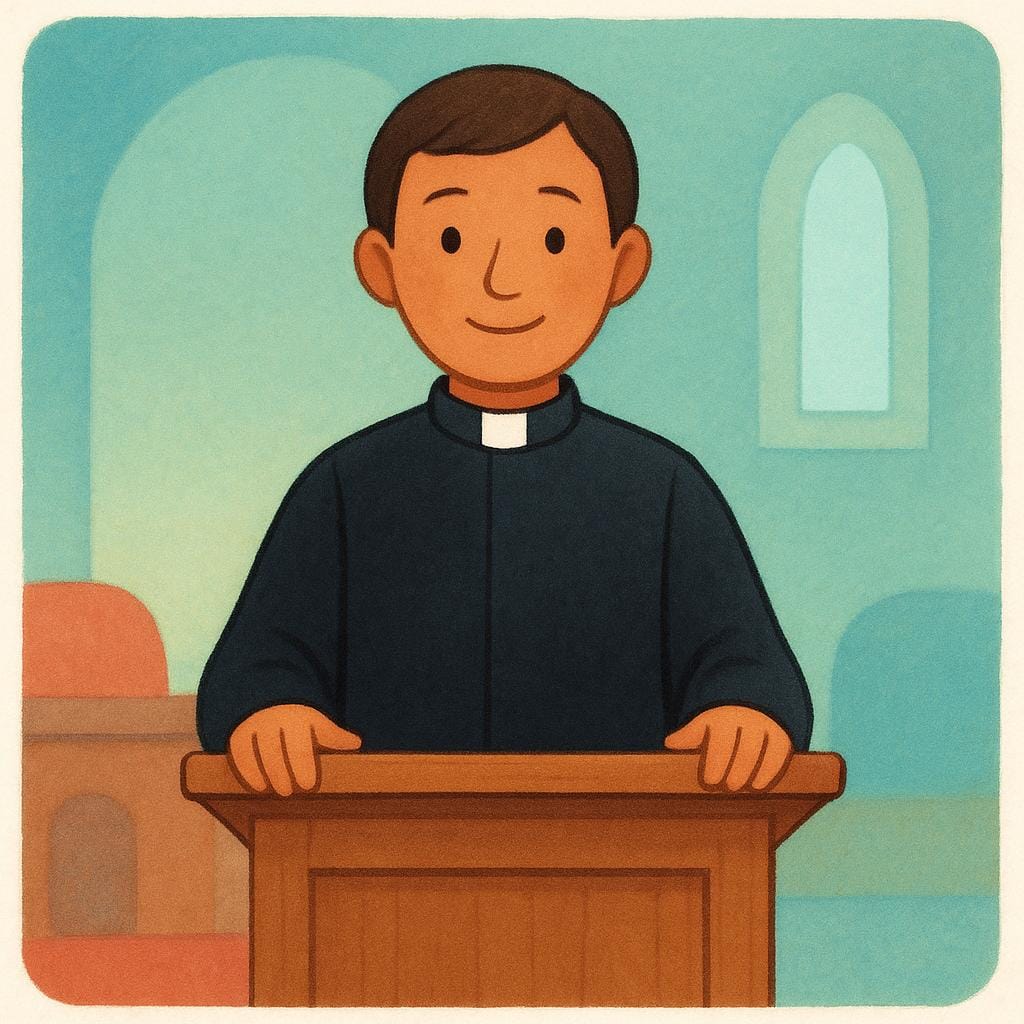
ministro
mi-NEES-tromiˈnistɾo
Examples
El ministro ofició la ceremonia de bautismo el domingo pasado.
The minister officiated the baptism ceremony last Sunday.
La comunidad agradeció al ministro por su apoyo espiritual.
The community thanked the minister for his spiritual support.
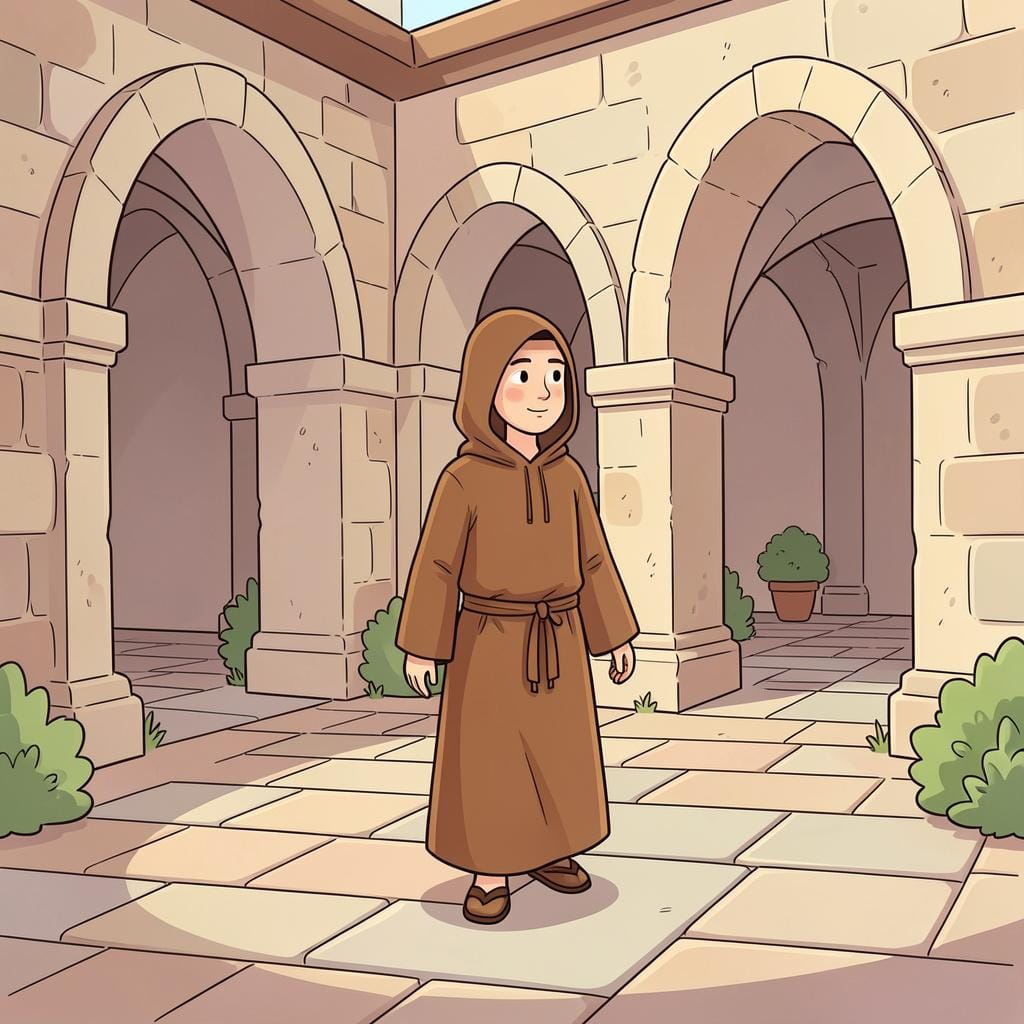
religioso
reh-lee-hee-OH-sohre.liˈxjo.so
Examples
El religioso dedicó su vida a ayudar a los pobres.
The monk dedicated his life to helping the poor.
eclesiástico
Examples
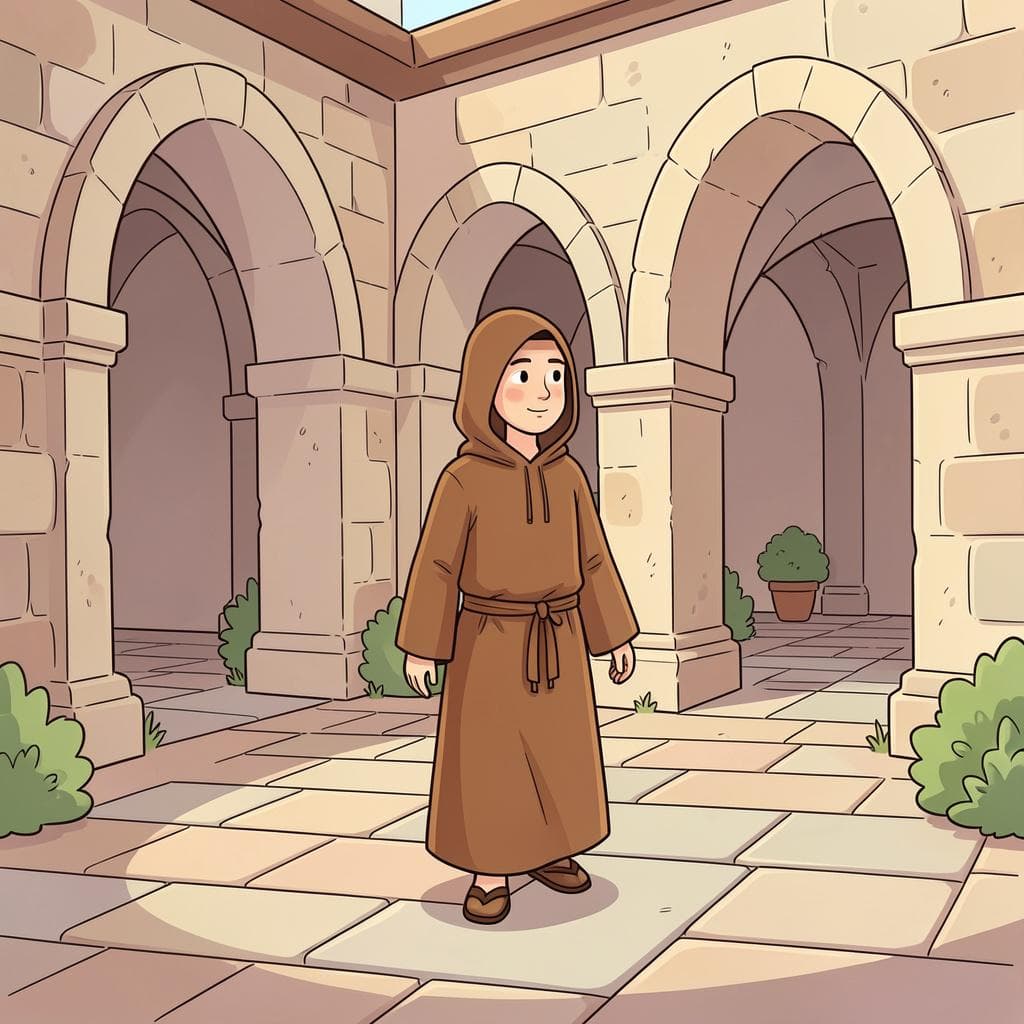
El eclesiástico caminaba lentamente por el claustro.
The clergyman walked slowly through the cloister.
Sacerdote vs. Ministro
Related Translations
Learn Spanish with Inklingo
Interactive stories, personalized learning, and more.