How to Say "friar" in Spanish
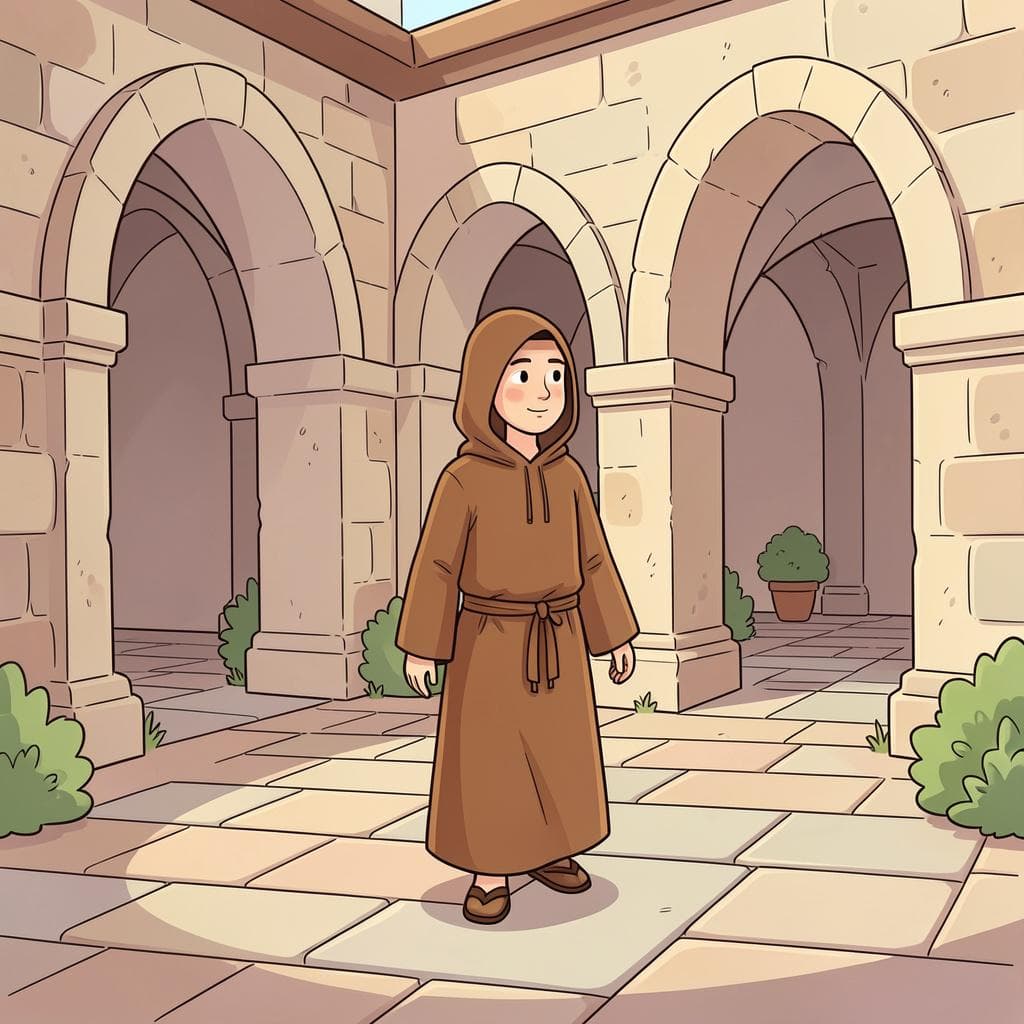
The most common Spanish word for “friar” is “fraile” — use 'fraile' for a general member of a religious order, especially one active within a community.



fraile
fry-lehˈfɾajle

Examples
El fraile ayudaba a las personas enfermas del pueblo.
The friar helped the sick people of the town.
Vimos a un fraile caminando por el antiguo convento.
We saw a friar walking through the old friary.
El fraile vestía una túnica de color marrón.
The friar wore a brown robe.
Always Masculine
Because the word refers to a male member of a religious order, it is always masculine. You use 'el' or 'un' with it.
Plural Form
To talk about more than one, simply add an 's' to the end: 'los frailes'.
Fraile vs. Monje
Mistake: “Using 'fraile' for a monk living in total isolation.”
Correction: Strictly speaking, a 'fraile' works within the community, while a 'monje' lives in a secluded monastery. However, in casual talk, many people use them interchangeably.
monje
MON-hehˈmoŋxe

Examples
El monje dedica su vida a la oración y el silencio.
The monk dedicates his life to prayer and silence.
Vimos a un monje budista caminando por el templo.
We saw a Buddhist monk walking through the temple.
En la Edad Media, los monjes escribían libros a mano.
In the Middle Ages, monks used to write books by hand.
Gender and religious roles
Spanish uses 'monje' for a man. If you are talking about a woman, you must use the word 'monja' (nun).
Monje vs. Cura
Mistake: “Using 'monje' to describe a local priest.”
Correction: Use 'cura' or 'sacerdote' for a priest who works in a parish church. A 'monje' usually lives in a monastery.
religioso
reh-lee-hee-OH-sohre.liˈxjo.so
Examples
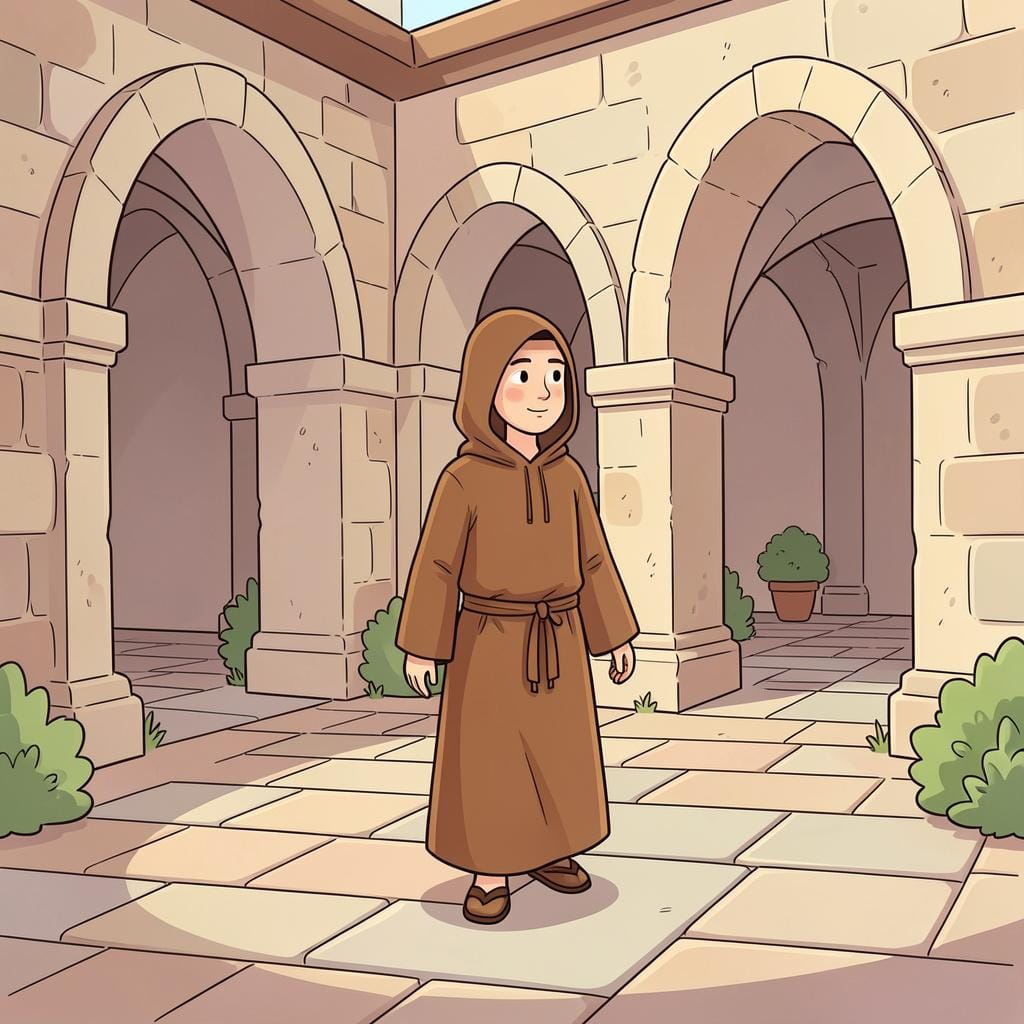
El religioso dedicó su vida a ayudar a los pobres.
The monk dedicated his life to helping the poor.
fray
f-ryefɾai

Examples
Fray Bartolomé de las Casas fue un defensor de los derechos humanos.
Friar Bartolomé de las Casas was a defender of human rights.
¿Conoces la historia de fray Junípero Serra?
Do you know the story of Brother Junípero Serra?
El cuadro muestra a fray Luis de León escribiendo en su celda.
The painting shows Friar Luis de León writing in his cell.
A Special Title
'Fray' is a shortened version of the word 'fraile' (friar). You only use 'fray' when it is immediately followed by a person's first name.
Always Masculine
This word refers specifically to men in religious orders, so it is always masculine.
Don't use it alone
Mistake: “El fray caminaba por el jardín.”
Correction: El fraile caminaba por el jardín.
General vs. Specific Usage
Related Translations
Learn Spanish with Inklingo
Interactive stories, personalized learning, and more.