How to Say "priest" in Spanish
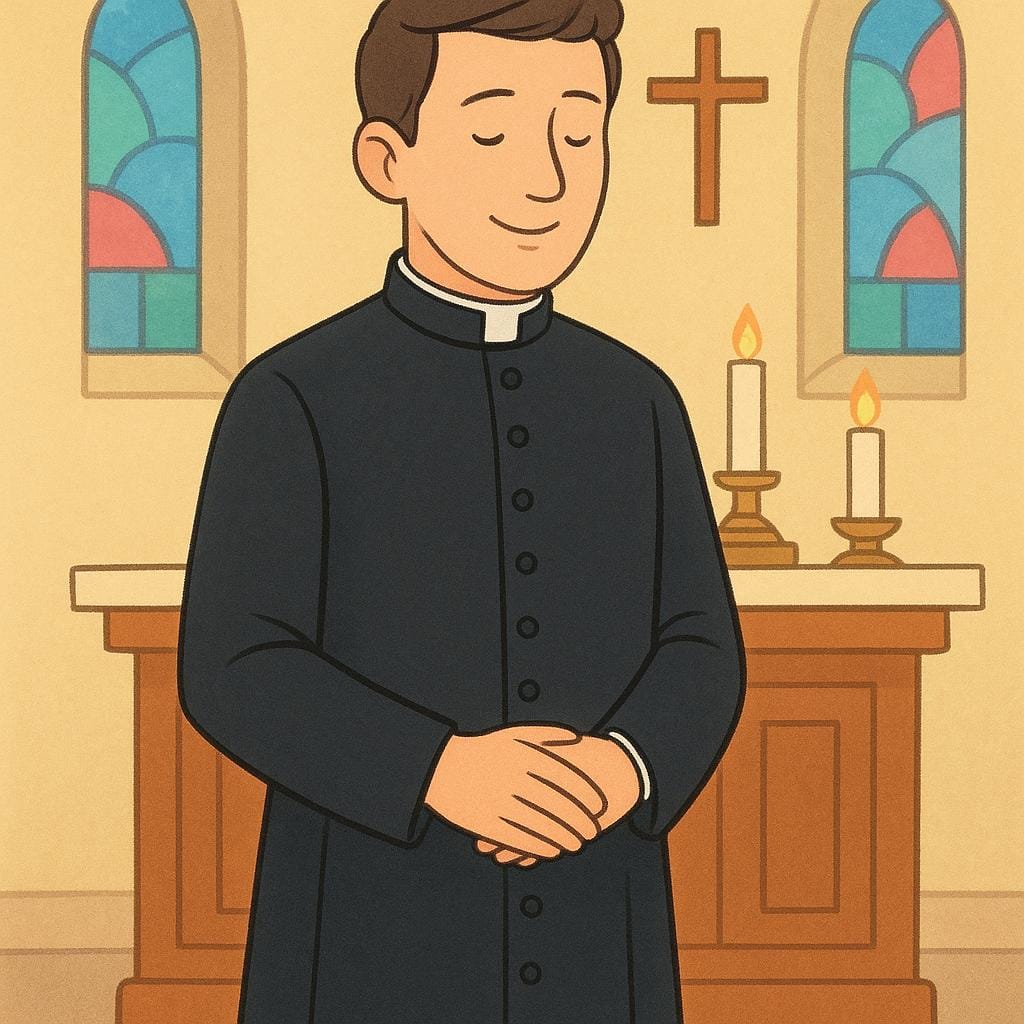
The most common Spanish word for “priest” is “cura” — use 'cura' for a general, everyday term for a Catholic priest, often implying a local or parish priest.
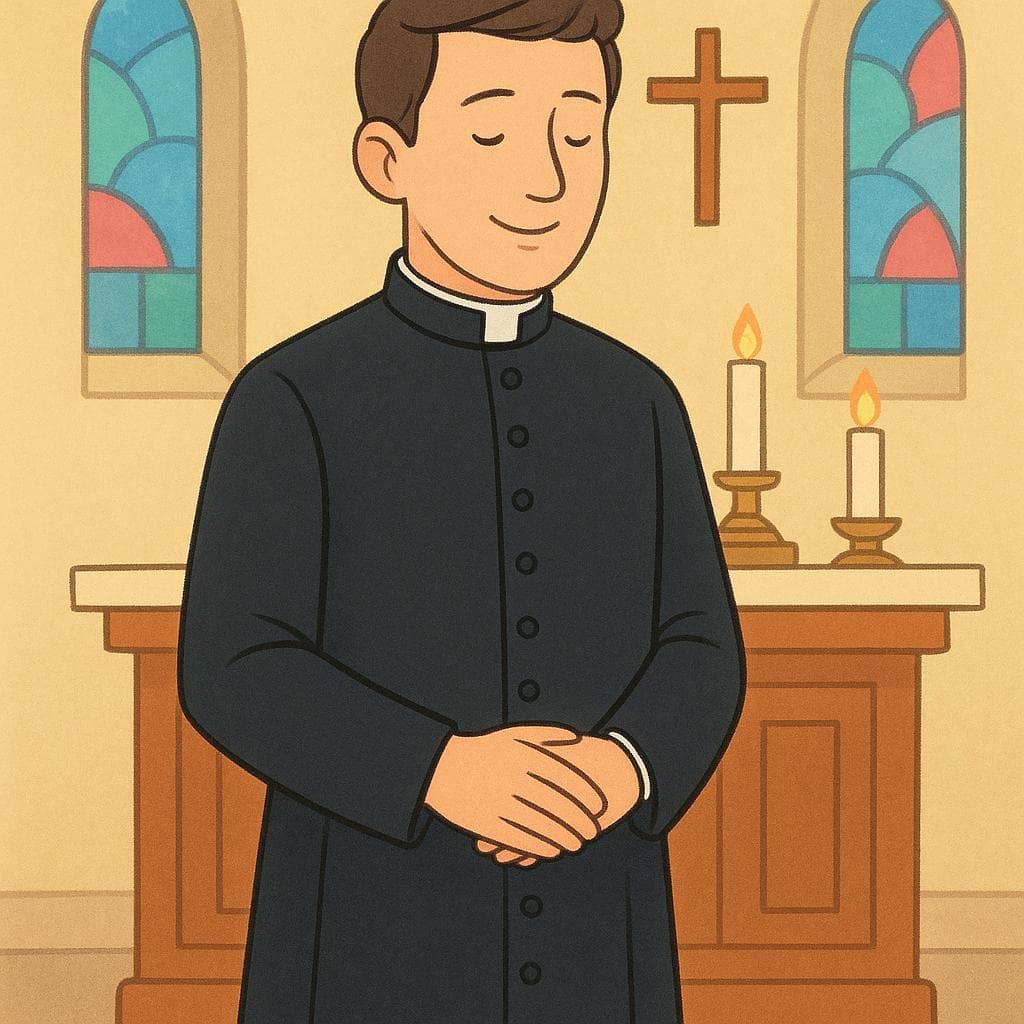

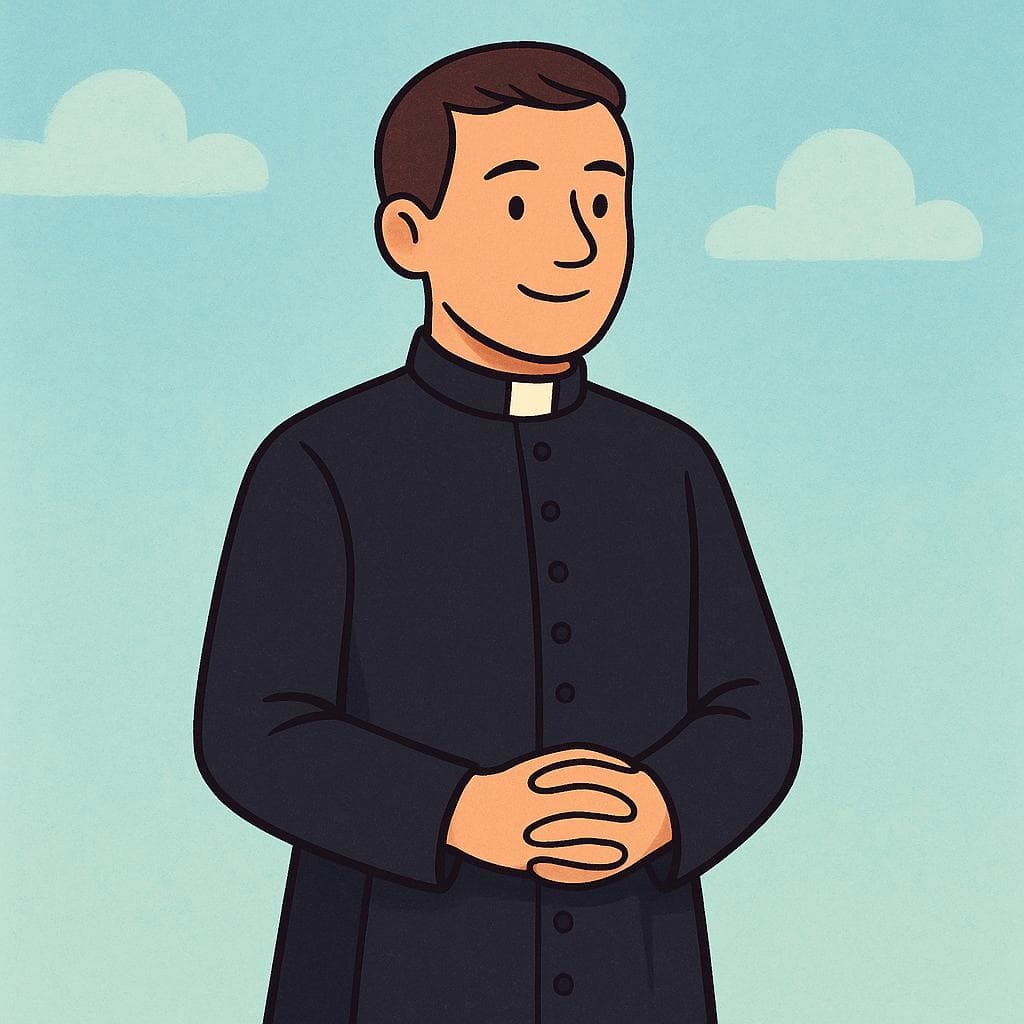
cura
kóo-rahˈku.ɾa
Examples
El cura de mi pueblo es muy amable y ayuda a todos.
The priest in my town is very kind and helps everyone.
Tuvimos una reunión con el cura para organizar el evento.
We had a meeting with the priest to organize the event.
Gender Exception
When 'cura' means 'priest,' it is masculine, even though it ends in '-a'. Always use 'el' or 'un' with it: 'el cura'.
Using the wrong article
Mistake: “La cura es muy viejo.”
Correction: El cura es muy viejo. (Because it refers to a man, the word is masculine.)
padre
PA-drayˈpa.dɾe

Examples
El padre dio la misa del domingo.
The priest gave the Sunday mass.
Necesito hablar con el Padre Francisco.
I need to speak with Father Francisco.
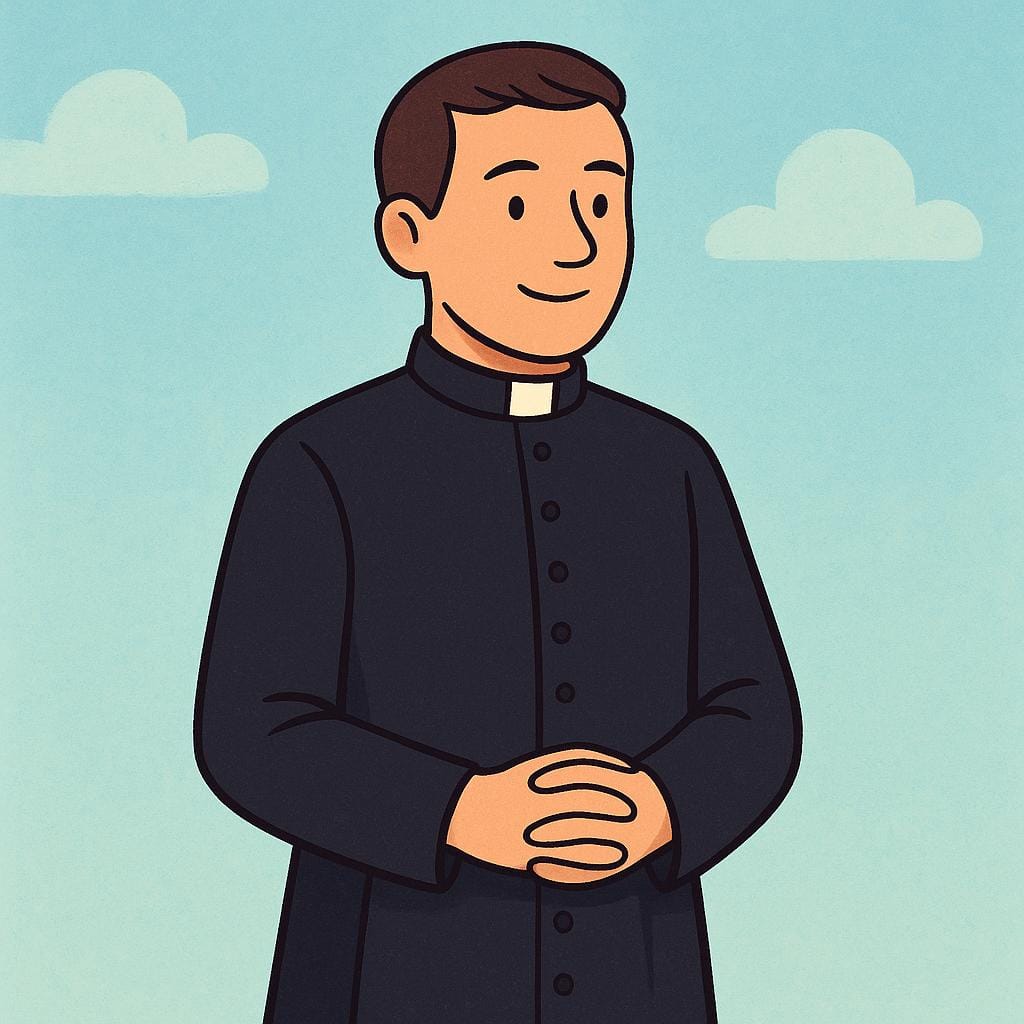
sacerdote
sa-ser-DOH-tehsaθeɾˈdo.te
Examples
El sacerdote ofició la boda en la iglesia principal.
The priest officiated the wedding in the main church.
Necesito hablar con un sacerdote sobre mis preocupaciones.
I need to speak with a priest about my concerns.
La comunidad se reunió para escuchar el sermón del joven sacerdote recién ordenado.
The community gathered to hear the sermon of the recently ordained young priest.
Masculine Noun Rule
Even though this word ends in '-e', it is always masculine. Use 'el' or 'un' before it: 'el sacerdote'.
Confusing Gender
Mistake: “La sacerdote visitó el hospital.”
Correction: El sacerdote visitó el hospital. (If referring to a male priest, the noun remains masculine.)
Cura vs. Padre vs. Sacerdote
Learn Spanish with Inklingo
Interactive stories, personalized learning, and more.