How to Say "heal!" in Spanish
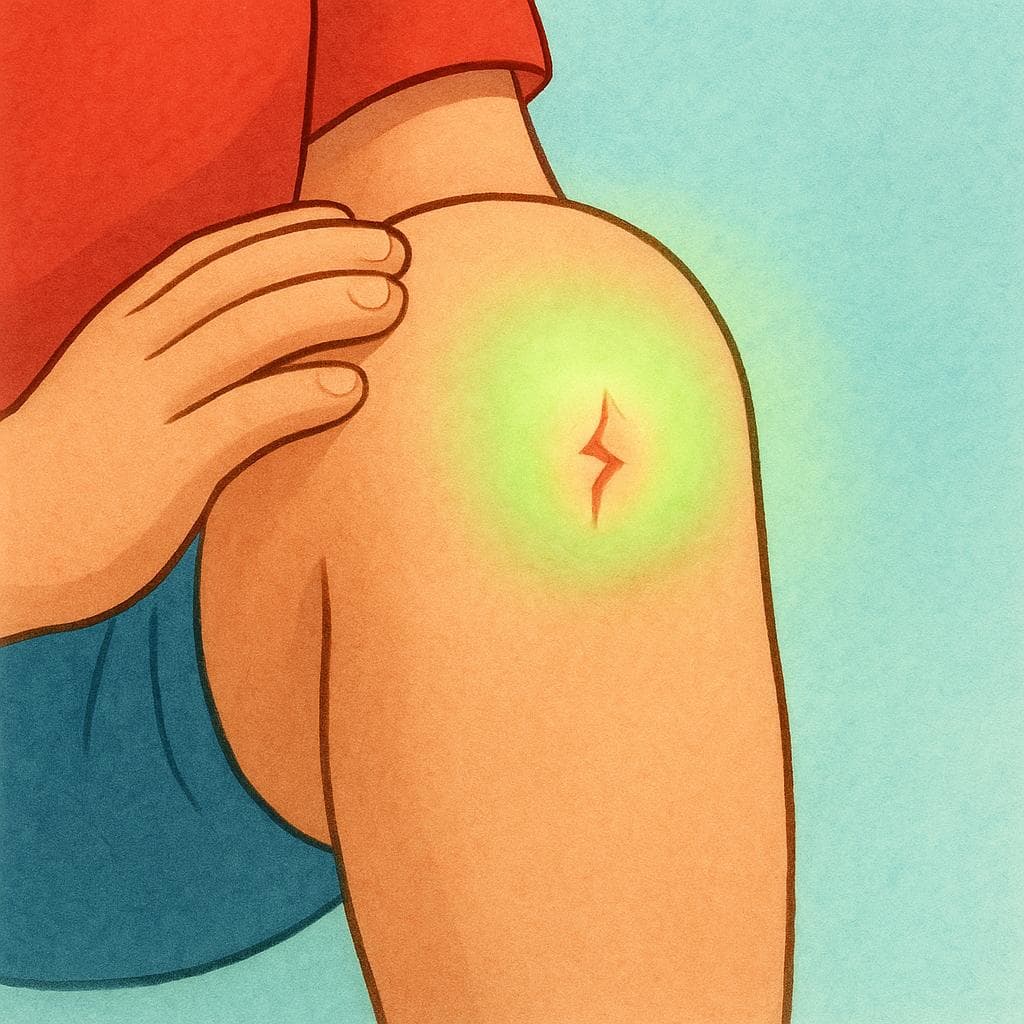
The most common Spanish word for “heal!” is “cura” — use 'cura' when referring to the action of a medicine or treatment causing something to heal, or as a direct command to heal someone or something.
cura
kóo-rahˈku.ɾa
Examples
El doctor me dijo: ¡Cura pronto!
The doctor told me: Heal soon!
El doctor dice que la medicina cura la infección rápidamente.
The doctor says the medicine cures the infection quickly.
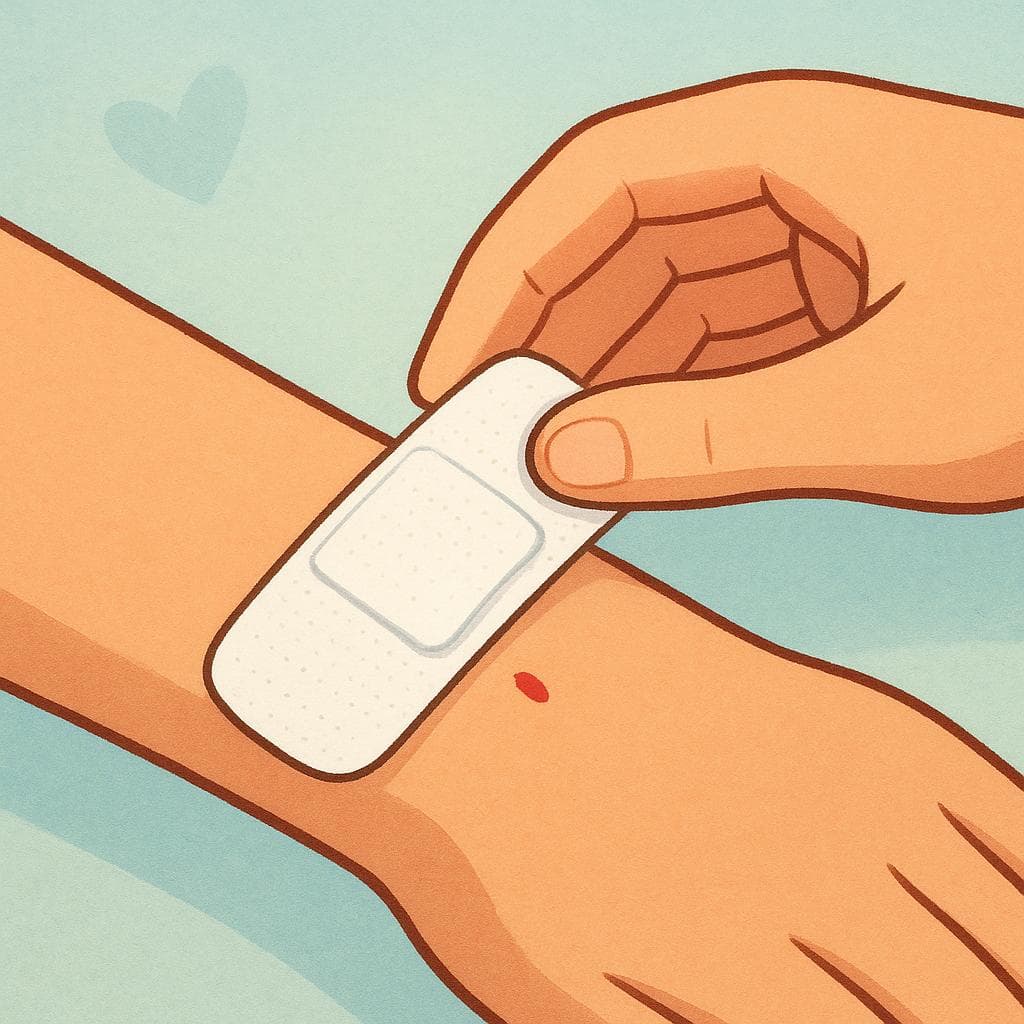
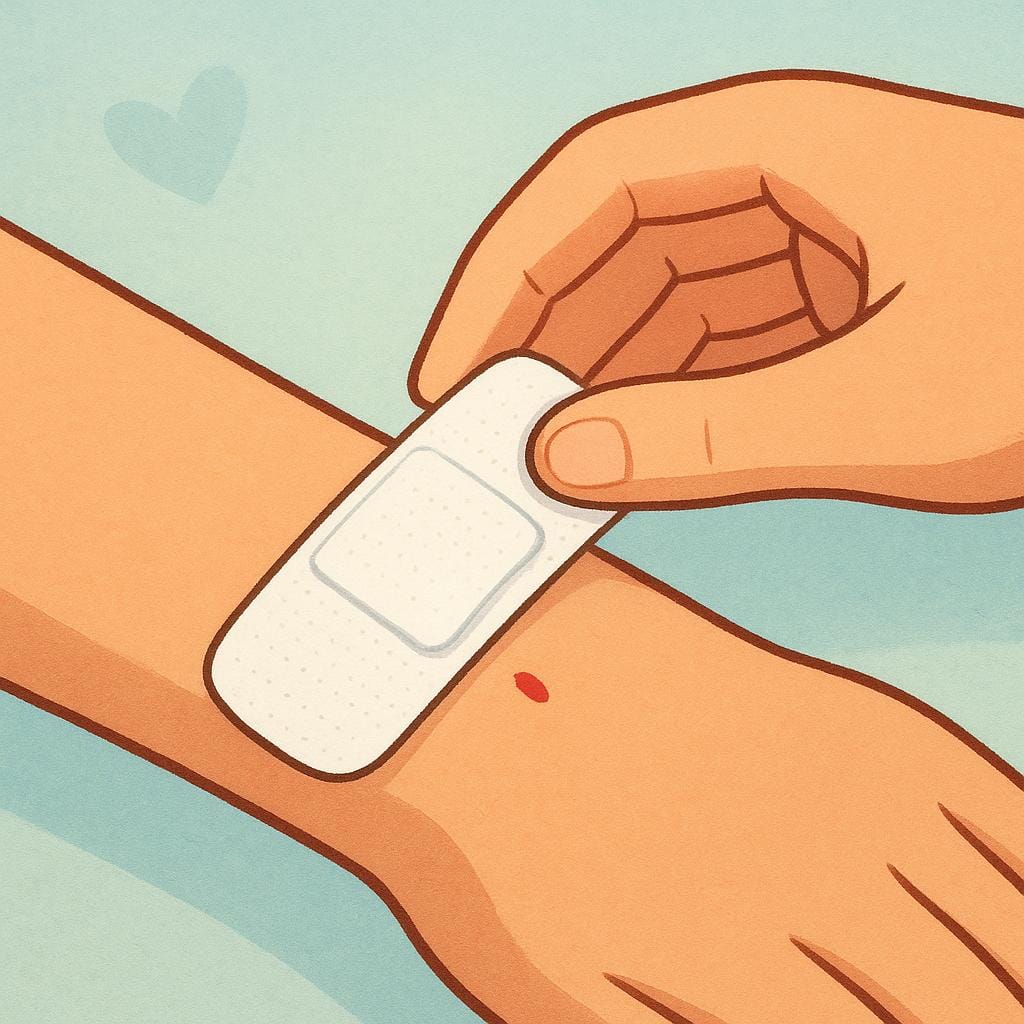
¡Cura esa herida con alcohol y tápala!
Heal that wound with alcohol and cover it!
Se dice que el tiempo cura las heridas del corazón.
They say that time heals wounds of the heart.
Regular Verb
'Curar' is a regular verb, meaning its endings follow the standard pattern for all verbs ending in '-ar'. This makes it very easy to conjugate!
sana
SAH-nahˈsa.na
Examples
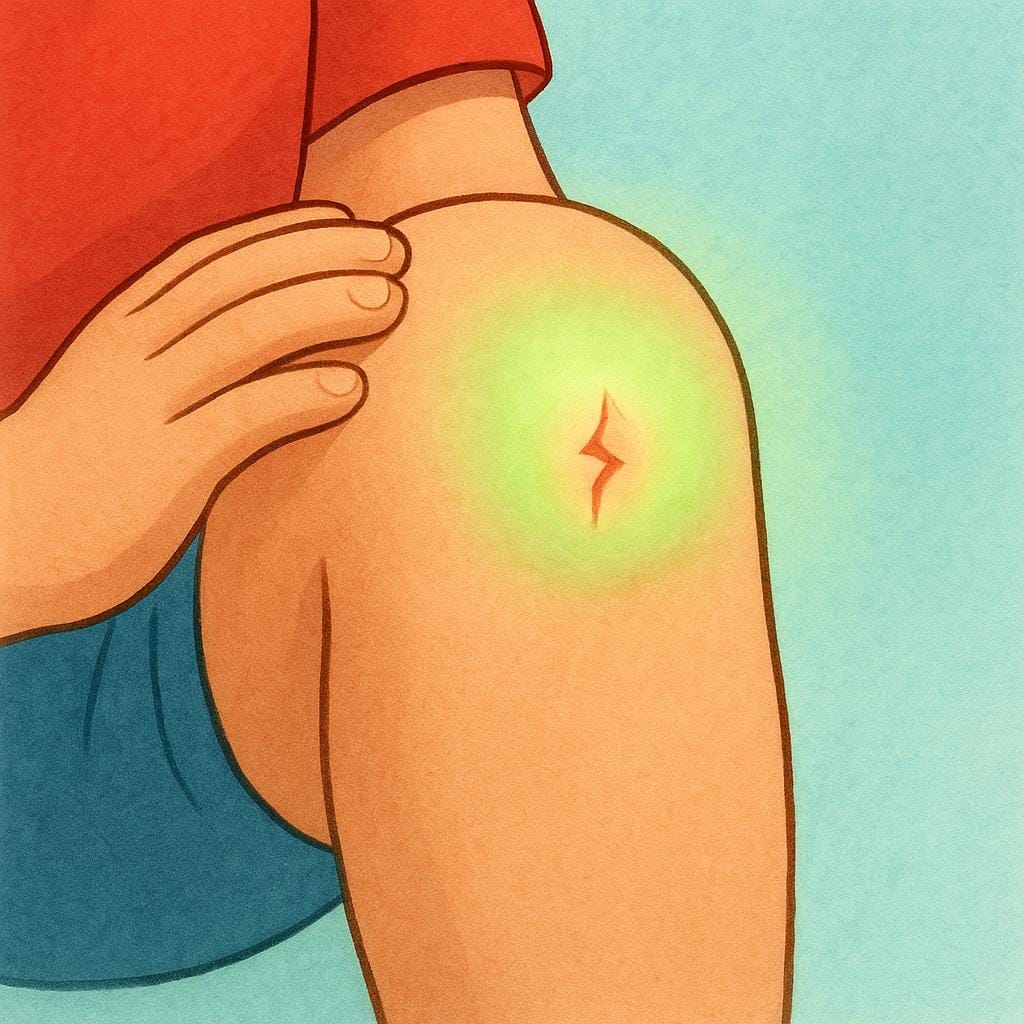
Espero que tu herida sana rápidamente.
I hope your wound heals quickly.
Mi doctor dice que la herida sana lentamente.
My doctor says the wound is healing slowly.
¡Sana tu corazón después de la ruptura!
Heal your heart after the breakup!
Usted sana a mucha gente con su trabajo.
You (formal) heal a lot of people with your work.
Two Uses of 'Sana'
The form 'sana' is used in two ways: 1) To say that 'he/she/it' or 'you (formal)' is doing the healing (present tense), or 2) To give an informal command to a friend: '¡Sana!' (Heal!).
Confusing the command
Mistake: “No sana la herida. (Don't heal the wound.)”
Correction: No sanes la herida. (When giving a negative command to a friend, the verb form changes. Use 'sanes,' not 'sana'.)
Cura vs. Sana
Learn Spanish with Inklingo
Interactive stories, personalized learning, and more.