How to Say "remedy" in Spanish
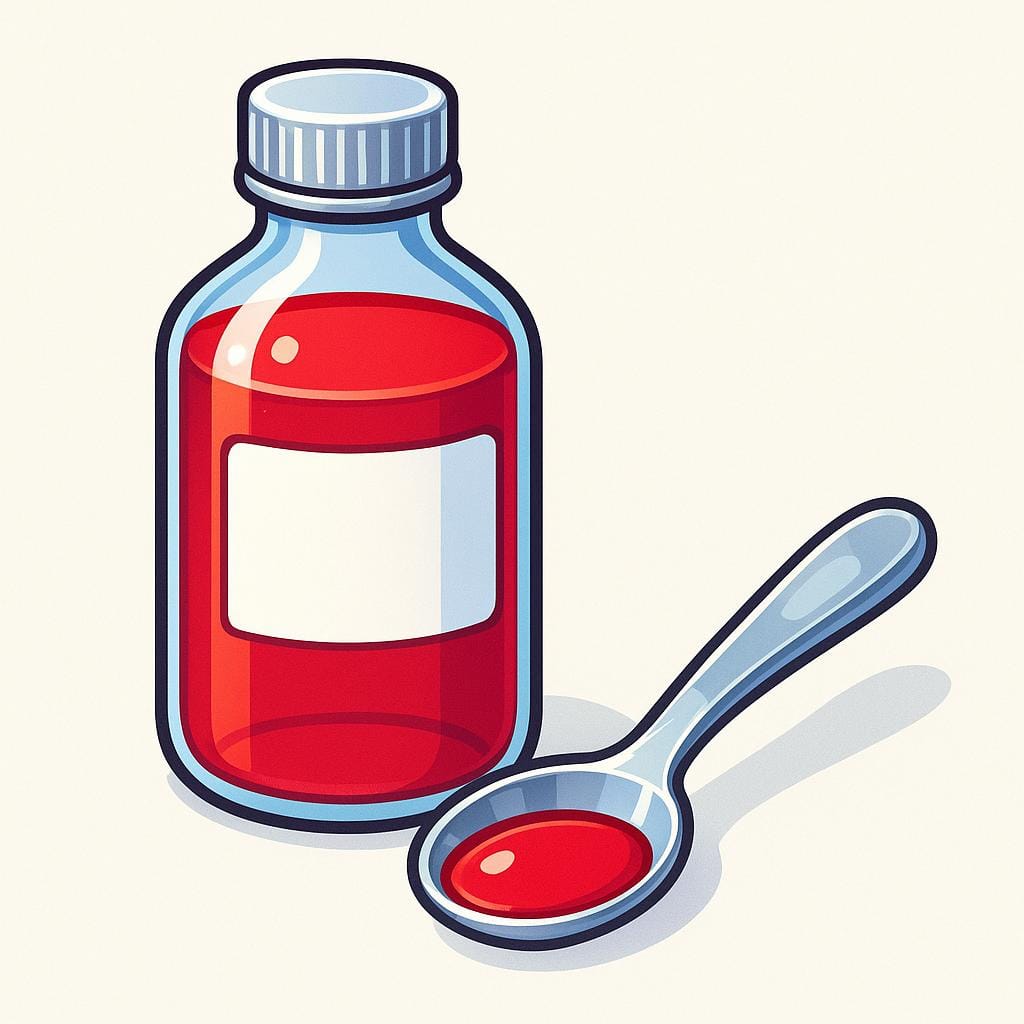
The most common Spanish word for “remedy” is “medicina” — use 'medicina' when referring to a physical treatment for a minor illness or, metaphorically, for something that fixes or improves a bad situation.
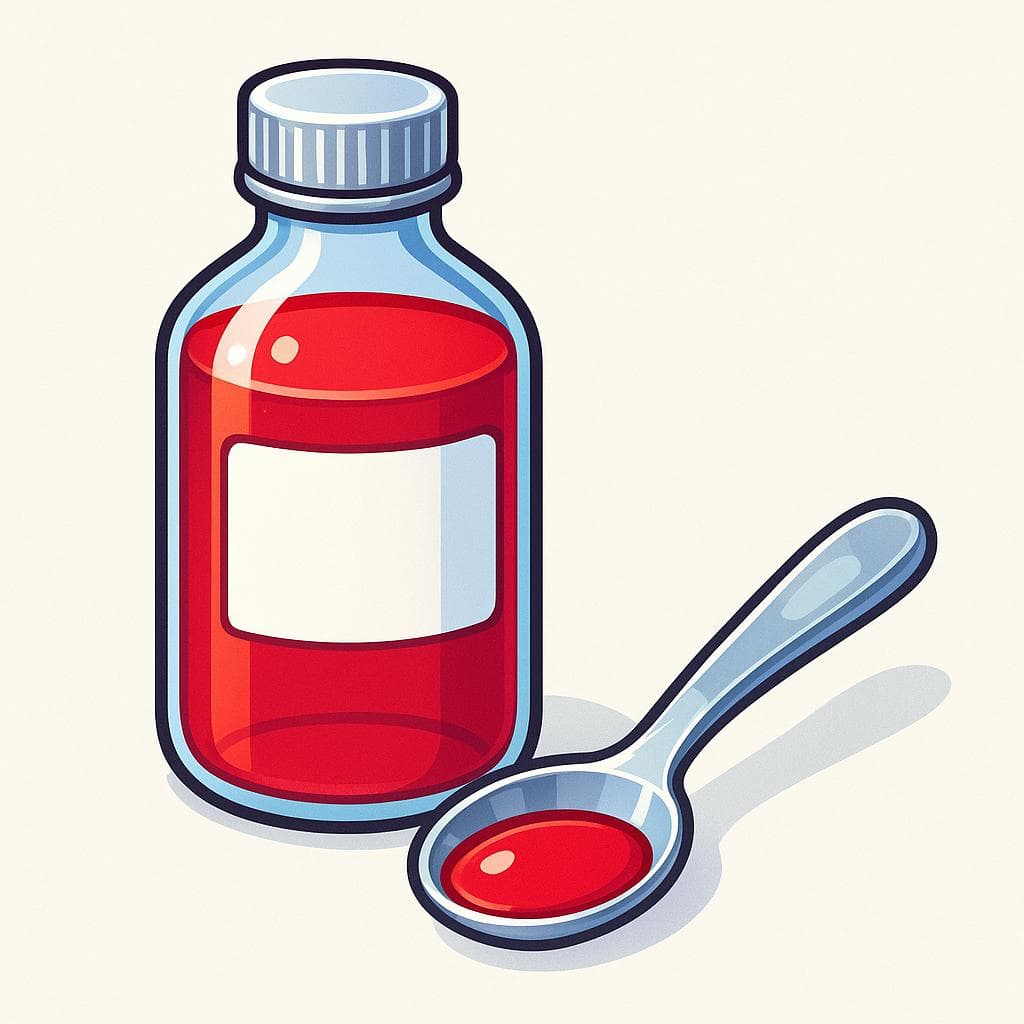
Use 'medicina' when referring to a physical treatment for a minor illness or, metaphorically, for something that fixes or improves a bad situation.
Learn more →
Use 'cura' when referring to a definitive solution or a complete fix for a serious problem, especially in a medical or scientific context.
Learn more →Choose 'antídoto' when something acts as a direct countermeasure or preventative against a specific negative condition, often used metaphorically.
Learn more →meh-dee-SEE-nahmeðiˈsina
Examples
El tiempo es la mejor medicina para superar una ruptura.
Time is the best medicine for getting over a breakup.
Necesitas tomar esta medicina dos veces al día.
You need to take this medicine twice a day.
¿Dónde puedo comprar la medicina para el dolor de cabeza?
Where can I buy the medicine for the headache?
Esta medicina tiene un sabor muy amargo.
This medication has a very bitter taste.
Gender Alert
Remember that 'medicina' is always feminine, so you must use 'la' (la medicina) and feminine adjectives (medicina buena).
Using the wrong synonym
Mistake: “Using 'doctor' instead of 'medicina' when referring to a drug. ('Necesito un doctor para la tos' instead of 'una medicina para la tos')”
Correction: Use 'medicamento' or 'medicina' for the substance, and 'médico' or 'doctor' for the person.
kóo-rahˈku.ɾa
Examples
Los científicos esperan encontrar la cura para esta enfermedad.
Scientists hope to find the cure for this disease.
La ciencia busca la cura definitiva contra el cáncer.
Science is looking for the definitive cure against cancer.
Parece que no hay una cura fácil para este problema.
It seems there is no easy remedy for this problem.
Feminine Noun
Remember to use the feminine article 'la' and feminine adjectives with this meaning: 'la cura rápida' (the quick cure).
antídoto
Examples
La empatía es un antídoto contra la intolerancia.
Empathy is an antidote against intolerance.
Medicina vs. Cura
Learners often confuse 'medicina' and 'cura'. Remember that 'medicina' can be a general fix or a minor treatment, while 'cura' implies a complete solution or a definitive cure for a significant problem.
Related Translations
Learn Spanish with Inklingo
Interactive stories, personalized learning, and more.