Inklingo

How to Say "medication" in Spanish

The most common Spanish word formedicationis medicamentouse this general term for any substance or preparation used for medical treatment, similar to 'medication' or 'drug'. It's a very common and versatile choice.
medicamento🔊A2

Use this general term for any substance or preparation used for medical treatment, similar to 'medication' or 'drug'. It's a very common and versatile choice.

Learn more →
medicina🔊A1

This word refers to a specific drug, a particular treatment, or the field of medicine itself. It's often used for remedies and treatments you take.

Learn more →
medicaciónA1

Use this term to refer to the act of administering medication or the medication itself, often implying a prescribed course of treatment.

Learn more →
fármacoB1

This is a more formal term, often used in medical or scientific contexts, referring to a drug or a specific active substance in a medication, especially a prescribed one.

Learn more →
antibióticoA2

This specifically refers to an antibiotic, a type of medication used to treat bacterial infections. Do not use it for general medication.

Learn more →
píldorasA1

Use this word when referring specifically to pills or tablets, often in a casual or everyday context. It's a plural noun meaning 'pills'.

Learn more →
English → Spanish

medicamento

meh-dee-kah-MEN-tohmeðikaˈmento
nounA2general
Use this general term for any substance or preparation used for medical treatment, similar to 'medication' or 'drug'. It's a very common and versatile choice.
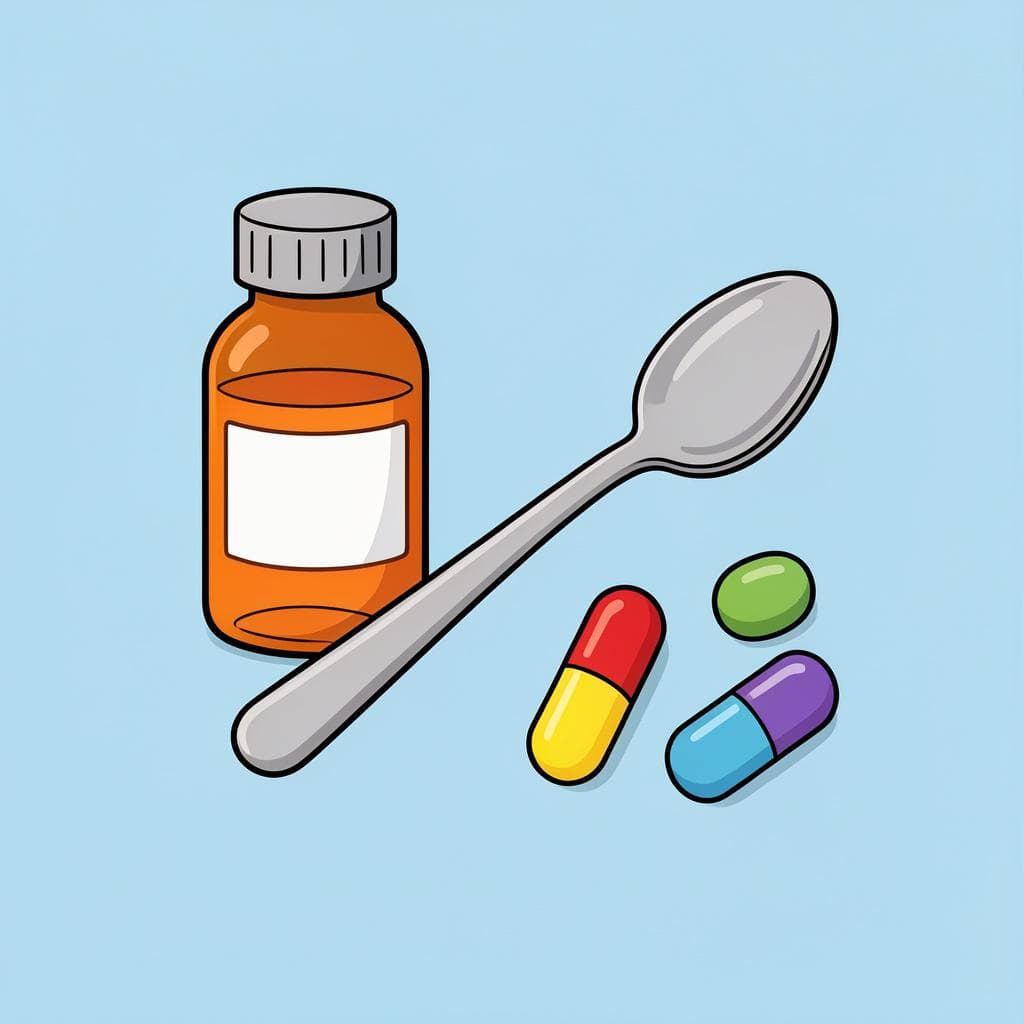
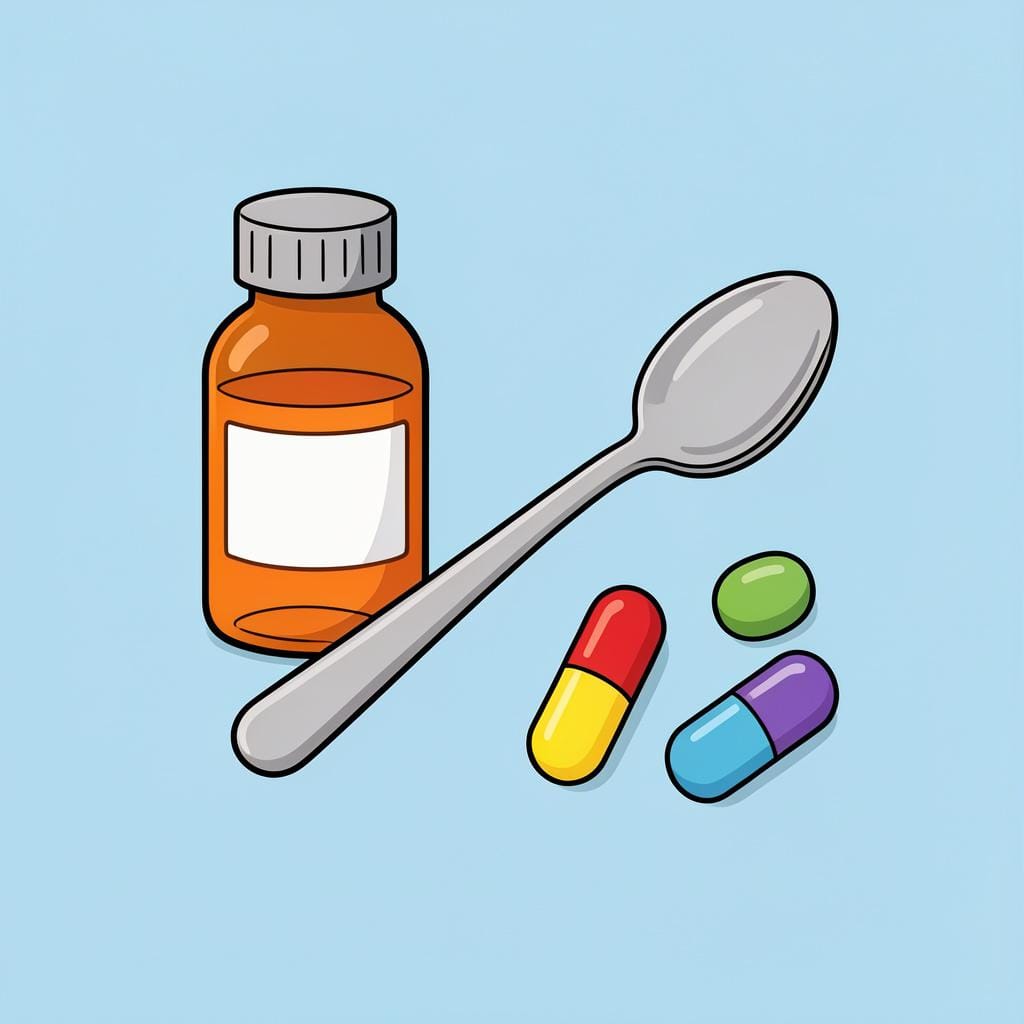
A small orange bottle of medicine sitting next to a spoon and a few colorful capsules on a clean surface.

Examples

Tengo que tomar mi medicamento cada ocho horas.

I have to take my medication every eight hours.

El médico me recetó un medicamento para el dolor.

The doctor prescribed me a medicine for the pain.

¿Este medicamento tiene efectos secundarios?

Does this medication have side effects?

Masculine Noun Ending in -o

Since it ends in -o, it is almost always masculine. You should use 'el' or 'un' with it (el medicamento).

Using 'droga' instead

Mistake:Using 'droga' to mean medicine.

Correction: In Spanish, 'droga' usually refers to illegal substances. Use 'medicamento' or 'medicina' for health related items.

medicina

meh-dee-SEE-nahmeðiˈsina
nounA1general
This word refers to a specific drug, a particular treatment, or the field of medicine itself. It's often used for remedies and treatments you take.
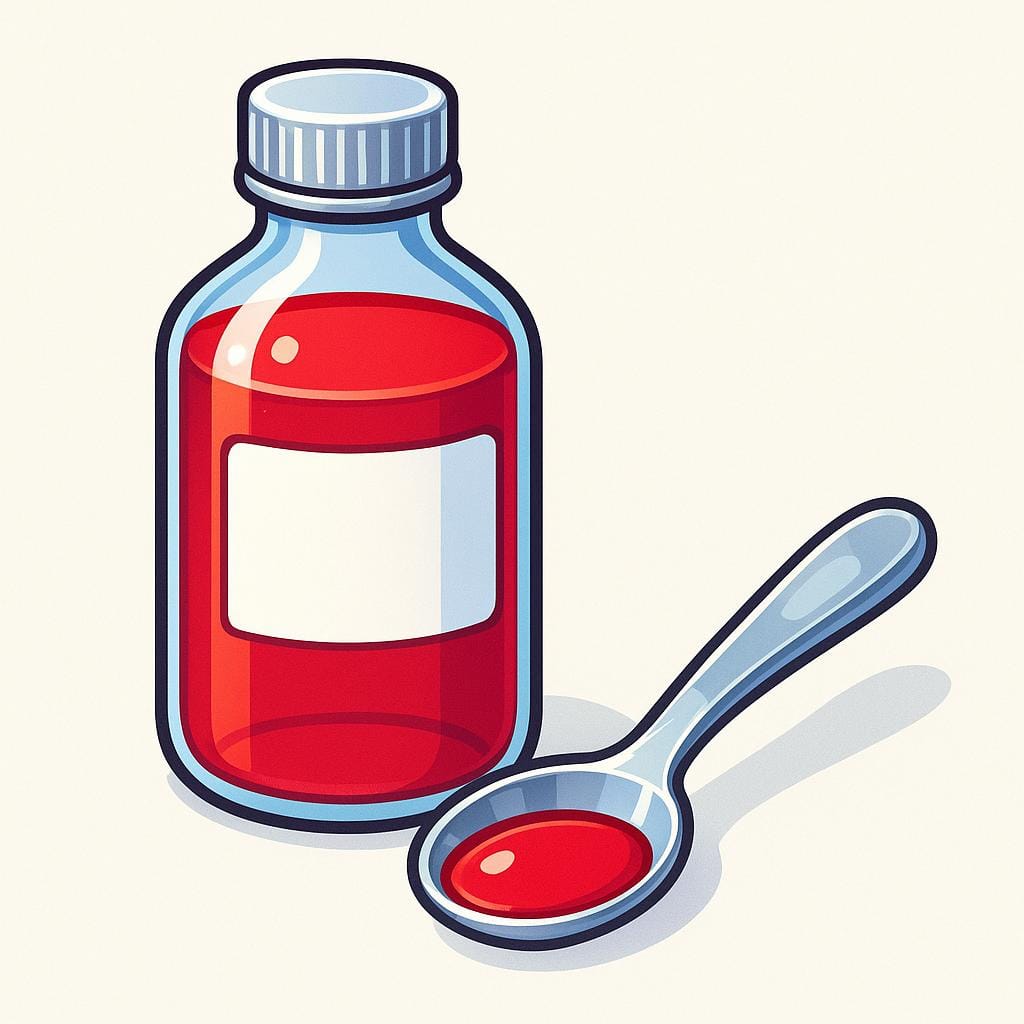
A small, transparent glass bottle filled with bright red liquid medicine, next to a small measuring spoon.

Examples

Necesitas tomar esta medicina dos veces al día.

You need to take this medicine twice a day.

¿Dónde puedo comprar la medicina para el dolor de cabeza?

Where can I buy the medicine for the headache?

Esta medicina tiene un sabor muy amargo.

This medication has a very bitter taste.

Gender Alert

Remember that 'medicina' is always feminine, so you must use 'la' (la medicina) and feminine adjectives (medicina buena).

Using the wrong synonym

Mistake:Using 'doctor' instead of 'medicina' when referring to a drug. ('Necesito un doctor para la tos' instead of 'una medicina para la tos')

Correction: Use 'medicamento' or 'medicina' for the substance, and 'médico' or 'doctor' for the person.

medicación

nounA1general
Use this term to refer to the act of administering medication or the medication itself, often implying a prescribed course of treatment.

Examples

La doctora me recetó una medicación muy fuerte.

The doctor prescribed me very strong medication.

fármaco

nounB1formal/technical
This is a more formal term, often used in medical or scientific contexts, referring to a drug or a specific active substance in a medication, especially a prescribed one.

Examples

El doctor está probando un nuevo fármaco para la alergia.

The doctor is testing a new drug for allergies.

antibiótico

nounA2general
This specifically refers to an antibiotic, a type of medication used to treat bacterial infections. Do not use it for general medication.

Examples

Tengo que tomar el antibiótico cada ocho horas.

I have to take the antibiotic every eight hours.

píldoras

nounA1informal/general
Use this word when referring specifically to pills or tablets, often in a casual or everyday context. It's a plural noun meaning 'pills'.

Examples

Necesito ir a la farmacia a comprar mis píldoras para la presión.

I need to go to the pharmacy to buy my pills for my blood pressure.

General vs. Specific Terms

The most common mistake is using a specific term like 'antibiótico' (antibiotic) or 'píldoras' (pills) when a general term like 'medicamento' or 'medicina' is more appropriate. Stick to 'medicamento' or 'medicina' unless you know you're referring to a specific type of drug or form.

Learn Spanish with Inklingo

Interactive stories, personalized learning, and more.