How to Say "cleric" in Spanish
The most common Spanish word for “cleric” is “reverendo” — use 'reverendo' as a general and common term for a religious official, suitable for most everyday situations when referring to a priest, minister, or similar figure.
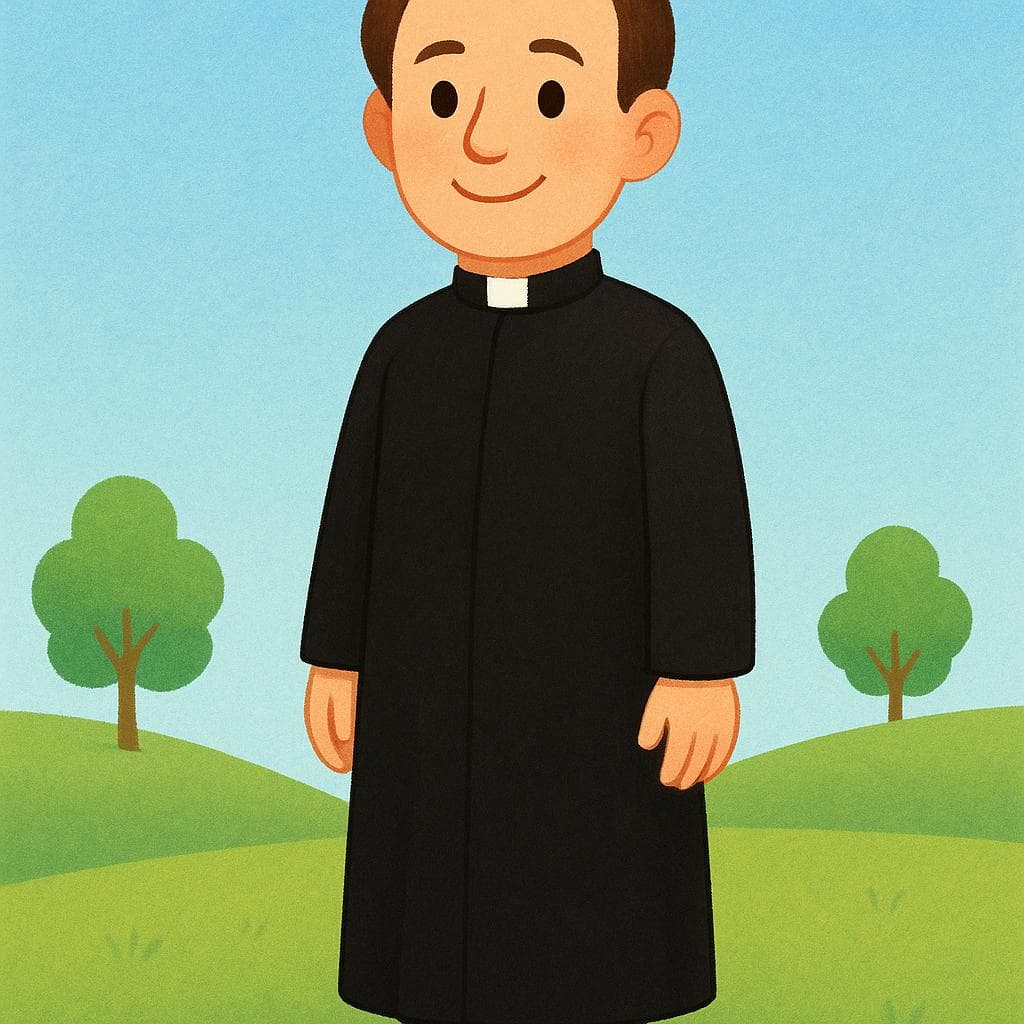
reverendo
reh-veh-REN-dohreβeˈɾendo
Examples
El reverendo dio un sermón sobre la caridad.
The reverend gave a sermon about charity.
Hablé con el reverendo sobre mis dudas de fe.
I spoke with the clergyman about my doubts regarding faith.
Title vs. Noun
When used as a noun (meaning 'the person'), you always need an article (like 'el' or 'un') before it, just like saying 'the doctor' or 'a teacher'.
Gender Agreement
Mistake: “La reverendo ofició la boda.”
Correction: La reverenda ofició la boda. (If referring to a female minister, the noun must be feminine: 'la reverenda'.)
eclesiástico
Examples
El eclesiástico caminaba lentamente por el claustro.
The clergyman walked slowly through the cloister.
Formal vs. General Usage
Related Translations
Learn Spanish with Inklingo
Interactive stories, personalized learning, and more.