How to Say "moral" in Spanish
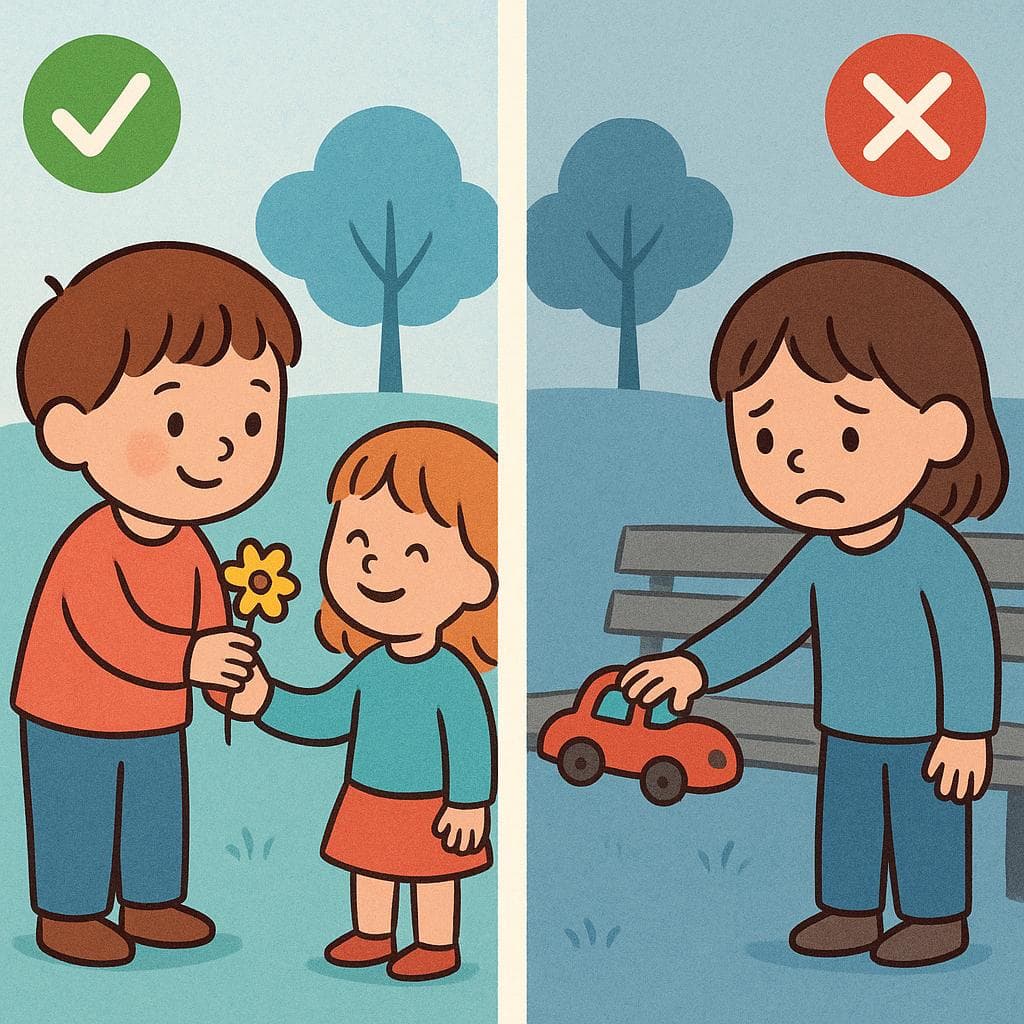
The most common Spanish word for “moral” is “enseñanza” — use 'enseñanza' when referring to the lesson or message that can be learned from a story, fable, or experience.

enseñanza
Examples
Este cuento tiene una enseñanza muy valiosa.
This story has a very valuable moral.
lección
Examples
Lo que pasó fue una gran lección de humildad.
What happened was a great lesson in humility.
mensaje
men-SA-hehmenˈsa.xe

Examples
El mensaje de la película es que nunca debes rendirte.
The moral of the movie is that you should never give up.
El director quería transmitir un mensaje de esperanza con su obra.
The director wanted to convey a message of hope with his work.
¿Cuál crees que es el mensaje oculto en la novela?
What do you think is the hidden message in the novel?
moral
moh-RAHLmoˈɾal
Examples
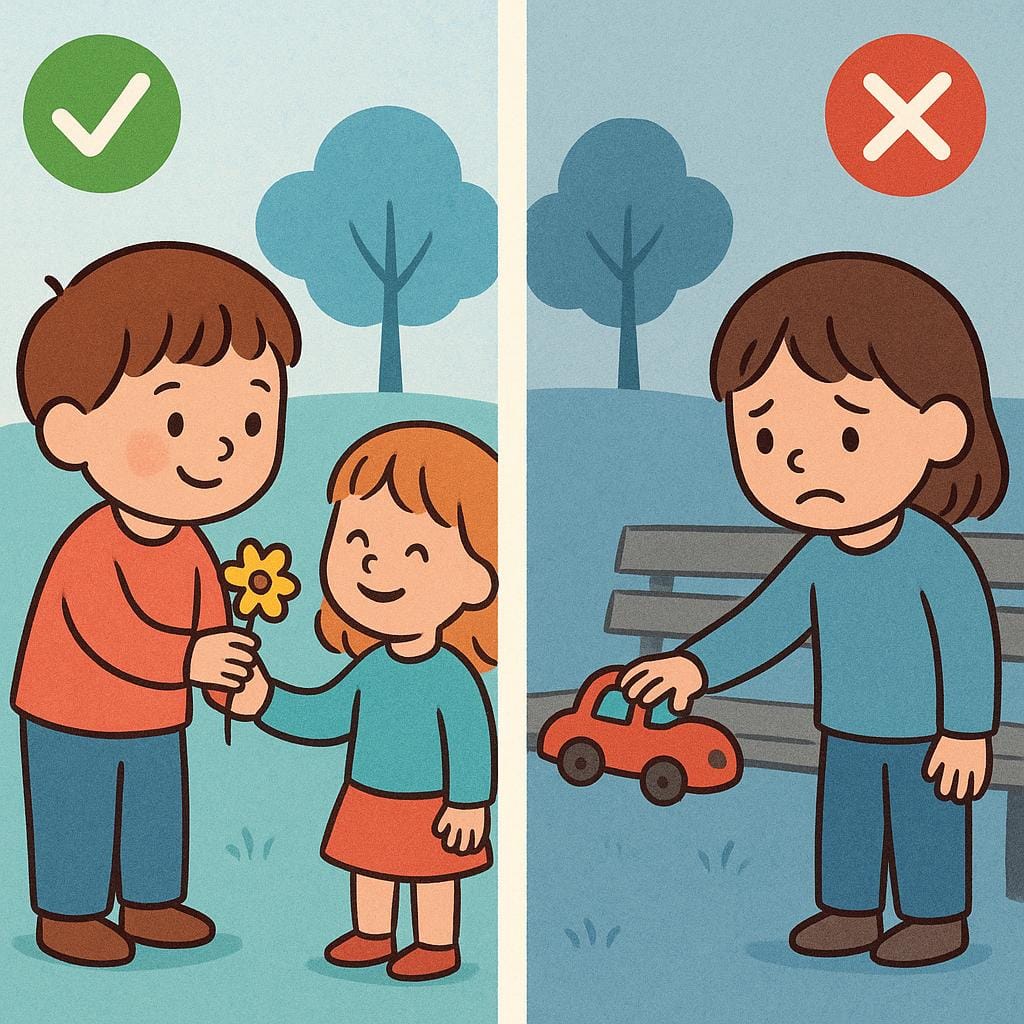
Tomar esa decisión fue un acto muy moral.
Making that decision was a very moral act.
Necesitamos un líder moral que nos guíe.
We need an ethical leader to guide us.
Su comportamiento siempre ha sido moralmente correcto.
His behavior has always been morally correct.
La moral de la fábula es que la honestidad es la mejor política.
The moral of the fable is that honesty is the best policy.
Adjective Form
As an adjective, 'moral' is one of those words that stays the same whether the thing you are describing is masculine ('el acto moral') or feminine ('la obligación moral').
Abstract Noun
When referring to the general concept of right and wrong (morality), 'moral' acts as a feminine noun ('la moral').
Confusing Adjective and Noun
Mistake: “La persona tiene mucho moral.”
Correction: La persona es muy moral. (The person is very ethical.) The noun 'moral' usually means 'morale' or 'ethics,' not 'ethical person.'
moral
moh-RAHLmoˈɾal
Examples
La moral de la fábula es que la honestidad es la mejor política.
The moral of the fable is that honesty is the best policy.
Tomar esa decisión fue un acto muy moral.
Making that decision was a very moral act.
Necesitamos un líder moral que nos guíe.
We need an ethical leader to guide us.
Su comportamiento siempre ha sido moralmente correcto.
His behavior has always been morally correct.
Adjective Form
As an adjective, 'moral' is one of those words that stays the same whether the thing you are describing is masculine ('el acto moral') or feminine ('la obligación moral').
Abstract Noun
When referring to the general concept of right and wrong (morality), 'moral' acts as a feminine noun ('la moral').
Confusing Adjective and Noun
Mistake: “La persona tiene mucho moral.”
Correction: La persona es muy moral. (The person is very ethical.) The noun 'moral' usually means 'morale' or 'ethics,' not 'ethical person.'
ético
Examples
Él es un hombre muy ético.
He is a very ethical man.
Moral vs. Enseñanza/Lección/Mensaje
Learn Spanish with Inklingo
Interactive stories, personalized learning, and more.