How to Say "mourning" in Spanish
The most common Spanish word for “mourning” is “duelo” — use 'duelo' when referring to the internal emotional experience and the process of grieving or coping with a loss.
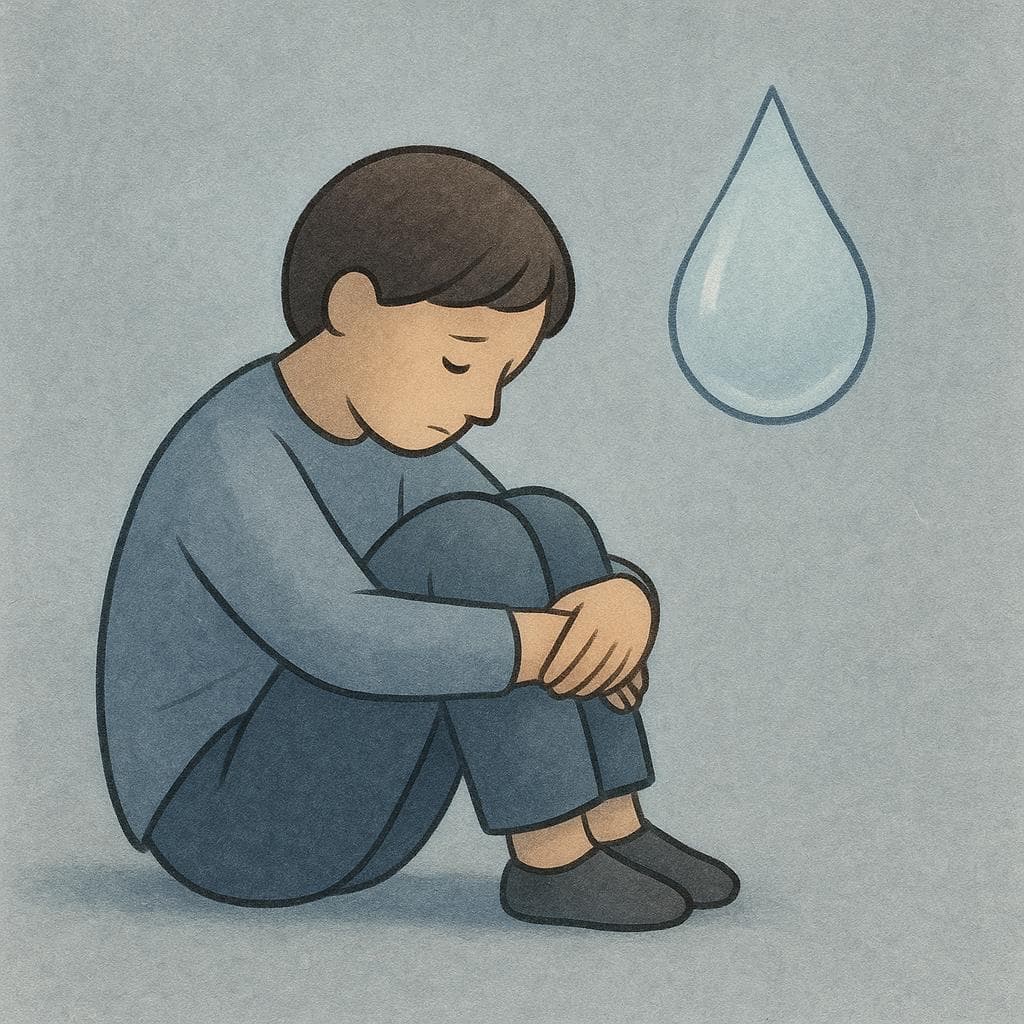

duelo
DWEH-lohˈdwelo
Examples
Después de la muerte de su abuelo, ella pasó por un largo duelo.
After her grandfather's death, she went through a long period of mourning (grief).
El duelo es un proceso natural y necesario.
Grief is a natural and necessary process.
La familia guardó duelo durante un año.
The family observed a period of mourning for a year.
Gender Check
Remember that 'duelo' (grief) is masculine, so you always use 'el duelo' or 'un duelo'.
Duelo vs. Dolor
Mistake: “Using 'dolor' when talking about emotional loss ('Tengo dolor por mi perro').”
Correction: Use 'duelo' for deep emotional grief related to loss, and 'dolor' for physical pain or general sadness ('Tengo duelo por mi perro').
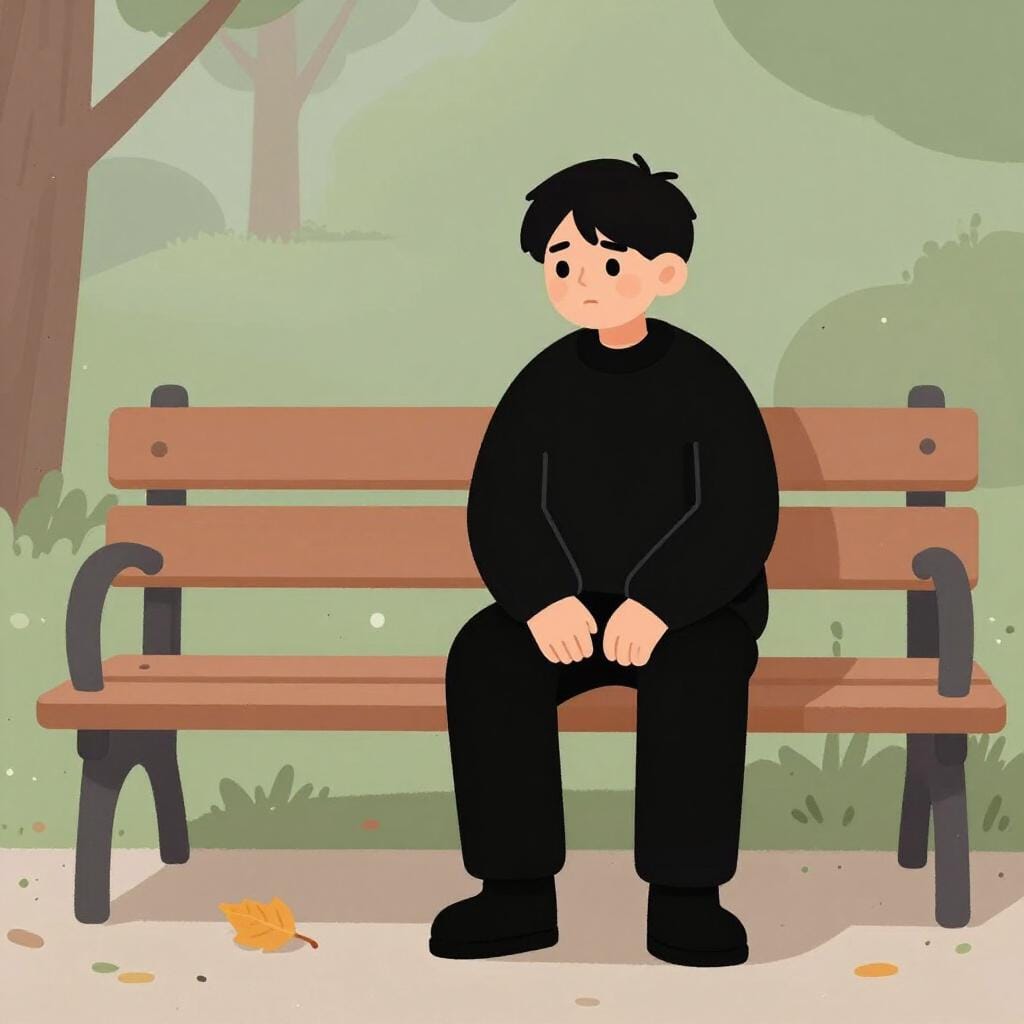
luto
loo-tohˈluto
Examples
La familia está de luto por la muerte del abuelo.
The family is in mourning because of the grandfather's death.
El gobierno declaró tres días de luto oficial.
The government declared three days of official mourning.
Ella todavía viste de luto, aunque han pasado dos años.
She still wears mourning clothes, even though two years have passed.
Describing the State
To say someone 'is in mourning,' use the phrase 'estar de luto.' You don't usually say someone 'is mourning' as an action verb like in English.
Using 'de' for Clothing
When talking about wearing black for mourning, use 'vestir de luto.' This specifically implies the cultural tradition of wearing dark colors after a loss.
Avoid using 'el luto' for the process
Mistake: “Estoy haciendo el luto.”
Correction: Estoy de luto (I am in mourning) or Estoy pasando el duelo (I am going through the grieving process).
Duelo vs. Luto
Learn Spanish with Inklingo
Interactive stories, personalized learning, and more.