How to Say "mural" in Spanish
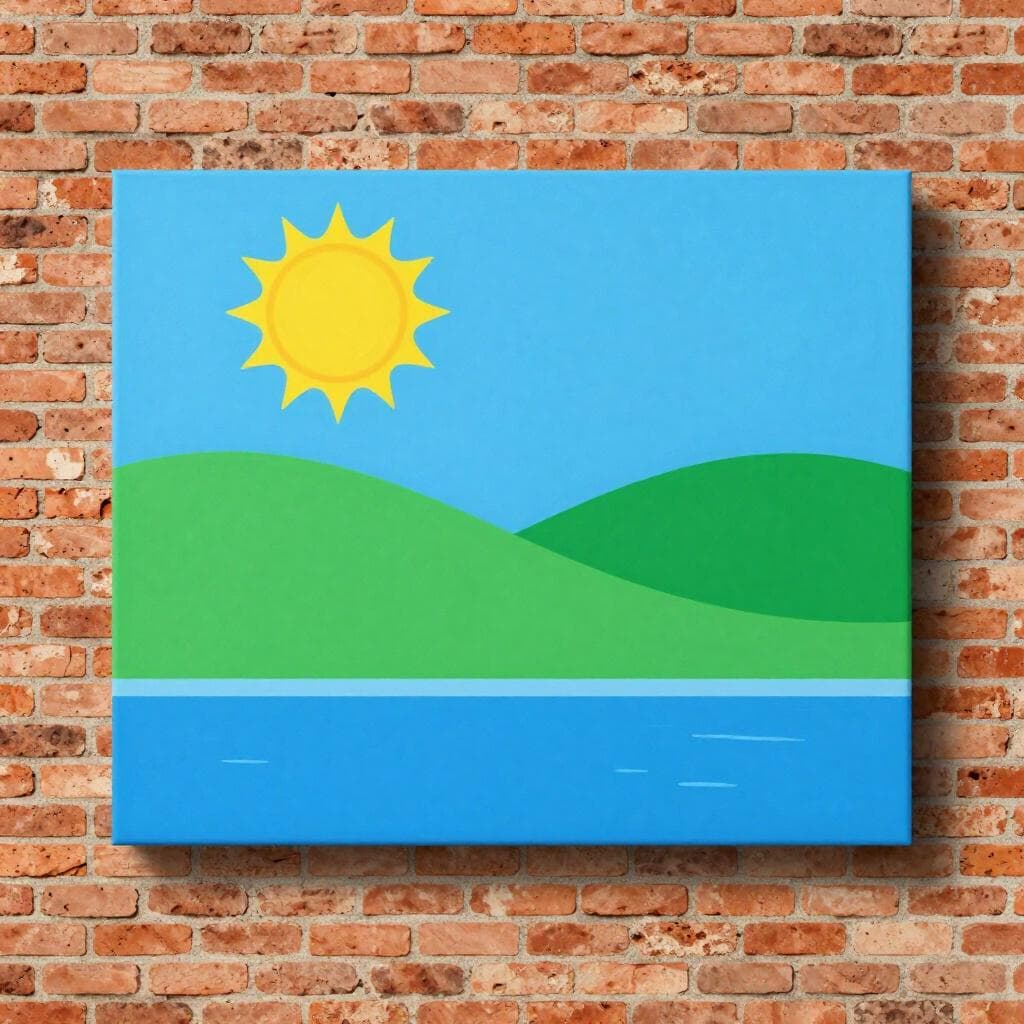
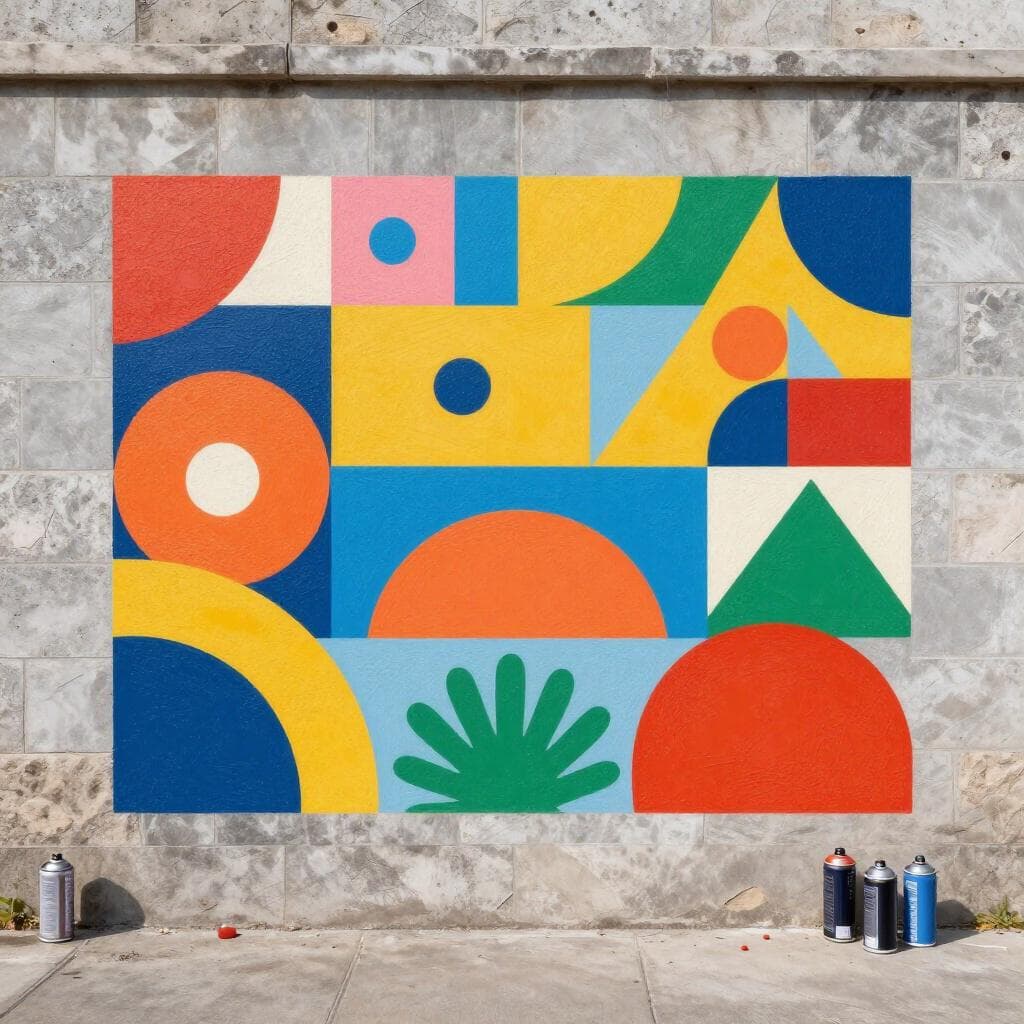
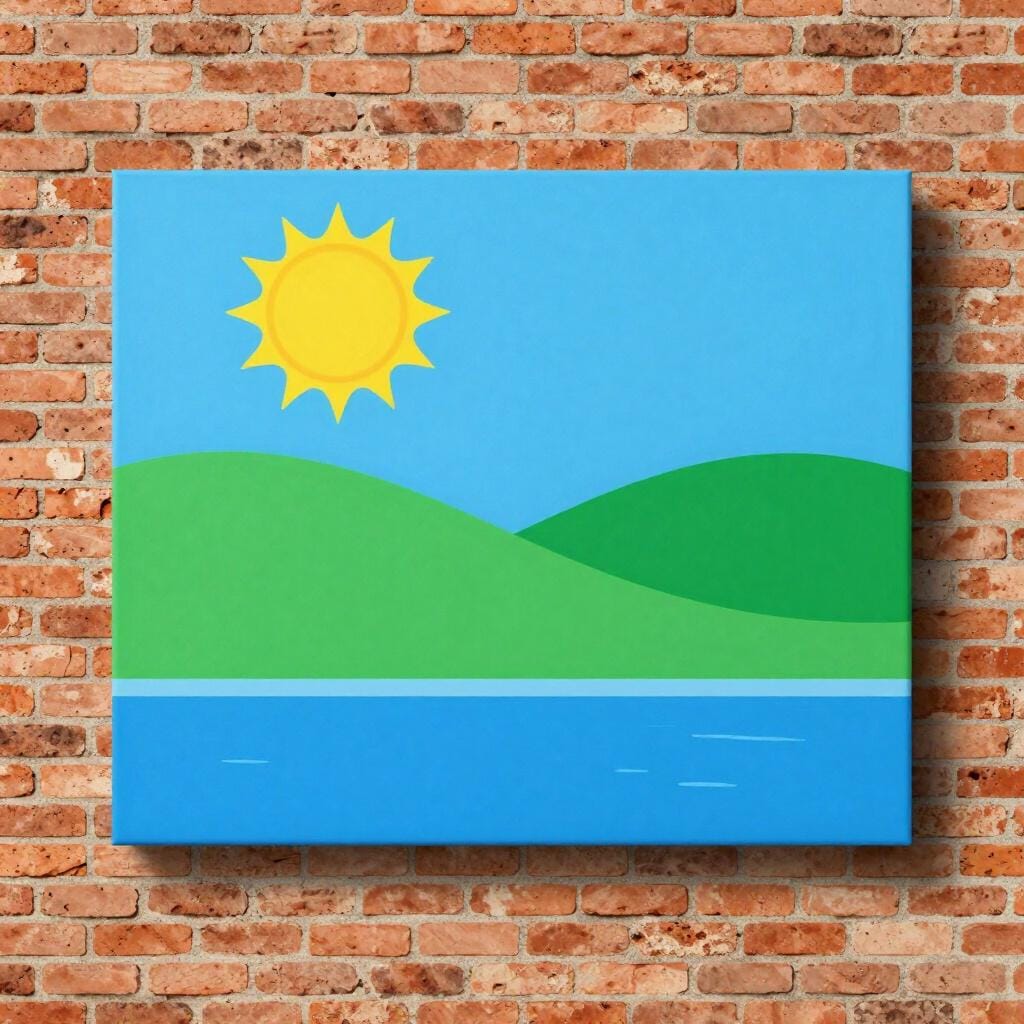
The most common Spanish word for “mural” is “mural” — use 'mural' when referring to a large, often artistic painting or decoration applied directly to a wall, typically planned and executed as a work of art.
mural
moo-RALmuˈɾal
Examples
Hay un mural muy colorido en mi calle.
There is a very colorful mural on my street.
Los estudiantes pintaron un mural sobre la paz.
The students painted a mural about peace.
México es famoso por sus murales históricos.
Mexico is famous for its historical murals.
Necesitamos un reloj mural para la oficina.
We need a wall-mounted clock for the office.
Making it plural
Since this word ends in a consonant (l), you add -es to make it plural: 'un mural' becomes 'dos murales'.
Gender memory aid
Even though it ends in 'al', it is a masculine word. Use 'el' or 'un' with it.
One form for both
This adjective stays the same for both masculine and feminine words. You say 'el reloj mural' and 'la pintura mural'.
Gender confusion
Mistake: “la mural”
Correction: el mural. Most words ending in -al are masculine.
Don't add an 'a'
Mistake: “pintura murala”
Correction: pintura mural. Adjectives ending in 'l' don't change to 'a' for feminine words.
mural
moo-RALmuˈɾal
Examples
Necesitamos un reloj mural para la oficina.
We need a wall-mounted clock for the office.
Hay un mural muy colorido en mi calle.
There is a very colorful mural on my street.
Los estudiantes pintaron un mural sobre la paz.
The students painted a mural about peace.
México es famoso por sus murales históricos.
Mexico is famous for its historical murals.
Making it plural
Since this word ends in a consonant (l), you add -es to make it plural: 'un mural' becomes 'dos murales'.
Gender memory aid
Even though it ends in 'al', it is a masculine word. Use 'el' or 'un' with it.
One form for both
This adjective stays the same for both masculine and feminine words. You say 'el reloj mural' and 'la pintura mural'.
Gender confusion
Mistake: “la mural”
Correction: el mural. Most words ending in -al are masculine.
Don't add an 'a'
Mistake: “pintura murala”
Correction: pintura mural. Adjectives ending in 'l' don't change to 'a' for feminine words.
pintada
peen-TAH-dahpinˈtaða
Examples
Había una pintada política en el muro de la escuela.
There was a political slogan painted on the school wall.
El ayuntamiento borró todas las pintadas del centro.
The city council erased all the graffiti from the downtown area.
Hacer pintadas en edificios históricos es ilegal.
Making graffiti on historical buildings is illegal.
Always Feminine
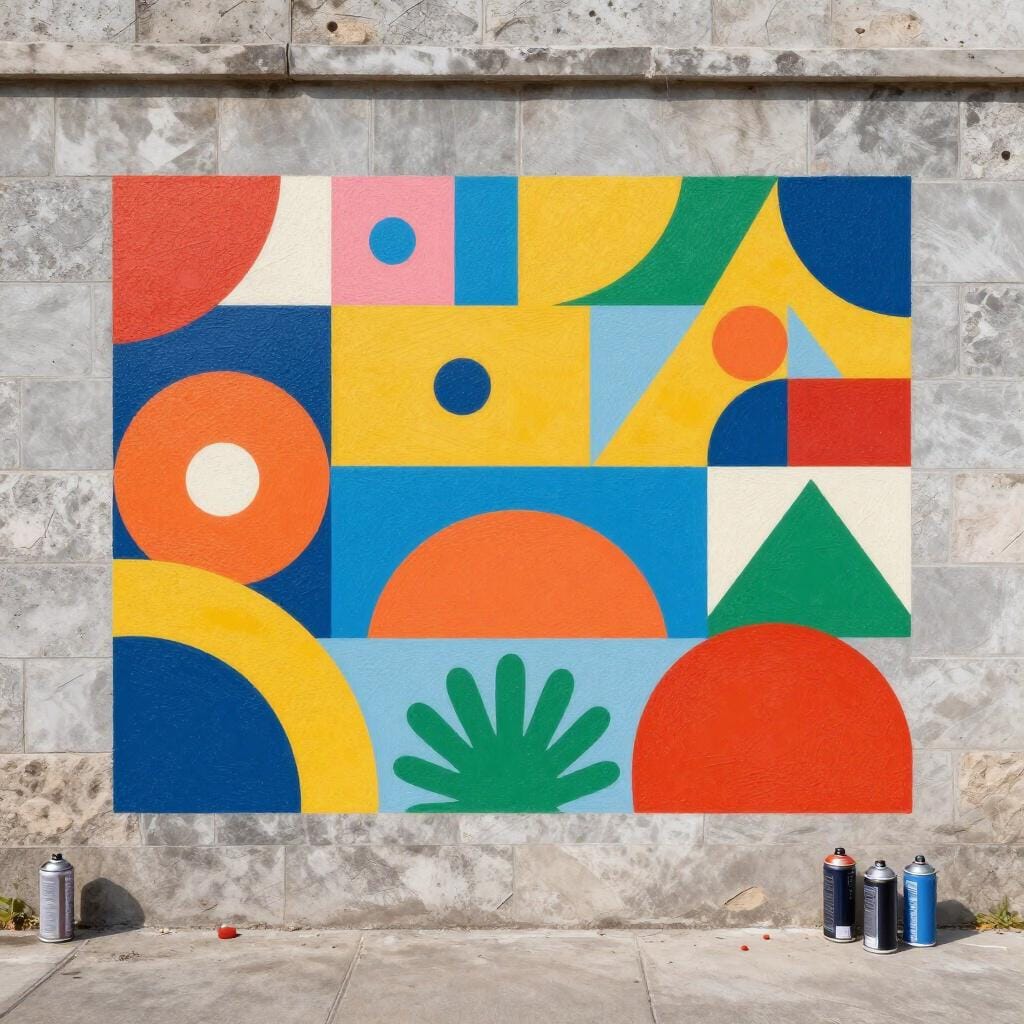
Even though it comes from a verb, when used as a noun to mean graffiti, it is always feminine: 'la pintada' or 'una pintada'.
Pintada vs. Pintura
Mistake: “Usar 'pintura' para hablar de un mensaje en la calle.”
Correction: Use 'pintada' for street messages or graffiti, and 'pintura' for the liquid paint or an artistic painting on canvas.
Mural vs. Pintada
Related Translations
Learn Spanish with Inklingo
Interactive stories, personalized learning, and more.