How to Say "natives" in Spanish
The most common Spanish word for “natives” is “naturales” — use 'naturales' when referring to people who are indigenous to or originally from a specific geographical region or place.

Use 'naturales' when referring to people who are indigenous to or originally from a specific geographical region or place.
Learn more →
Use 'hijos' metaphorically to describe the 'offspring' or 'products' that result from a particular cause, situation, or abstract origin.
Learn more →nah-too-RAH-lesna.tuˈɾa.les
Examples
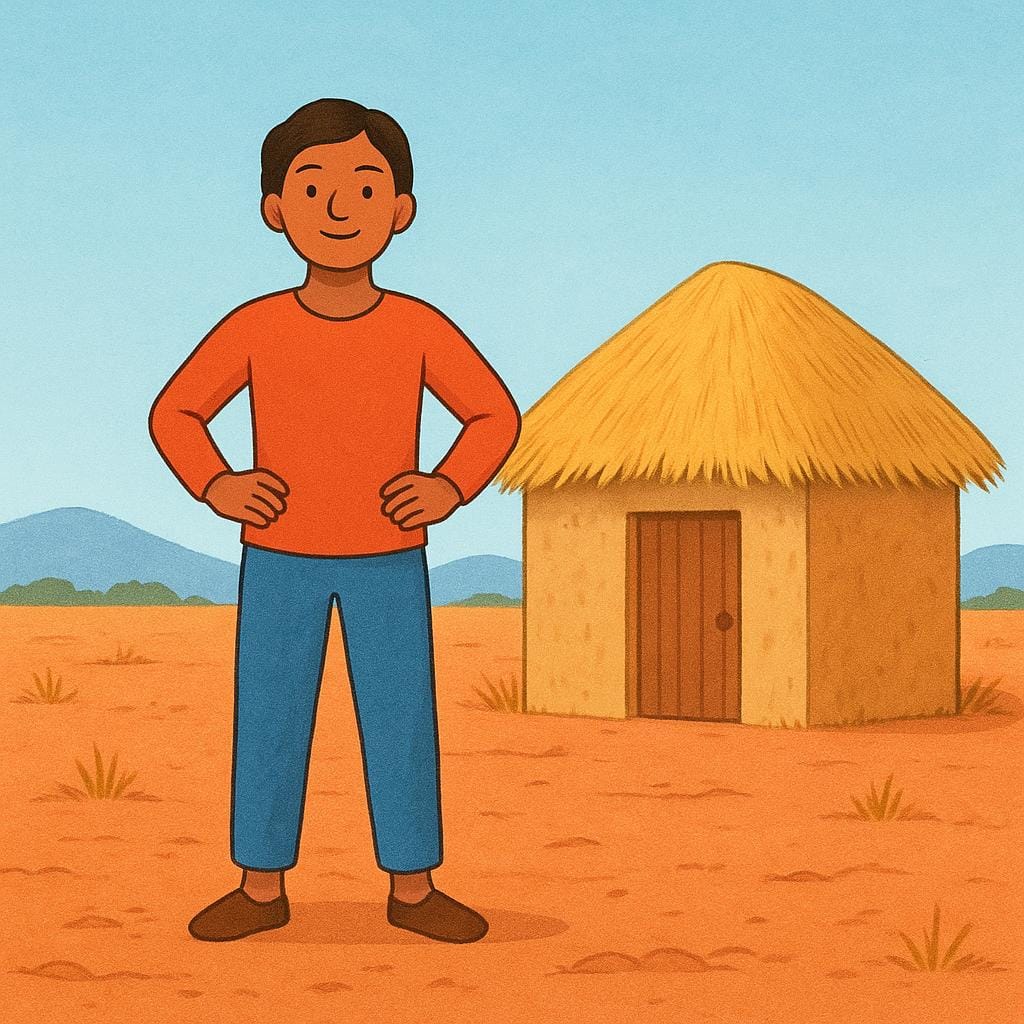
Los naturales del valle han mantenido sus tradiciones.
The natives of the valley have maintained their traditions.
Se organizó una reunión con los naturales de la región.
A meeting was organized with the locals of the region.
Noun Use
When used as a noun, 'naturales' refers to people. Because it is a plural noun, it is always preceded by a plural article like 'los' or 'unos'.
ee-khosˈixos
Examples
Estos problemas económicos son hijos de la mala gestión.
These economic problems are the products of poor management.
Somos hijos de nuestro tiempo y de nuestra cultura.
We are products of our time and our culture.
Confusing 'Naturales' with 'Hijos'
Learners often mistakenly use 'hijos' when referring to people native to a place. Remember that 'naturales' specifically denotes indigenous people, while 'hijos' is typically used metaphorically for the 'products' or 'results' of something.
Related Translations
Learn Spanish with Inklingo
Interactive stories, personalized learning, and more.