How to Say "native" in Spanish
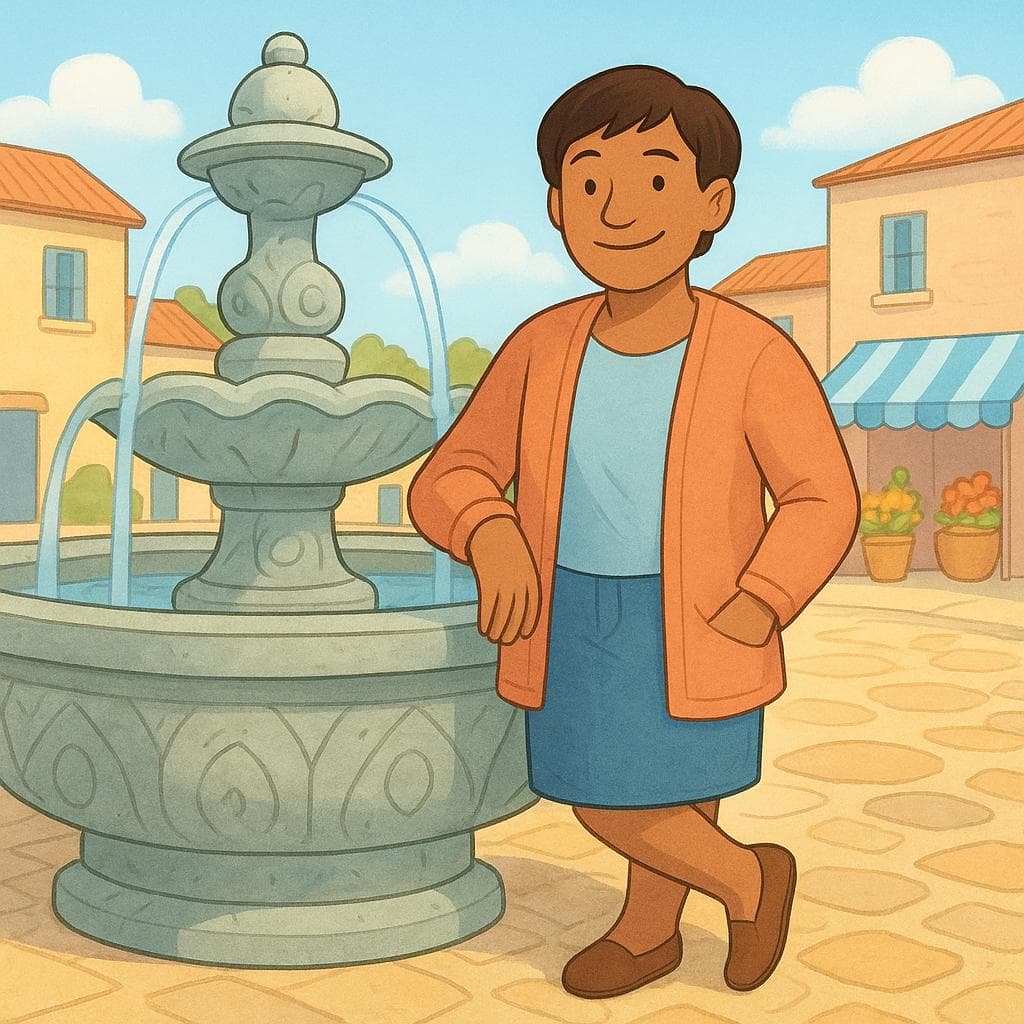
The most common Spanish word for “native” is “nativo” — use this for 'native speaker' or to describe something originating directly from a place, like a plant or animal.





nativo
na-TEE-bohnaˈtiβo

Examples
Mi profesor de inglés es un hablante nativo.
My English teacher is a native speaker.
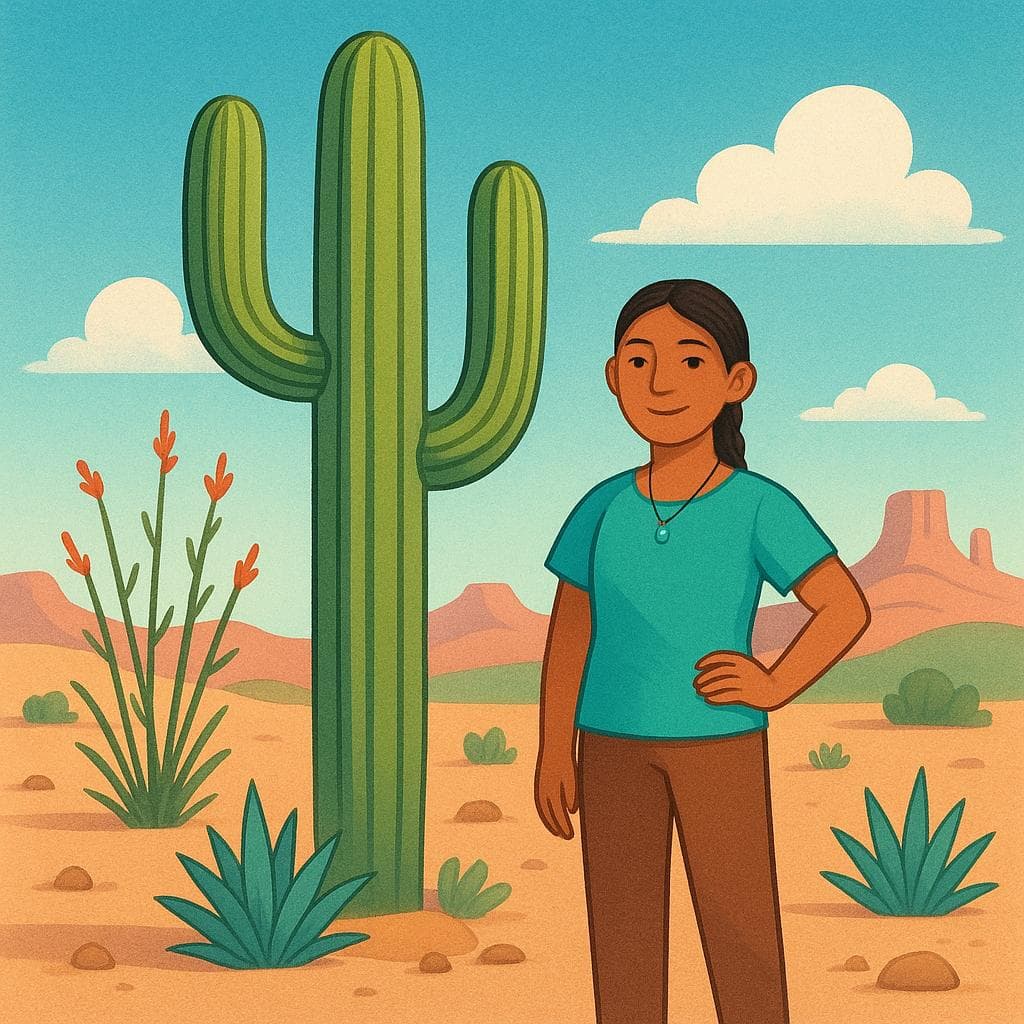
Esta es una planta nativa de la selva amazónica.
This is a plant native to the Amazon rainforest.
Ella tiene un ingenio nativo que le permite resolver problemas rápido.
She has an innate wit that allows her to solve problems quickly.
Los nativos de la isla conocen bien las corrientes del mar.
The natives of the island know the sea currents well.
Matching Gender and Number
This word changes to 'nativa' for feminine things and adds an 's' (nativos/nativas) for plural. For example: 'una lengua nativa'.
Word Placement
In Spanish, you usually place this word after the person or thing you are describing, like 'hablante nativo' instead of 'native speaker'.
Person Descriptions
When referring to a person, use 'el nativo' for a man and 'la nativa' for a woman.
Nativo vs. De
Mistake: “Soy nativo Nueva York.”
Correction: Soy nativo de Nueva York (or simply 'Soy de...'). You must use 'de' to link the word to the place name.
Avoiding Offense
Mistake: “Calling everyone in a rural area a 'nativo'.”
Correction: In some contexts, 'nativo' can sound a bit old-fashioned or clinical. Use 'la gente de aquí' (the people from here) or 'los lugareños' (the locals) to sound more natural and friendly.
nativo
na-TEE-bohnaˈtiβo
Examples
Los nativos de la isla conocen bien las corrientes del mar.
The natives of the island know the sea currents well.
Mi profesor de inglés es un hablante nativo.
My English teacher is a native speaker.
Esta es una planta nativa de la selva amazónica.
This is a plant native to the Amazon rainforest.
Ella tiene un ingenio nativo que le permite resolver problemas rápido.
She has an innate wit that allows her to solve problems quickly.
Matching Gender and Number
This word changes to 'nativa' for feminine things and adds an 's' (nativos/nativas) for plural. For example: 'una lengua nativa'.
Word Placement
In Spanish, you usually place this word after the person or thing you are describing, like 'hablante nativo' instead of 'native speaker'.
Person Descriptions
When referring to a person, use 'el nativo' for a man and 'la nativa' for a woman.
Nativo vs. De
Mistake: “Soy nativo Nueva York.”
Correction: Soy nativo de Nueva York (or simply 'Soy de...'). You must use 'de' to link the word to the place name.
Avoiding Offense
Mistake: “Calling everyone in a rural area a 'nativo'.”
Correction: In some contexts, 'nativo' can sound a bit old-fashioned or clinical. Use 'la gente de aquí' (the people from here) or 'los lugareños' (the locals) to sound more natural and friendly.
indígena
Examples
Me encanta visitar las comunidades indígenas.
I love visiting indigenous communities.
nacido
na-SEE-dohnaˈsiðo

Examples
Mi abuelo era un hombre nacido en el campo.
My grandfather was a man born in the countryside.
La recién nacida está durmiendo tranquilamente.
The newborn (girl) is sleeping peacefully.
Los problemas nacidos de la crisis son evidentes.
The problems arising from the crisis are evident.
Agreement is Key
As an adjective, 'nacido' must match the thing it describes in both gender (masculine/feminine) and number (singular/plural): 'nacida' (f. singular), 'nacidos' (m. plural), etc.
Forgetting the Accent on 'Recién'
Mistake: “Muchos padres quieren ver a su recien nacido.”
Correction: The adverb 'recién' (recently) must carry an accent when it comes before the past participle: 'recién nacido'.
local
lo-CALloˈkal
Examples
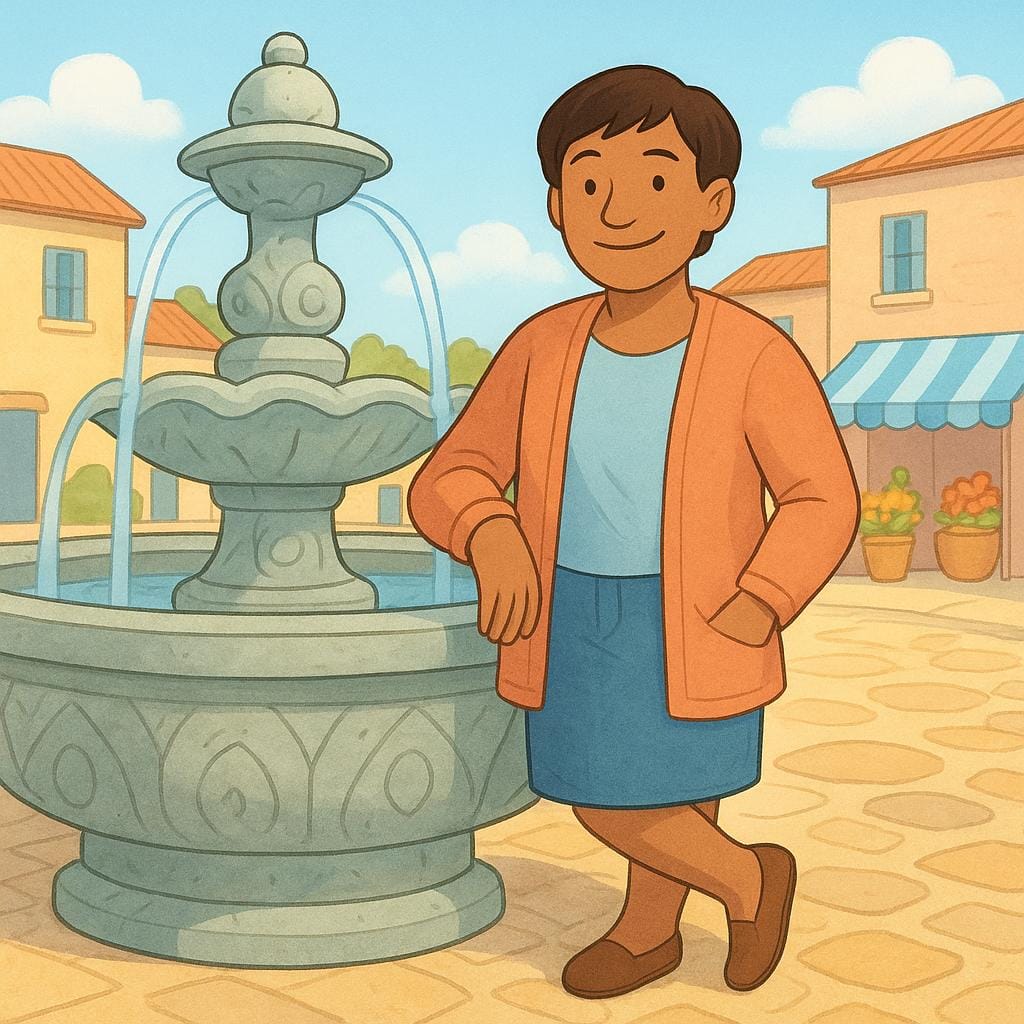
Pregúntale a un local, seguro que conoce el camino más corto.
Ask a local, surely they know the shortest way.
Las locales siempre saben dónde comprar mejor.
The local women/residents always know where to shop best.
Used Like an Adjective
This noun is formed by using the adjective (Definition 1) alone. You can say 'el local' (the male local) or 'la local' (the female local), but remember the adjective form never changes its ending to -a.
natural
nah-too-RAHLna.tuˈɾal
Examples
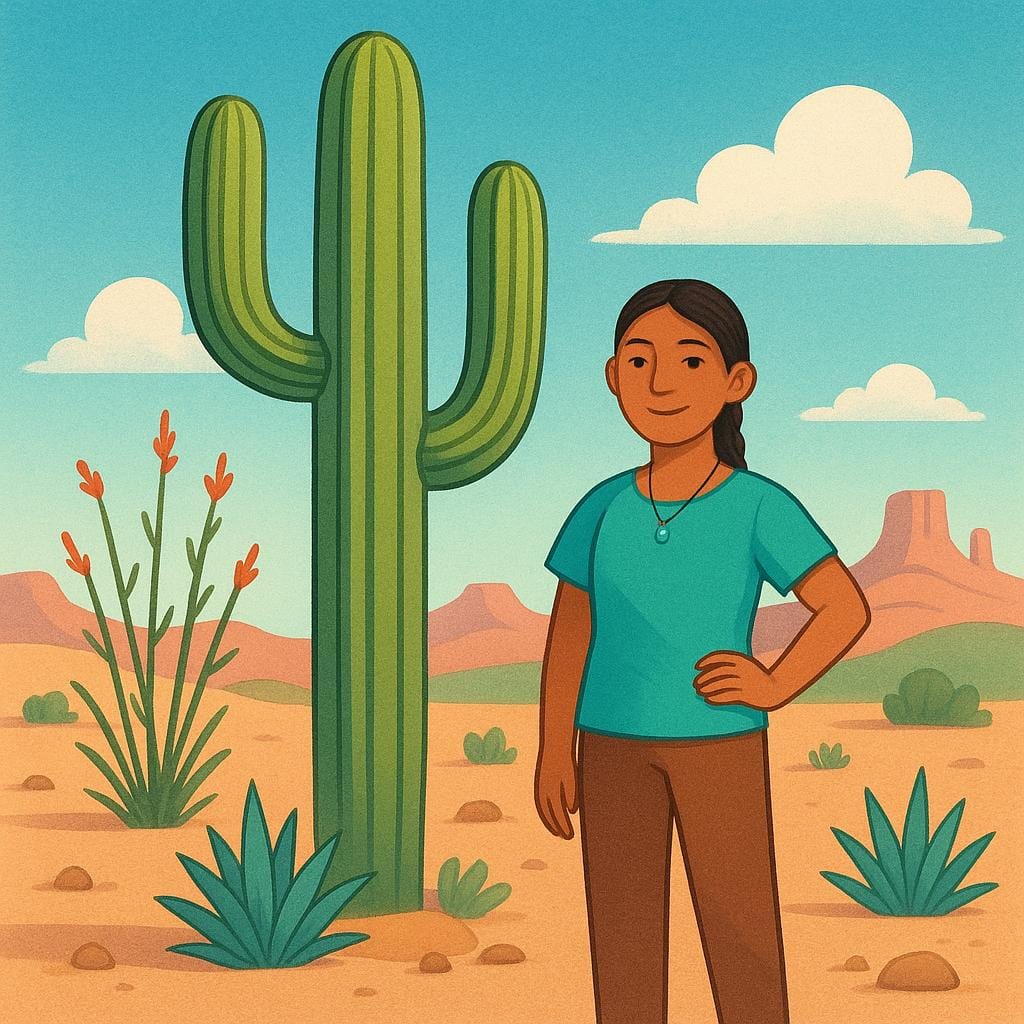
Mi abuelo es natural de un pequeño pueblo costero.
My grandfather is a native of a small coastal town.
Los naturales de la isla recibieron a los visitantes con una danza tradicional.
The natives (or local inhabitants) of the island greeted the visitors with a traditional dance.
Noun Use
When used as a noun, 'natural' means 'person from that place.' Remember to use the appropriate article: 'el natural' (male native) or 'la natural' (female native).
natal
nah-TAHLnaˈtal

Examples
Ella siempre extraña su ciudad natal.
She always misses her hometown.
Regresó a su suelo natal después de diez años.
He returned to his native land after ten years.
El español es su lengua natal.
Spanish is his native language.
One Form for All
This word stays the same whether you are describing a masculine thing (un país natal) or a feminine thing (una ciudad natal). It doesn't change its ending for gender.
Natal vs. Nativo
Mistake: “Using 'natal' to describe a person.”
Correction: Use 'nativo' for people ('él es nativo de aquí') and 'natal' for places or things related to birth ('su ciudad natal').
indígena
Examples
El guía es un indígena que conoce muy bien la montaña.
The guide is an indigenous person who knows the mountain very well.
originario
oh-ree-hee-nah-ryohoɾixiˈnaɾjo

Examples
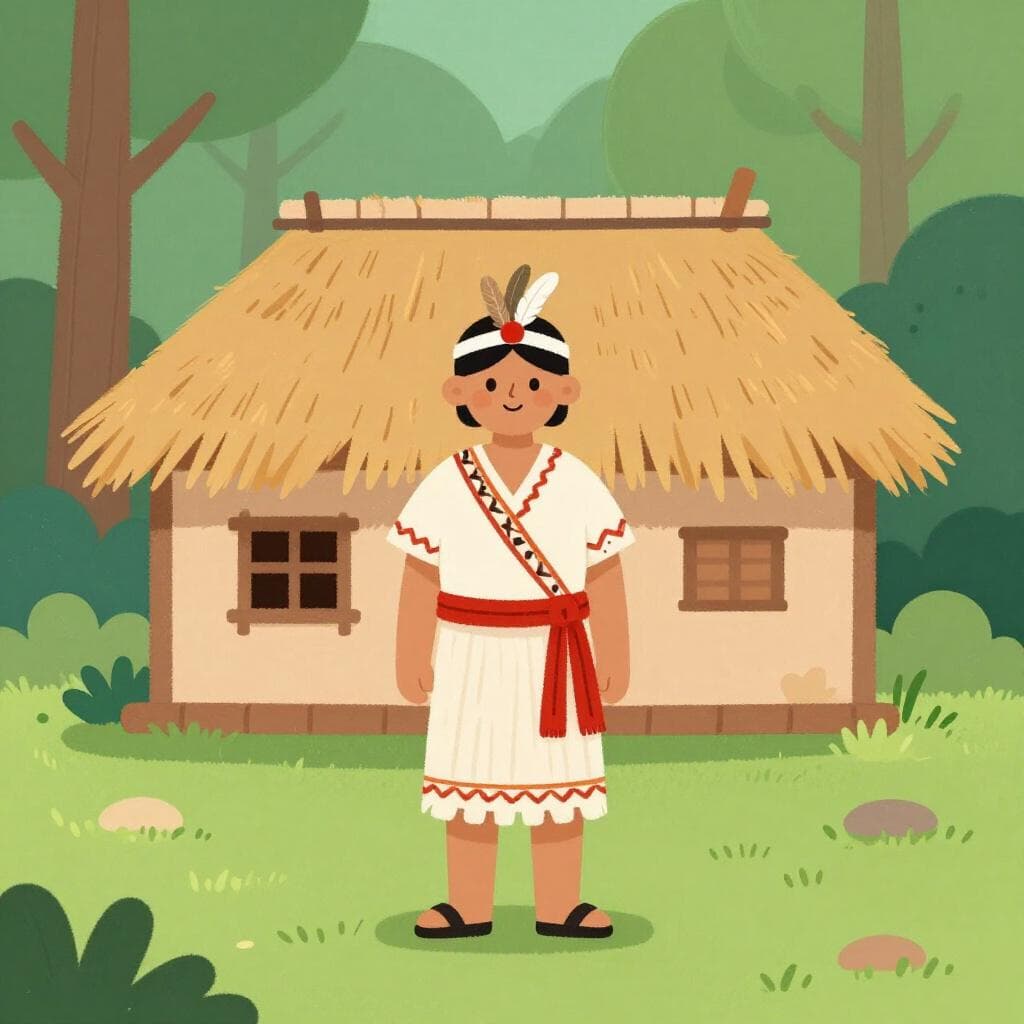
Debemos proteger los derechos de los pueblos originarios.
We must protect the rights of the indigenous peoples.
Muchos idiomas originarios todavía se hablan en la región.
Many native languages are still spoken in the region.
El museo tiene una gran colección de arte originario.
The museum has a large collection of indigenous art.
Using it as a Noun
While it is an adjective, in plural form ('los originarios'), it is sometimes used to refer directly to the people themselves, though 'pueblos originarios' is more common.
Sensitivity Note
Mistake: “Using 'indios' for native people.”
Correction: Use 'pueblos originarios' or 'indígenas'.
indios
EEN-dee-ohsˈindjos

Examples
Los textiles indios son famosos por sus colores brillantes.
Indigenous textiles are famous for their bright colors.
Estudiamos varios dialectos indios que están en peligro de extinción.
We are studying several native dialects that are in danger of extinction.
Agreement Rule
As an adjective, 'indios' must match the noun it describes in number (plural) and gender (masculine). For feminine plural nouns, use 'indias'.
materno
mah-TEHR-nohmaˈteɾno
Examples
Mis abuelos maternos son de México.
My maternal grandparents (on my mother's side) are from Mexico.
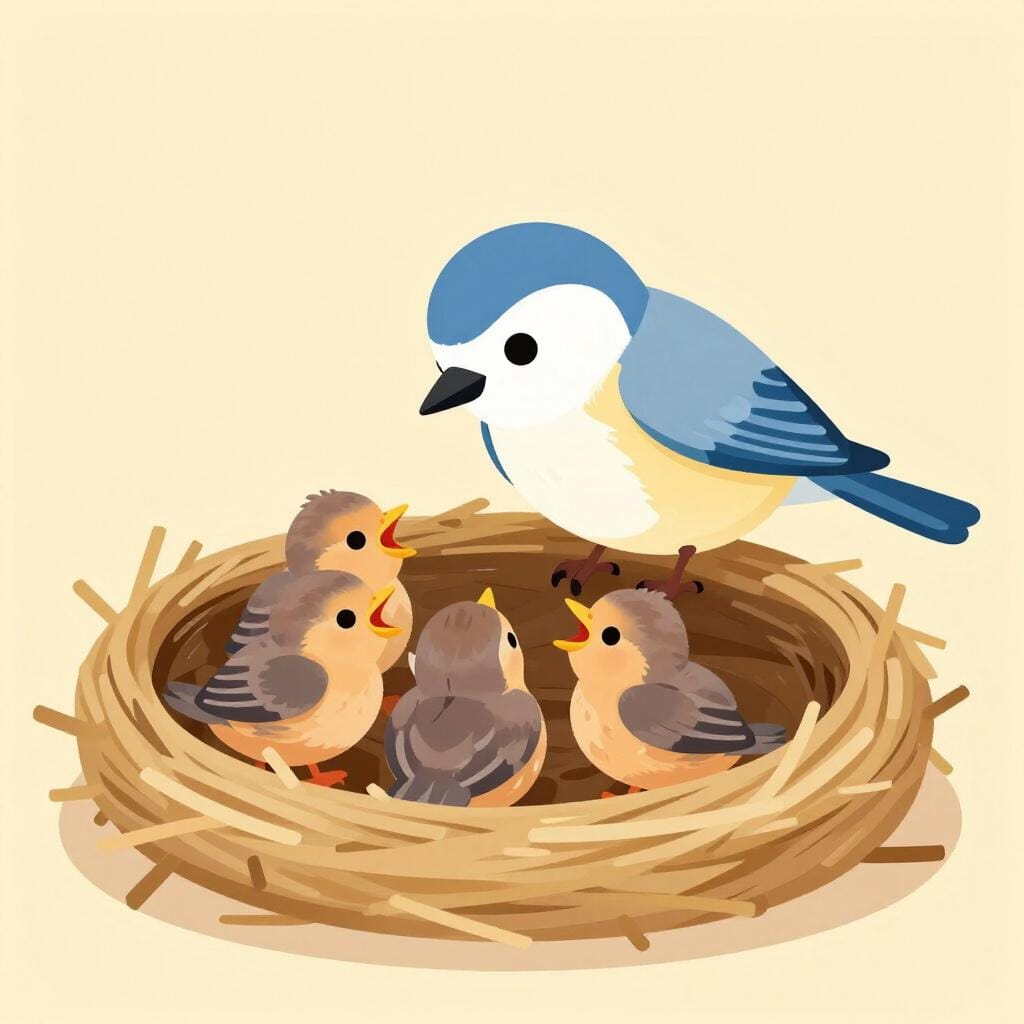
El español es mi lengua materna.
Spanish is my mother tongue (native language).
Ella tiene un instinto materno muy fuerte.
She has a very strong motherly instinct.
Matching the Noun
Since this is an adjective, it must change to 'materna' if the thing you are describing is feminine. For example: 'el abuelo materno' but 'la abuela materna'.
Placement
In Spanish, this word usually comes after the person or thing it describes. Say 'instinto materno,' not 'materno instinto.'
Confusing 'materno' with 'maternal'
Mistake: “Using 'maternal' to describe family sides, like 'mis abuelos maternales.'”
Correction: Use 'materno/a' for family sides. Say 'mis abuelos maternos.' While 'maternal' exists in Spanish, 'materno' is the standard way to identify the mother's side of the family.
naturales
nah-too-RAH-lesna.tuˈɾa.les

Examples
Necesitamos proteger los recursos naturales del planeta.
We need to protect the planet's natural resources.
Para ella, las matemáticas son naturales.
For her, mathematics comes naturally (is inherent).
Los colores de este cuadro son tan naturales.
The colors in this painting are so natural (realistic).
Adjective Agreement
Since 'naturales' is an adjective, it must agree in number (plural) with the noun it describes, regardless of whether the noun is masculine (recursos) or feminine (leyes).
Using the singular form
Mistake: “Los recursos natural.”
Correction: Los recursos naturales. Remember to make the adjective plural when the noun is plural.
Distinguishing 'nativo' and 'indígena'
Learn Spanish with Inklingo
Interactive stories, personalized learning, and more.