originario
“originario” means “originally from” in Spanish. It has 2 different meanings depending on context:

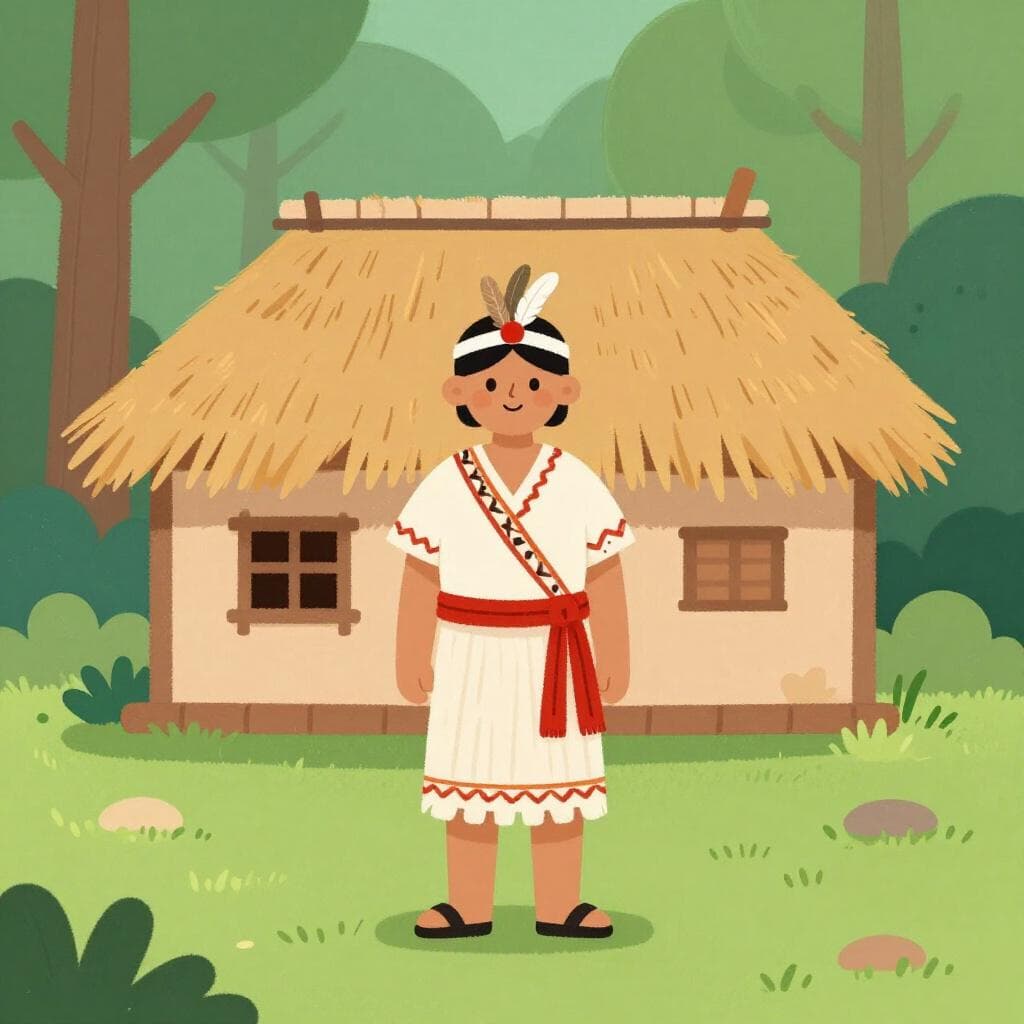
originally from
Also: native to
📝 In Action
Mi abuelo es originario de un pequeño pueblo en las montañas.
A2My grandfather is originally from a small town in the mountains.
Esta planta es originaria de África, pero crece bien aquí.
B1This plant is native to Africa, but it grows well here.
El chocolate es un producto originario de América.
B1Chocolate is a product originating from America.
indigenous
Also: native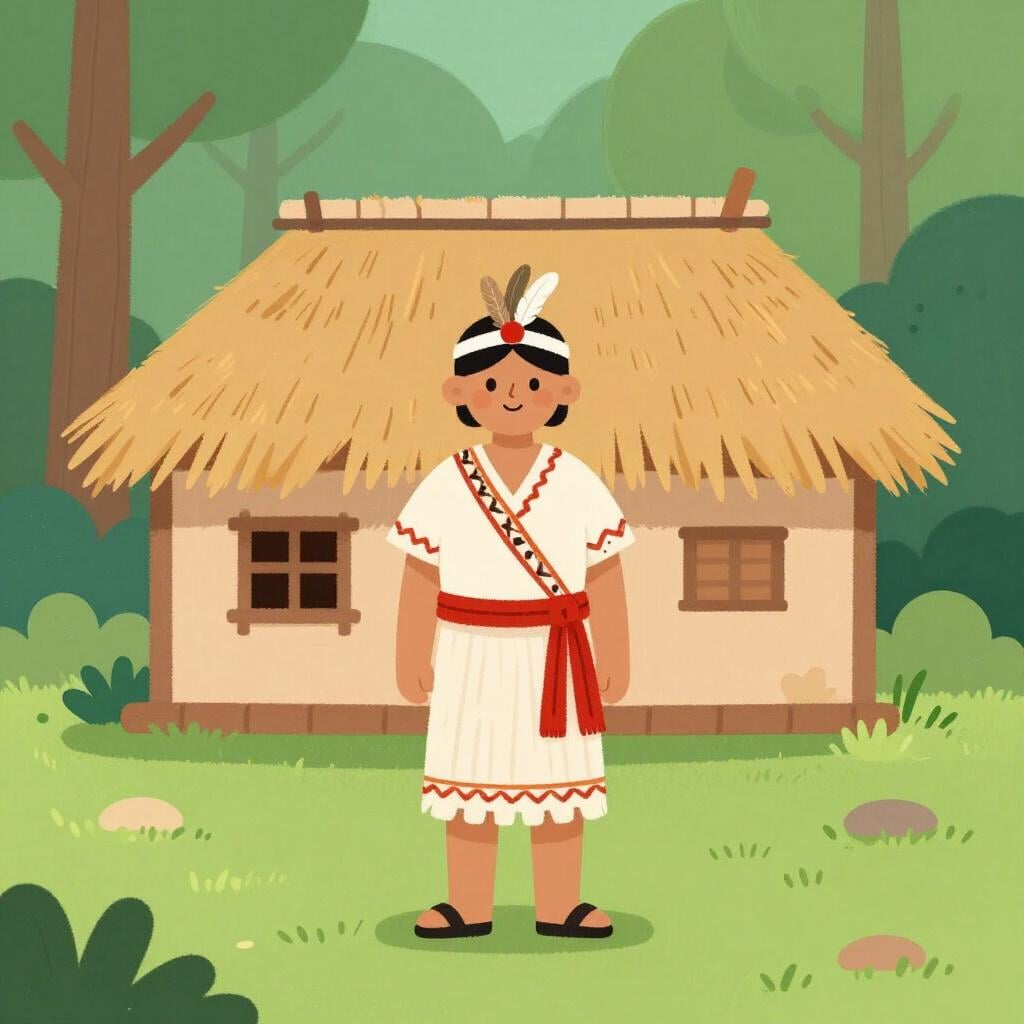
📝 In Action
Debemos proteger los derechos de los pueblos originarios.
B2We must protect the rights of the indigenous peoples.
Muchos idiomas originarios todavía se hablan en la región.
C1Many native languages are still spoken in the region.
El museo tiene una gran colección de arte originario.
B2The museum has a large collection of indigenous art.
Translate to Spanish
✏️ Quick Practice
Quick Quiz: originario
Question 1 of 3
Which sentence correctly says someone is from Spain?
📚 More Resources
👥 Word Family▼
🎵 Rhymes▼
📚 Etymology▼
From the Latin 'originarius', which comes from 'origo' (source, start, or birth). It shares the same root as the English word 'origin'.
First recorded: 15th century
Cognates (Related words)
💡 Master Spanish
Take your Spanish to the next level. Read 200+ illustrated and narrated Spanish stories tailored to your level with the Inklingo app!
Frequently Asked Questions
What is the difference between 'originario' and 'nativo'?
They are very similar! 'Nativo' is common for people (a native of New York), while 'originario' is slightly more formal and is used frequently for plants, animals, and products, as well as in a cultural-political sense for indigenous groups.
Do I need to change the ending for plural?
Yes! Use 'originarios' for masculine plural and 'originarias' for feminine plural. For example: 'Los tomates son originarios de América'.
Can I use 'originario' for a brand or company?
Yes. You can say 'Esta marca es originaria de Italia' to mean the brand started in Italy.