How to Say "indigenous" in Spanish
The most common Spanish word for “indigenous” is “indígena” — use 'indígena' when referring to the original inhabitants of a land or their cultures in a general, respectful, and modern context.

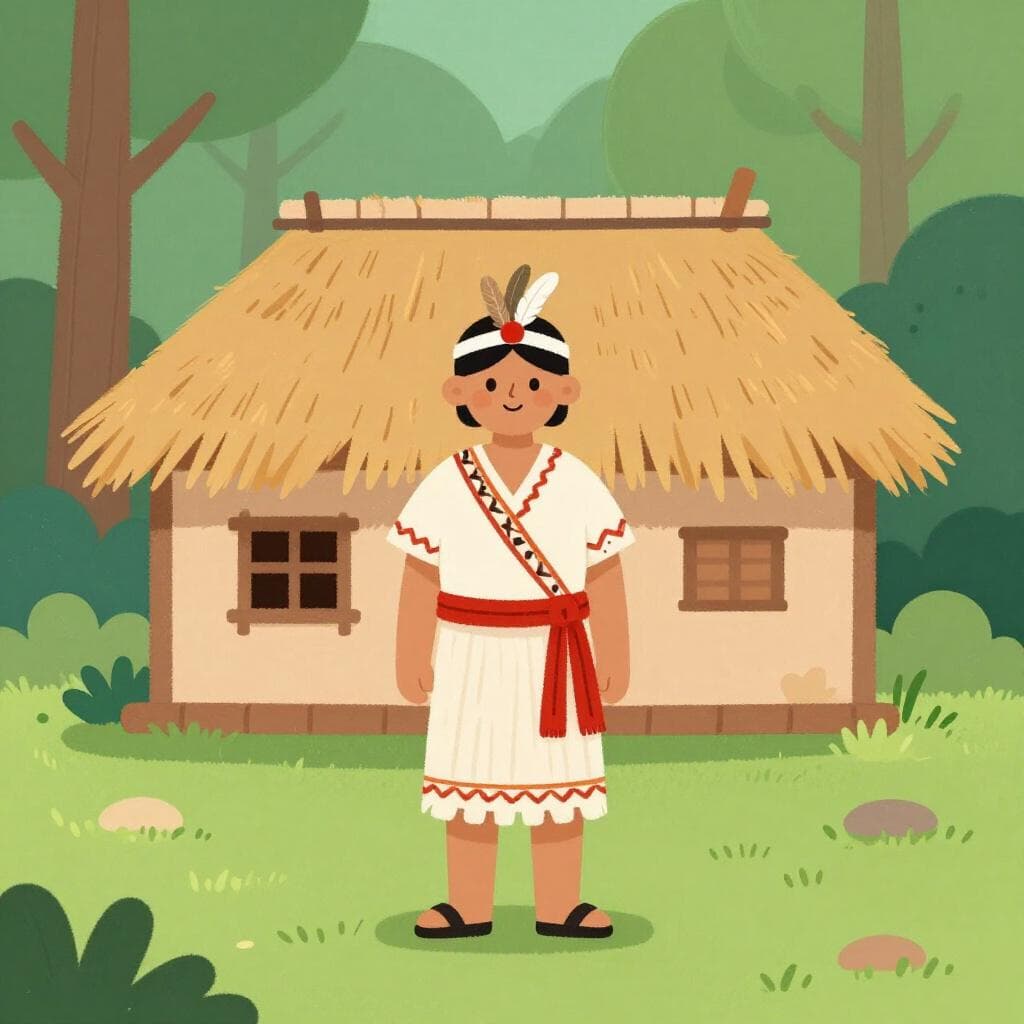
indígena
Examples
Me encanta visitar las comunidades indígenas.
I love visiting indigenous communities.
indio
IN-dyohˈin.djo
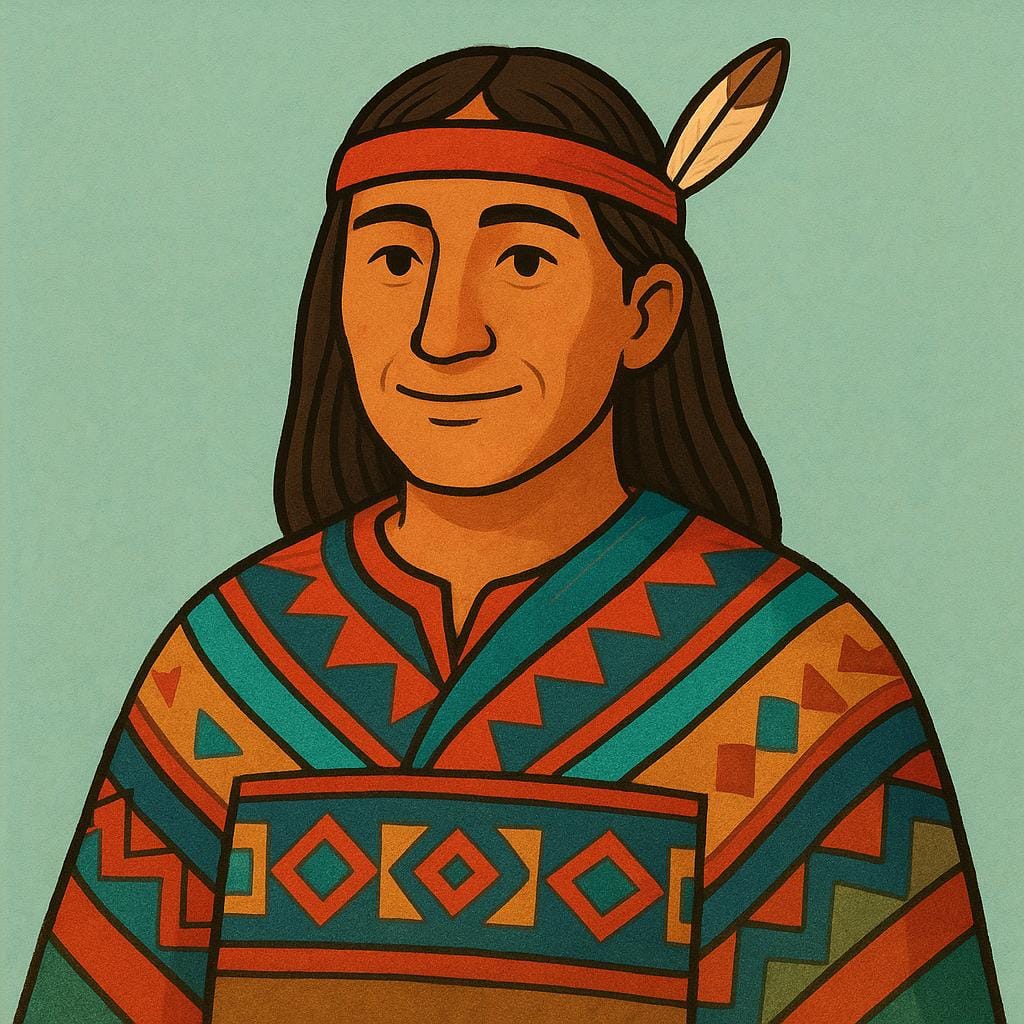
Examples
Mi abuela tiene raíces indias y está orgullosa de su cultura.
My grandmother has indigenous roots and is proud of her culture.
Compramos té indio muy aromático en la tienda.
We bought very aromatic Indian tea at the store.
Adjective Agreement
Like most Spanish adjectives, 'indio' must match the thing it describes in number (singular/plural) and gender (masculine/feminine): 'chico indio' (indigenous boy), 'cultura india' (indigenous culture).
Confusing India and the Americas
Mistake: “Using 'indio' without context and confusing people from India with indigenous people from Latin America.”
Correction: Context is key. If referring to India, specify 'de la India' if needed for clarity. In many Latin American contexts, 'indígena' is often preferred for native peoples.
originario
oh-ree-hee-nah-ryohoɾixiˈnaɾjo

Examples
Debemos proteger los derechos de los pueblos originarios.
We must protect the rights of the indigenous peoples.
Muchos idiomas originarios todavía se hablan en la región.
Many native languages are still spoken in the region.
El museo tiene una gran colección de arte originario.
The museum has a large collection of indigenous art.
Using it as a Noun
While it is an adjective, in plural form ('los originarios'), it is sometimes used to refer directly to the people themselves, though 'pueblos originarios' is more common.
Sensitivity Note
Mistake: “Using 'indios' for native people.”
Correction: Use 'pueblos originarios' or 'indígenas'.
General vs. Specific Use
Related Translations
Learn Spanish with Inklingo
Interactive stories, personalized learning, and more.