How to Say "local" in Spanish
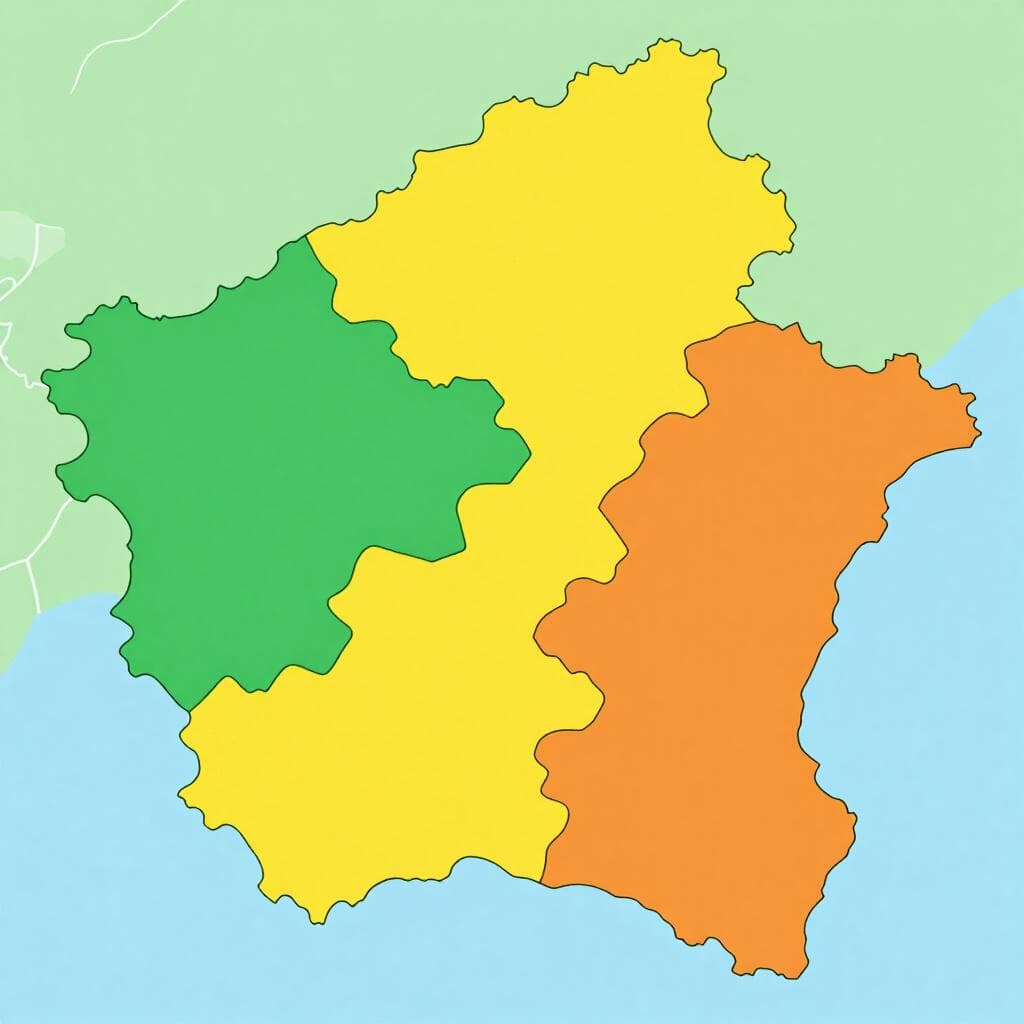
The most common Spanish word for “local” is “local” — use this word when referring to something that is near, in the immediate vicinity, or not imported or touristy.






local
lo-CALloˈkal

Examples
Queremos probar la comida local, no la turística.
We want to try the local food, not the touristy stuff.
La oficina central está en Madrid, pero tenemos muchas sucursales locales.
The main office is in Madrid, but we have many local branches.
Pregúntale a un local, seguro que conoce el camino más corto.
Ask a local, surely they know the shortest way.
Las locales siempre saben dónde comprar mejor.
The local women/residents always know where to shop best.
Stays the Same
Unlike many Spanish adjectives, 'local' ends in -L and is the same for masculine and feminine nouns. The plural is always 'locales'.
Used Like an Adjective
This noun is formed by using the adjective (Definition 1) alone. You can say 'el local' (the male local) or 'la local' (the female local), but remember the adjective form never changes its ending to -a.
Don't Change the Ending
Mistake: “La escuela locala.”
Correction: La escuela local. (It doesn't end in 'a' for feminine nouns.)
local
lo-CALloˈkal
Examples
Pregúntale a un local, seguro que conoce el camino más corto.
Ask a local, surely they know the shortest way.
Queremos probar la comida local, no la turística.
We want to try the local food, not the touristy stuff.
La oficina central está en Madrid, pero tenemos muchas sucursales locales.
The main office is in Madrid, but we have many local branches.
Las locales siempre saben dónde comprar mejor.
The local women/residents always know where to shop best.
Stays the Same
Unlike many Spanish adjectives, 'local' ends in -L and is the same for masculine and feminine nouns. The plural is always 'locales'.
Used Like an Adjective
This noun is formed by using the adjective (Definition 1) alone. You can say 'el local' (the male local) or 'la local' (the female local), but remember the adjective form never changes its ending to -a.
Don't Change the Ending
Mistake: “La escuela locala.”
Correction: La escuela local. (It doesn't end in 'a' for feminine nouns.)
regional
reh-hyoh-NAHLre.xjo.ˈnal
Examples
Me encanta probar la comida regional cuando viajo.
I love trying the regional food when I travel.
El tren regional sale cada media hora.
The regional train leaves every half hour.
Hay mucha diversidad regional en este país.
There is a lot of regional diversity in this country.
One word for both genders
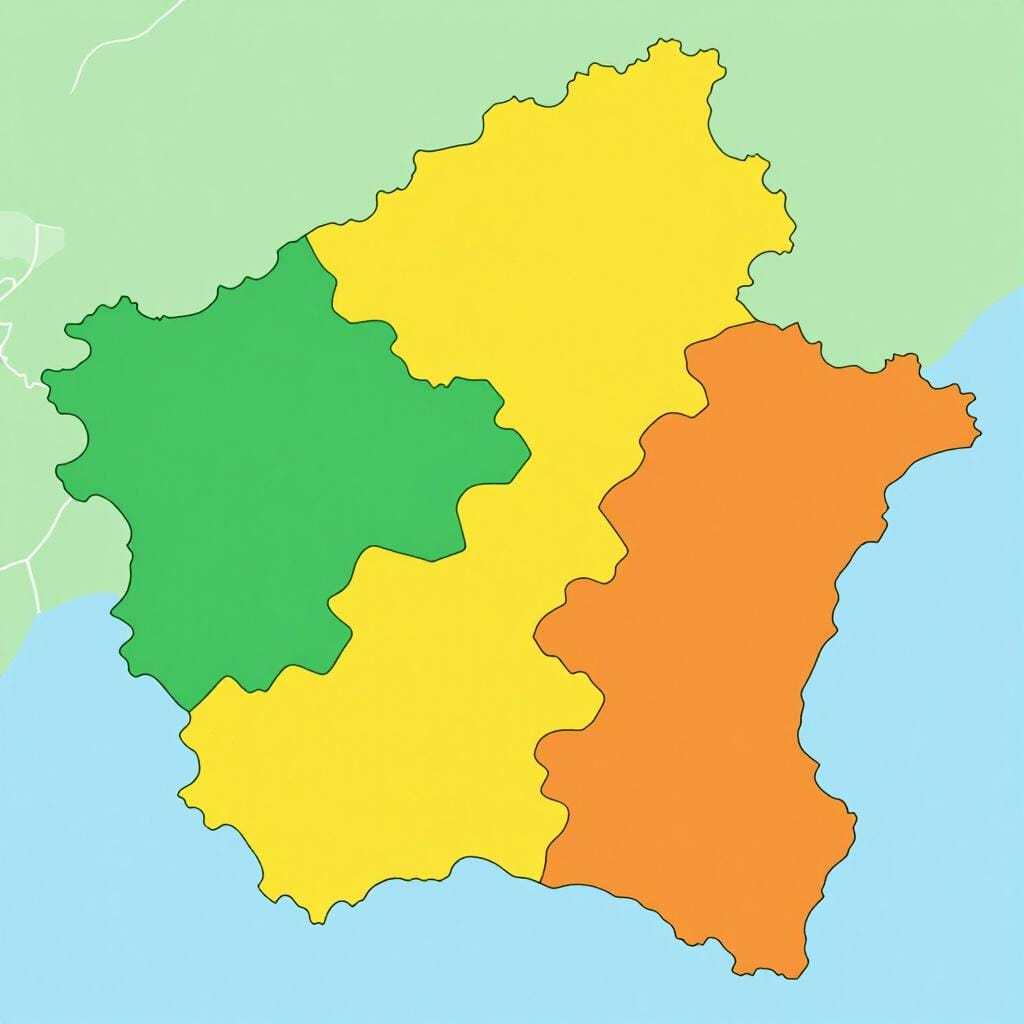
This word is a 'double agent'—it stays exactly the same whether you are describing a masculine or feminine thing. You can say 'el plato regional' or 'la zona regional'.
Making it plural
To talk about more than one thing, just add '-es' to the end: 'los productos regionales'.
The 'Regionala' Trap
Mistake: “La música regionala.”
Correction: La música regional. Why? Because words ending in -al don't change to -a for feminine things; they keep the -al ending for everyone.
comunitario
ko-moo-nee-ta-ryokomuniˈtaɾjo

Examples
El centro comunitario está abierto todos los días.
The community center is open every day.
Participamos en un proyecto comunitario para plantar árboles.
We are participating in a community project to plant trees.
Es importante fomentar el espíritu comunitario en el barrio.
It is important to encourage community spirit in the neighborhood.
Matching the Noun
Since this word ends in '-o', it must change to '-a' when describing feminine things (una labor comunitaria) and add an '-s' for plural things (proyectos comunitarios).
Placement
In Spanish, this word usually comes after the thing it is describing, unlike in English where 'community' comes first (e.g., 'community center' becomes 'centro comunitario').
Word Order Flip
Mistake: “El comunitario centro.”
Correction: El centro comunitario. In Spanish, the noun (the thing) almost always comes before the adjective (the description).
municipal
/moo-nee-thee-PAL/ (Spain) or /moo-nee-see-PAL/ (LatAm)muniθiˈpal

Examples
La biblioteca municipal abre a las nueve.
The municipal library opens at nine.
Necesitas un permiso municipal para construir eso.
You need a city permit to build that.
El presupuesto municipal se discutirá en la reunión de mañana.
The city budget will be discussed in tomorrow's meeting.
One Form for All
This word is the same for both masculine and feminine things. You can say 'el parque municipal' (masculine) and 'la plaza municipal' (feminine) without changing the ending.
Placement is Key
In Spanish, this word almost always follows the thing it is describing. While English says 'city council,' Spanish says 'consejo municipal.'
Avoid saying 'Municipala'
Mistake: “La policía municipala.”
Correction: La policía municipal. Words ending in -al don't change to -a for feminine items.
criollo
kree-OH-yohkɾiˈoʝo

Examples
Me encanta la comida criolla de este restaurante.
I love the local traditional food from this restaurant.
El vals criollo es un baile muy elegante.
The traditional creole waltz is a very elegant dance.
Tienen un estilo muy criollo para decorar su casa.
They have a very traditional local style for decorating their house.
Matching with Nouns
This word changes its ending based on what you are describing. Use 'criollo' for masculine items (el pan criollo) and 'criolla' for feminine items (la comida criolla).
Descriptive Position
Like most adjectives in Spanish that describe a quality, place 'criollo' after the thing you are talking about.
Confusing with 'Creole'
Mistake: “Using 'criollo' only to mean the English concept of Louisiana Creole.”
Correction: In Spanish, 'criollo' is a much broader term that simply means 'local' or 'traditional' to many Latin American countries.
nativo
na-TEE-bohnaˈtiβo

Examples
Los nativos de la isla conocen bien las corrientes del mar.
The natives of the island know the sea currents well.
Es un nativo digital; nació con una tableta en la mano.
He is a digital native; he was born with a tablet in his hand.
Entrevistamos a varios nativos para conocer la historia del pueblo.
We interviewed several locals to learn the history of the town.
Person Descriptions
When referring to a person, use 'el nativo' for a man and 'la nativa' for a woman.
Avoiding Offense
Mistake: “Calling everyone in a rural area a 'nativo'.”
Correction: In some contexts, 'nativo' can sound a bit old-fashioned or clinical. Use 'la gente de aquí' (the people from here) or 'los lugareños' (the locals) to sound more natural and friendly.
natural
nah-too-RAHLna.tuˈɾal
Examples
Mi abuelo es natural de un pequeño pueblo costero.
My grandfather is a native of a small coastal town.
Los naturales de la isla recibieron a los visitantes con una danza tradicional.
The natives (or local inhabitants) of the island greeted the visitors with a traditional dance.
Noun Use
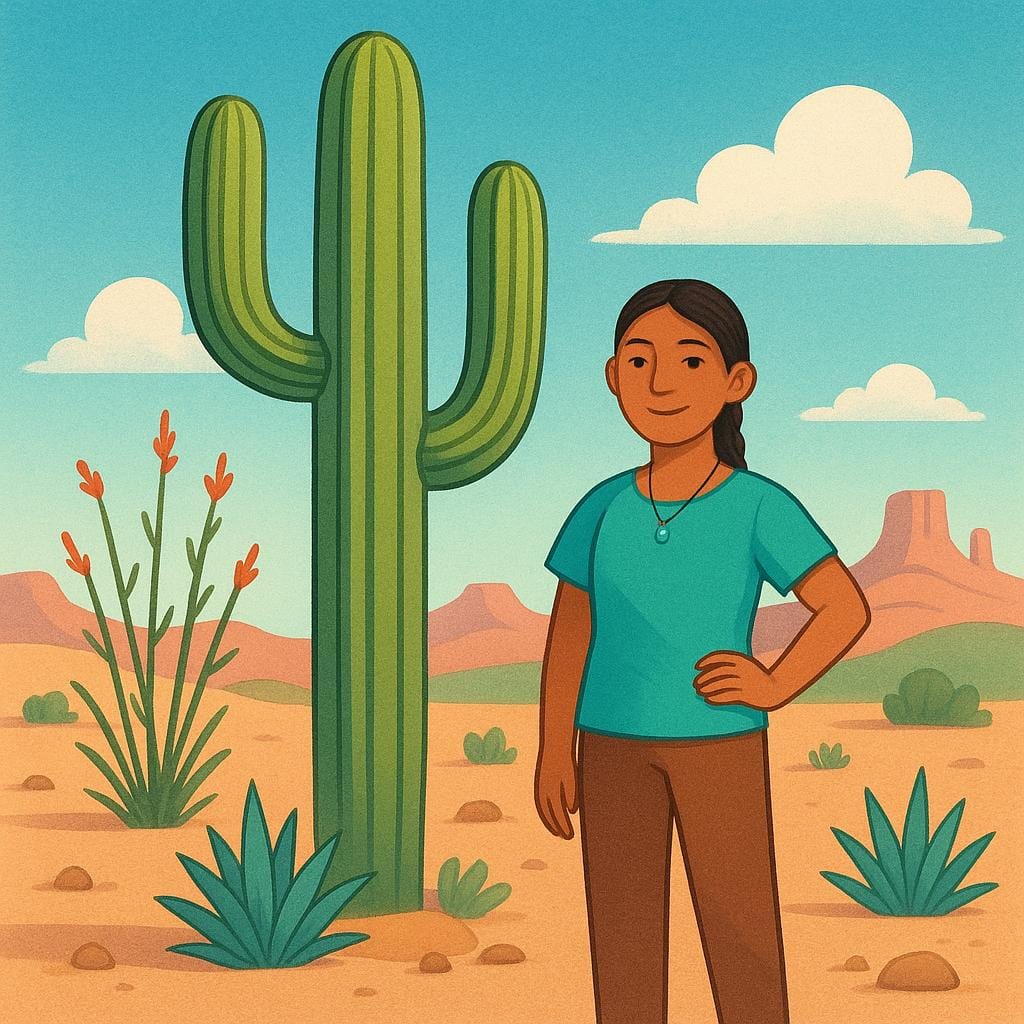
When used as a noun, 'natural' means 'person from that place.' Remember to use the appropriate article: 'el natural' (male native) or 'la natural' (female native).
tópico
Examples
Esta crema es de uso tópico solamente.
This cream is for topical use only.
Local vs. Regional vs. Native
Related Translations
Learn Spanish with Inklingo
Interactive stories, personalized learning, and more.