How to Say "resident" in Spanish
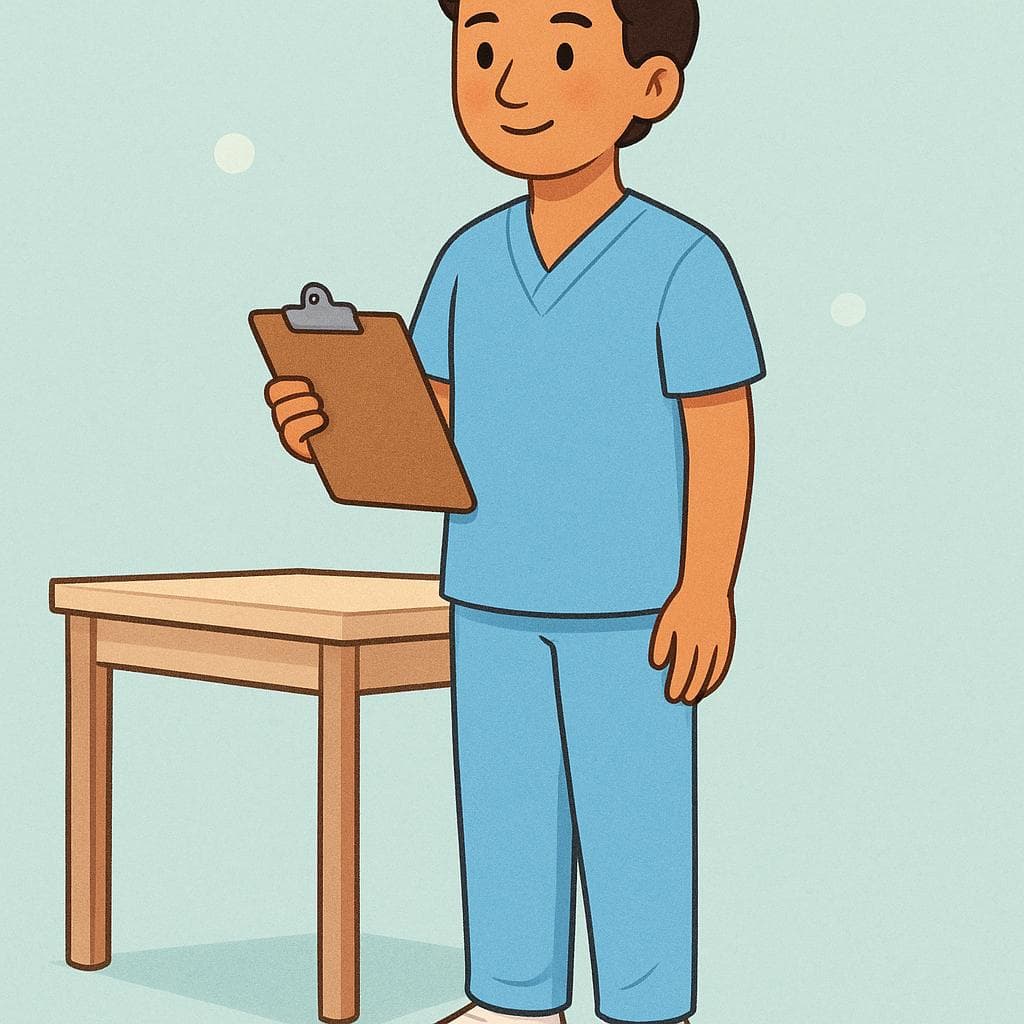
The most common Spanish word for “resident” is “residente” — use this word for a person who lives in a specific place, like an apartment building or a city. It can also refer to a doctor undergoing specialized training in a hospital.




residente
reh-see-DEHN-tehresiˈðente

Examples
Soy residente de este edificio.
I am a resident of this building.
Los residentes del barrio están felices.
The residents of the neighborhood are happy.
El médico residente trabaja muchas horas.
The medical resident works many hours.
La población residente ha crecido.
The resident population has grown.
One word for everyone
This word doesn't change its ending for men or women. You just change the word 'the' in front: 'el residente' for a man and 'la residente' for a woman.
Adjective placement
Like most adjectives in Spanish, put 'residente' after the noun it describes.
Avoid 'residenta'
Mistake: “Calling a woman 'la residenta'.”
Correction: Use 'la residente'. While 'residenta' exists in some old dictionaries, 'la residente' is the natural, modern way to say it.
habitante
ah-bee-TAN-tehaβiˈtante

Examples
Madrid tiene más de tres millones de habitantes.
Madrid has more than three million inhabitants.
El jaguar es un habitante importante de la selva.
The jaguar is an important inhabitant of the jungle.
Todos los habitantes deben reciclar para cuidar el planeta.
All residents must recycle to take care of the planet.
One word for everyone
The word 'habitante' doesn't change its ending for men or women. Use 'el habitante' for a man and 'la habitante' for a woman.
Talking about populations
While 'residente' is often used for legal status or specific addresses, 'habitante' is the standard word used for population statistics of cities and countries.
Don't say 'habitanta'
Mistake: “La habitanta de la casa.”
Correction: La habitante de la casa. This word always ends in 'e' regardless of gender.
vecino
veh-SEE-nohbeˈθino

Examples
Mi vecino me ayudó a cargar las cajas.
My neighbor helped me carry the boxes.
Los vecinos se quejaron por el ruido de la fiesta.
The neighbors complained about the party noise.
Todos los vecinos del barrio asistieron a la reunión municipal.
All the residents of the neighborhood attended the municipal meeting.
Gender Match
Since this is a noun referring to a person, it changes form depending on the person's gender: 'vecino' (male) and 'vecina' (female).
Confusing Noun and Location
Mistake: “Usar 'vecindario' para hablar de una persona. (e.g., 'Mi vecindario es amable.')”
Correction: Use 'vecino' or 'vecina' for the person. 'Vecindario' means the place (neighborhood). Say: 'Mi vecino es amable.'
local
lo-CALloˈkal

Examples
Pregúntale a un local, seguro que conoce el camino más corto.
Ask a local, surely they know the shortest way.
Las locales siempre saben dónde comprar mejor.
The local women/residents always know where to shop best.
Used Like an Adjective
This noun is formed by using the adjective (Definition 1) alone. You can say 'el local' (the male local) or 'la local' (the female local), but remember the adjective form never changes its ending to -a.
residente
reh-see-DEHN-tehresiˈðente
Examples
La población residente ha crecido.
The resident population has grown.
Soy residente de este edificio.
I am a resident of this building.
Los residentes del barrio están felices.
The residents of the neighborhood are happy.
El médico residente trabaja muchas horas.
The medical resident works many hours.
One word for everyone
This word doesn't change its ending for men or women. You just change the word 'the' in front: 'el residente' for a man and 'la residente' for a woman.
Adjective placement
Like most adjectives in Spanish, put 'residente' after the noun it describes.
Avoid 'residenta'
Mistake: “Calling a woman 'la residenta'.”
Correction: Use 'la residente'. While 'residenta' exists in some old dictionaries, 'la residente' is the natural, modern way to say it.
interno
een-TEHR-nohinˈteɾno
Examples
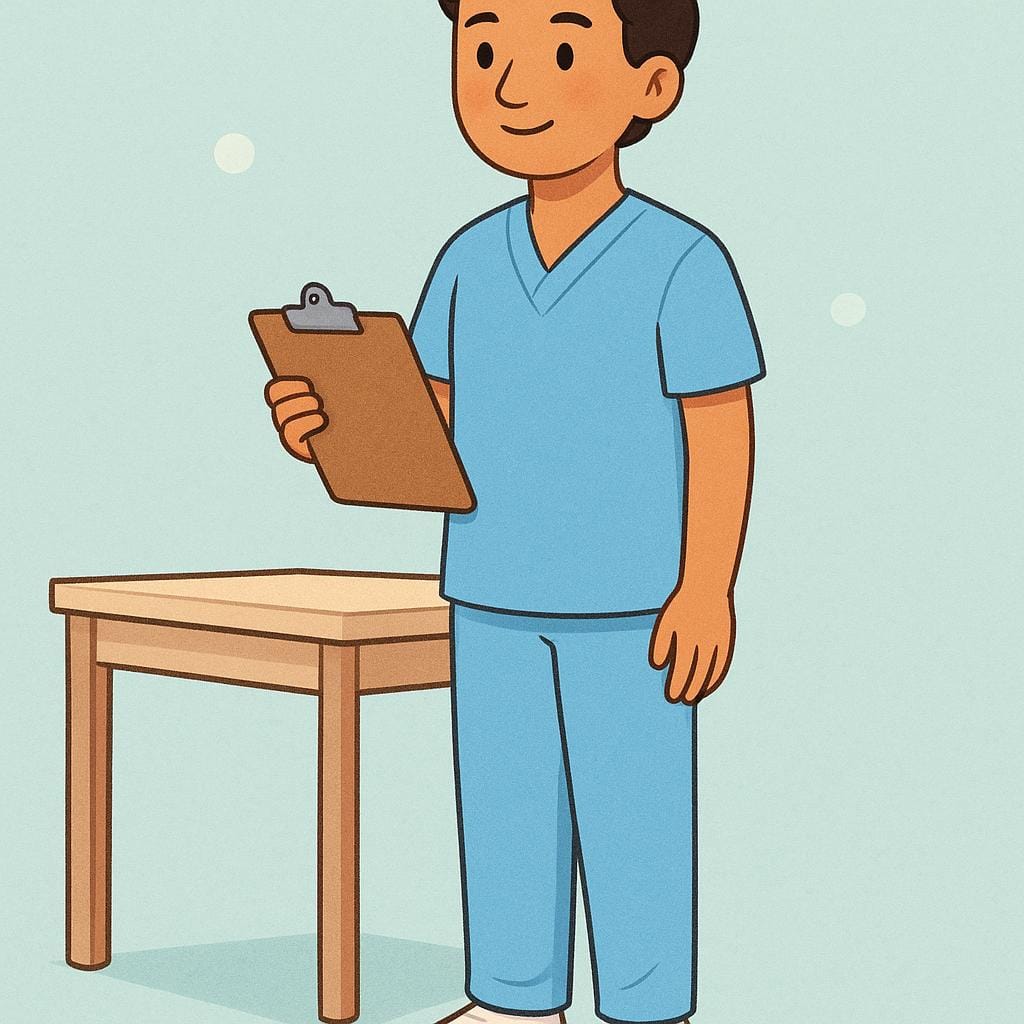
El interno de cirugía trabaja 60 horas a la semana.
The surgical intern (or resident) works 60 hours a week.
Todos los internos del colegio deben seguir las reglas estrictamente.
All the boarders at the school must follow the rules strictly.
Mañana le preguntaré al interno sobre mis resultados.
Tomorrow I will ask the resident about my results.
Using the Feminine Form
When referring to a female person who is an intern or resident, the word changes to 'la interna'.
Confusing 'Interno' with 'Becario'
Mistake: “Using 'interno' for a general office intern or trainee who doesn't live at the workplace.”
Correction: For standard office trainees or unpaid apprenticeships, 'becario' or 'pasante' is usually better. 'Interno' often implies living within the institution (like a hospital or boarding school).
residente
reh-see-DEHN-tehresiˈðente
Examples
El médico residente trabaja muchas horas.
The medical resident works many hours.
Soy residente de este edificio.
I am a resident of this building.
Los residentes del barrio están felices.
The residents of the neighborhood are happy.
La población residente ha crecido.
The resident population has grown.
One word for everyone
This word doesn't change its ending for men or women. You just change the word 'the' in front: 'el residente' for a man and 'la residente' for a woman.
Adjective placement
Like most adjectives in Spanish, put 'residente' after the noun it describes.
Avoid 'residenta'
Mistake: “Calling a woman 'la residenta'.”
Correction: Use 'la residente'. While 'residenta' exists in some old dictionaries, 'la residente' is the natural, modern way to say it.
Resident vs. Neighbor
Related Translations
Learn Spanish with Inklingo
Interactive stories, personalized learning, and more.