How to Say "regional" in Spanish
The most common Spanish word for “regional” is “regional” — use this word when referring to something generally related to a specific area or region, often in the context of culture, food, or traditions.
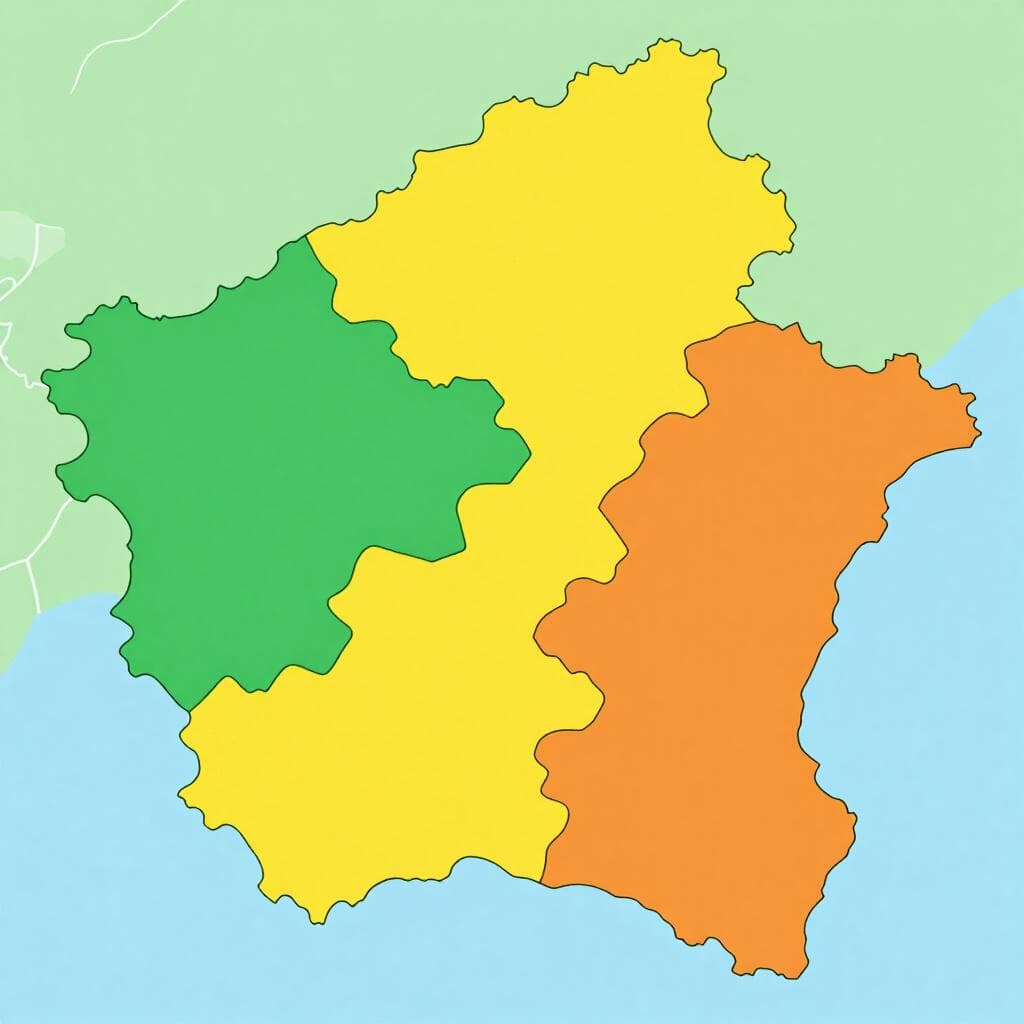


regional
reh-hyoh-NAHLre.xjo.ˈnal
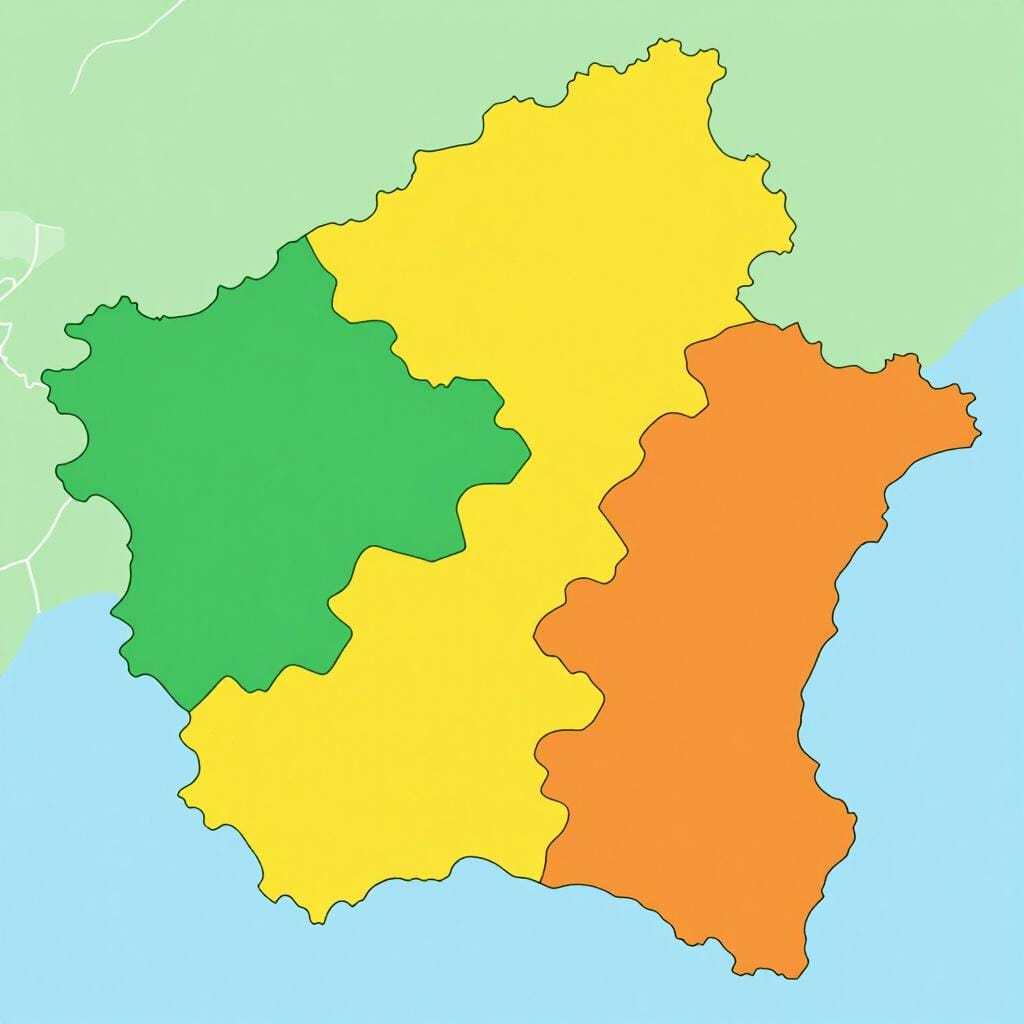
Examples
Me encanta probar la comida regional cuando viajo.
I love trying the regional food when I travel.
El tren regional sale cada media hora.
The regional train leaves every half hour.
Hay mucha diversidad regional en este país.
There is a lot of regional diversity in this country.
One word for both genders
This word is a 'double agent'—it stays exactly the same whether you are describing a masculine or feminine thing. You can say 'el plato regional' or 'la zona regional'.
Making it plural
To talk about more than one thing, just add '-es' to the end: 'los productos regionales'.
The 'Regionala' Trap
Mistake: “La música regionala.”
Correction: La música regional. Why? Because words ending in -al don't change to -a for feminine things; they keep the -al ending for everyone.
local
lo-CALloˈkal

Examples
Queremos probar la comida local, no la turística.
We want to try the local food, not the touristy stuff.
La oficina central está en Madrid, pero tenemos muchas sucursales locales.
The main office is in Madrid, but we have many local branches.
Stays the Same
Unlike many Spanish adjectives, 'local' ends in -L and is the same for masculine and feminine nouns. The plural is always 'locales'.
Don't Change the Ending
Mistake: “La escuela locala.”
Correction: La escuela local. (It doesn't end in 'a' for feminine nouns.)
provincial
pro-been-SYALpɾoβinˈθjal
Examples
El gobierno provincial está arreglando las carreteras.
The provincial government is fixing the roads.
Ella trabaja en la oficina provincial de correos.
She works in the provincial post office.
Muchas leyes provinciales son diferentes a las nacionales.
Many provincial laws are different from the national ones.
Adjective Position
In Spanish, 'provincial' usually comes after the noun it describes, like 'gobierno provincial' (government provincial).
One Form for Both Genders
This word doesn't change for men or women; you say 'un mapa provincial' (masculine) and 'una ley provincial' (feminine).
The Plural Form
Mistake: “las leyes provincials”
Correction: las leyes provinciales (because words ending in 'l' need 'es' to become plural).
territorial
te-rree-toh-ryahlte.ri.toˈrjal

Examples
Los dos países tienen una disputa territorial por la isla.
The two countries have a territorial dispute over the island.
El plan busca mejorar la organización territorial del estado.
The plan seeks to improve the regional organization of the state.
Las aguas territoriales se extienden doce millas mar adentro.
Territorial waters extend twelve miles offshore.
One Form for Everyone
This word doesn't change based on gender. You use 'territorial' for both masculine and feminine nouns (e.g., 'el conflicto territorial' and 'la zona territorial').
Word Order
Like most descriptive words in Spanish, 'territorial' almost always comes after the noun it is describing.
Avoid adding -a
Mistake: “La zona territoriala.”
Correction: La zona territorial. Adjectives ending in -al keep the same ending for both masculine and feminine nouns.
autonómico
Examples
Mañana se celebran las elecciones autonómicas.
The regional elections are being held tomorrow.
Regional vs. Local
Related Translations
Learn Spanish with Inklingo
Interactive stories, personalized learning, and more.