How to Say "store" in Spanish
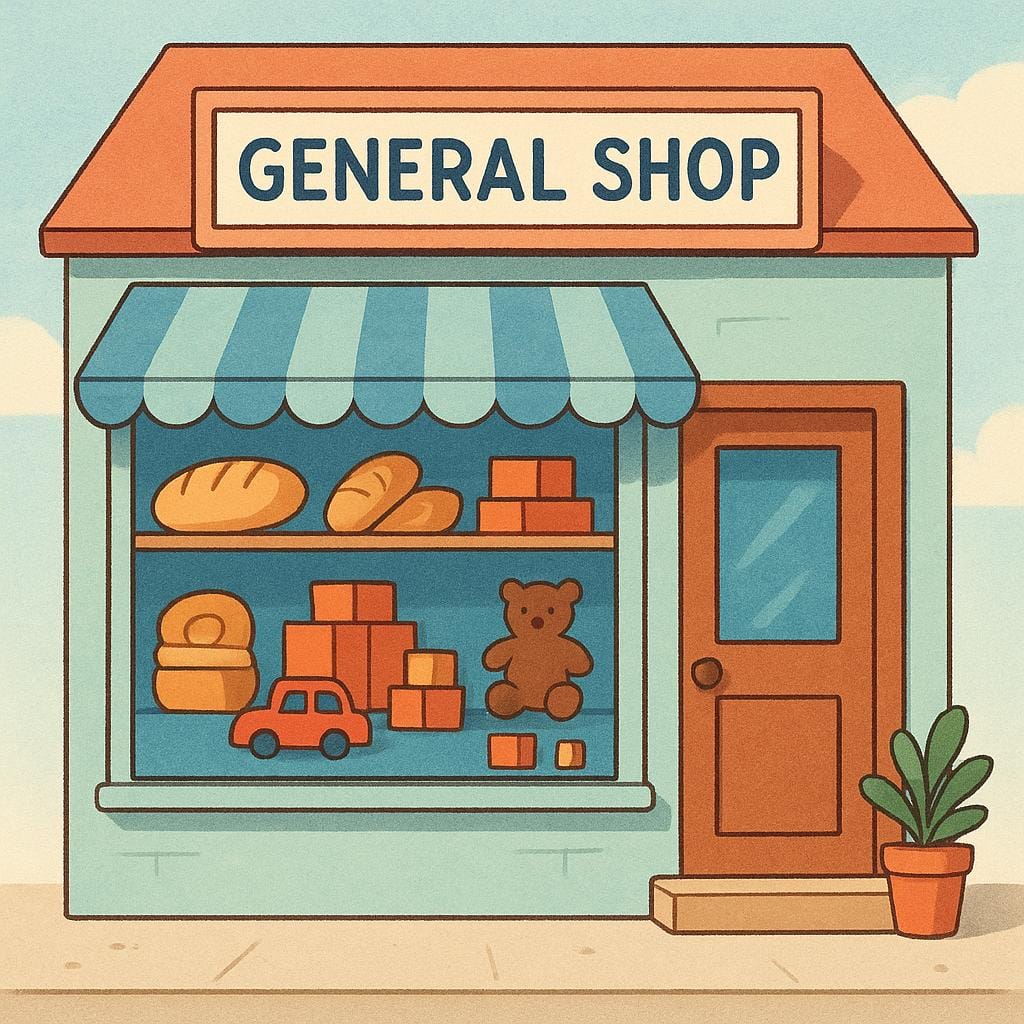
The most common Spanish word for “store” is “tienda” — use 'tienda' as the most general and common word for 'store,' similar to how 'shop' or 'store' is used in everyday American English for various retail places.
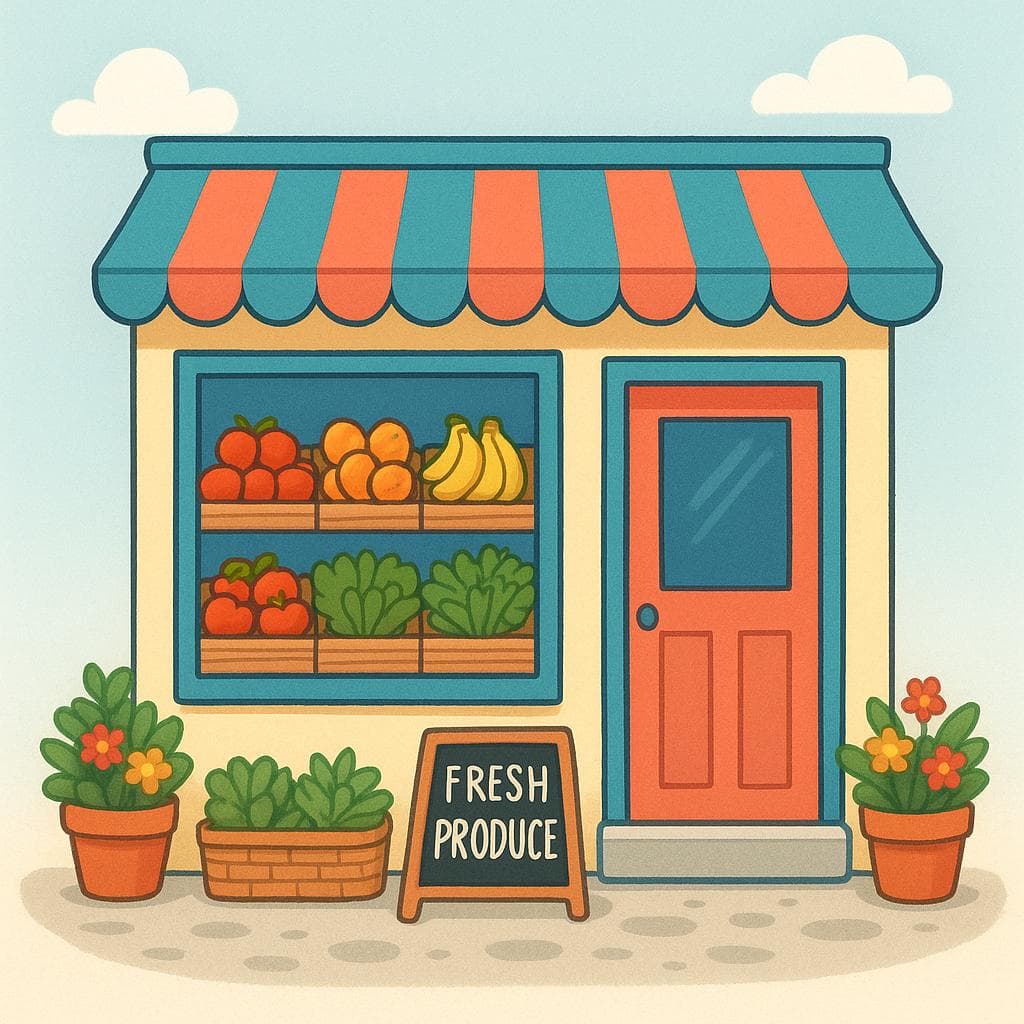


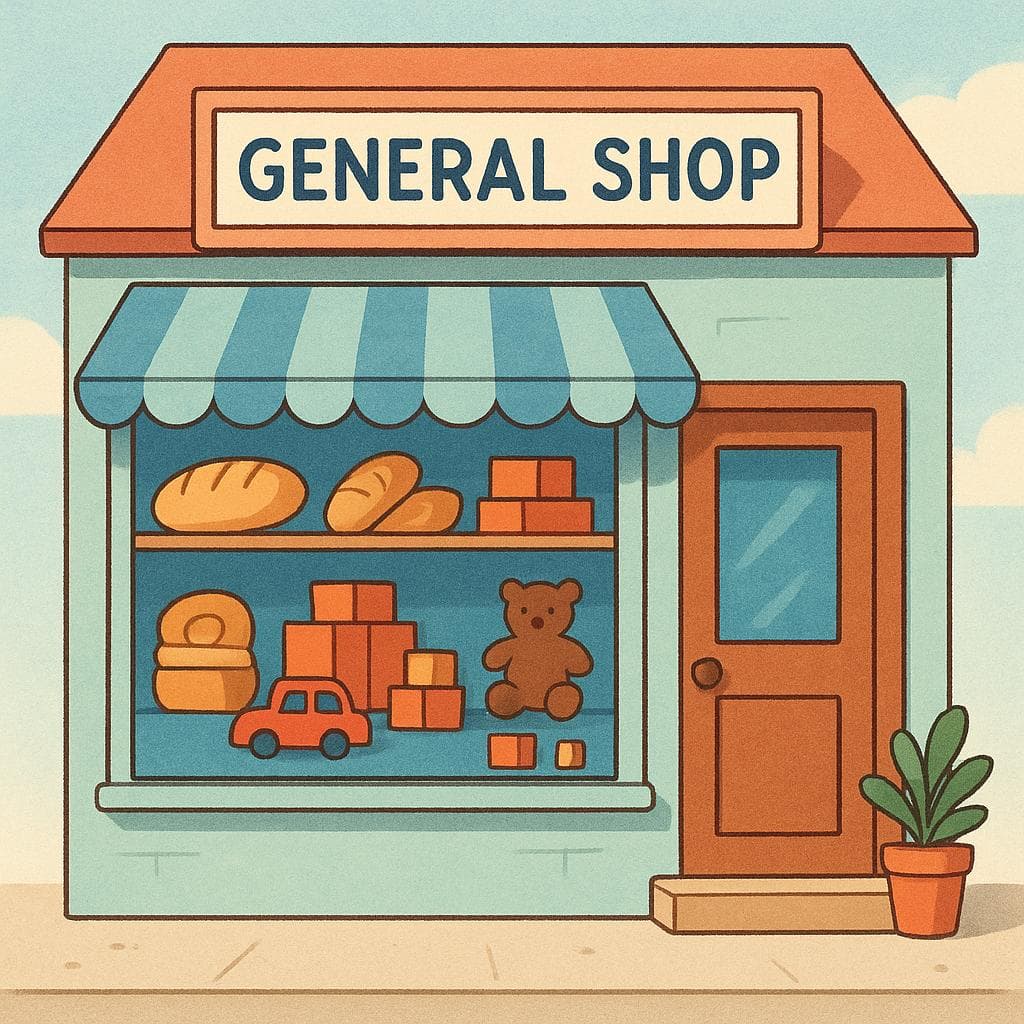

tienda
tyen-daˈtjenda

Examples
Voy a la tienda a comprar leche.
I'm going to the store to buy milk.
Mi hermana trabaja en una tienda de ropa.
My sister works in a clothing shop.
Muchas tiendas del centro cierran los domingos.
Many shops downtown close on Sundays.
Always Feminine: 'La Tienda'
Remember that 'tienda' is a feminine word. This means you'll almost always see it with 'la' (the) or 'una' (a) before it. For example, 'La tienda está cerrada' (The store is closed).
The Place vs. The Activity
Mistake: “Me gusta tienda.”
Correction: To say you like the activity of shopping, use the phrase 'Me gusta ir de tiendas.' 'Tienda' is just the place, not the action.
negocio
neh-GO-syoneˈɣo.sjo
Examples
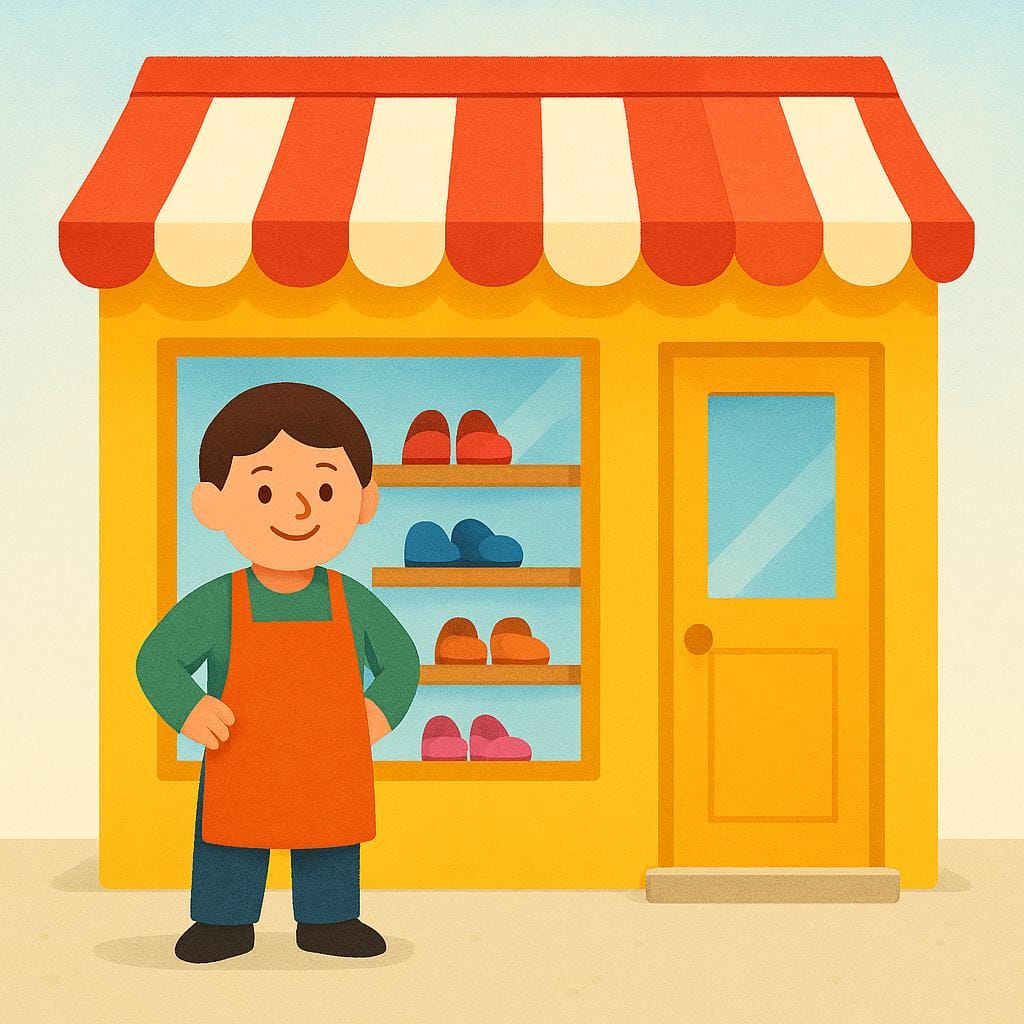
Mi tío tiene un negocio de zapatos en el centro.
My uncle has a shoe business downtown.
Abrir un negocio propio es mi sueño.
Opening my own business is my dream.
El negocio de la esquina vende frutas frescas.
The store on the corner sells fresh fruit.
Always Masculine
Even though it ends in 'o', it's good to remember that 'negocio' is always a masculine word. So, you'll always say 'el negocio' (the business) or 'un negocio' (a business).
'Negocio' vs. 'Empresa'
Mistake: “Quiero trabajar en un negocio grande.”
Correction: Quiero trabajar en una empresa grande. 'Negocio' is very general and often suggests a smaller shop or operation. For a large company or corporation, 'empresa' is a better fit.
mercado
mer-KAH-dohmeɾˈkado

Examples
Vamos al mercado para comprar frutas frescas.
We are going to the market to buy fresh fruits.
El mercado central está abierto hasta las seis de la tarde.
The central market is open until six in the evening.
Masculine Noun
Remember that 'mercado' is always masculine, so use 'el' (the) or 'un' (a) with it: 'el mercado' or 'un mercado'.
local
lo-CALloˈkal

Examples
Alquilamos un local muy grande para poner la panadería.
We rented a very large premises/space to set up the bakery.
El local donde se celebró la fiesta era precioso.
The venue where the party was held was beautiful.
Busco un local comercial en el centro de la ciudad.
I am looking for a commercial premises in the city center.
Always Masculine
When referring to a commercial space or venue, 'local' is always masculine: 'el local', 'los locales'.
almacén
Examples
Fui al almacén de la esquina a comprar leche y pan.
I went to the corner store to buy milk and bread.
comercio
koh-mehr-syohkoˈmeɾsjo
Examples
Hay un nuevo comercio de ropa en la esquina.
There is a new clothing shop on the corner.
Los pequeños comercios están sufriendo por la crisis.
Small businesses (shops) are suffering due to the crisis.
Singular vs. Plural
You can use 'comercios' (plural) to talk about many stores, just like 'tiendas' (stores).
Confusing the Place and the Activity
Mistake: “¿Dónde está el comercio de la ciudad? (meaning 'Where is the city's trade?')”
Correction: To ask for the shopping area, say: '¿Dónde está la zona comercial?' (Where is the commercial zone?) or '¿Dónde están los comercios?' (Where are the shops?).
establecimiento
es-tah-bleh-see-myehn-tohestaβlesiˈmjento

Examples
Este establecimiento está abierto las veinticuatro horas.
This establishment is open twenty-four hours a day.
No se permite fumar dentro del establecimiento.
Smoking is not allowed inside the establishment.
Es un establecimiento familiar fundado en 1950.
It is a family business founded in 1950.
Always Masculine
Even though it refers to a shop (una tienda), the word itself is masculine. Always use 'el' or 'un'.
A Formal Alternative
Use this word when you want to sound more professional than just saying 'tienda' (shop) or 'restaurante'.
Confusing with 'The Establishment'
Mistake: “Using it to mean 'the people in power' like in English politics.”
Correction: In Spanish, use 'el sistema' or 'el poder establecido' for that political concept.
General vs. Specific 'Store'
Related Translations
Learn Spanish with Inklingo
Interactive stories, personalized learning, and more.