How to Say "shop" in Spanish
The most common Spanish word for “shop” is “tienda” — use 'tienda' as the most general and common term for a shop or store, especially for everyday purchases like groceries or clothing. It's widely understood across the Spanish-speaking world.


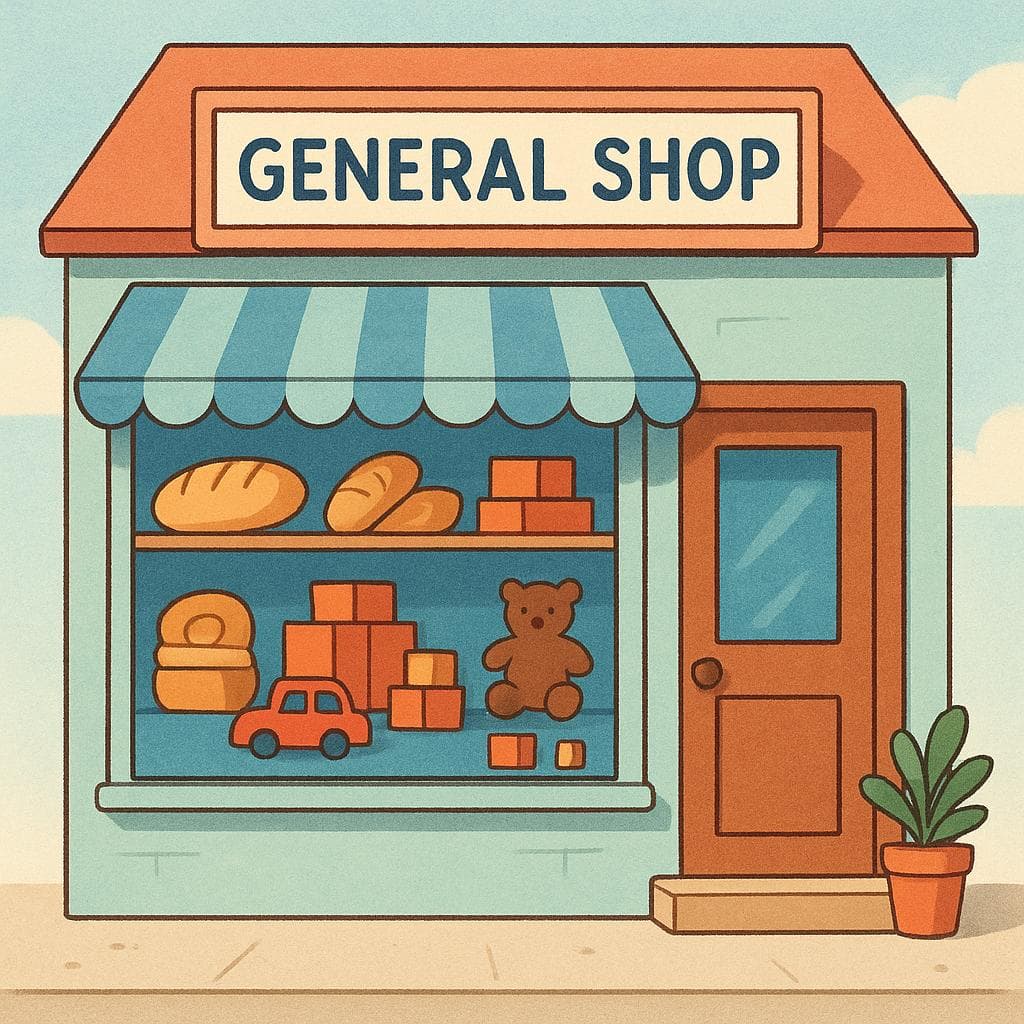
tienda
tyen-daˈtjenda

Examples
Voy a la tienda a comprar leche.
I'm going to the store to buy milk.
Mi hermana trabaja en una tienda de ropa.
My sister works in a clothing shop.
Muchas tiendas del centro cierran los domingos.
Many shops downtown close on Sundays.
Always Feminine: 'La Tienda'
Remember that 'tienda' is a feminine word. This means you'll almost always see it with 'la' (the) or 'una' (a) before it. For example, 'La tienda está cerrada' (The store is closed).
The Place vs. The Activity
Mistake: “Me gusta tienda.”
Correction: To say you like the activity of shopping, use the phrase 'Me gusta ir de tiendas.' 'Tienda' is just the place, not the action.
negocio
neh-GO-syoneˈɣo.sjo

Examples
Mi tío tiene un negocio de zapatos en el centro.
My uncle has a shoe business downtown.
Abrir un negocio propio es mi sueño.
Opening my own business is my dream.
El negocio de la esquina vende frutas frescas.
The store on the corner sells fresh fruit.
Always Masculine
Even though it ends in 'o', it's good to remember that 'negocio' is always a masculine word. So, you'll always say 'el negocio' (the business) or 'un negocio' (a business).
'Negocio' vs. 'Empresa'
Mistake: “Quiero trabajar en un negocio grande.”
Correction: Quiero trabajar en una empresa grande. 'Negocio' is very general and often suggests a smaller shop or operation. For a large company or corporation, 'empresa' is a better fit.
comercio
koh-mehr-syohkoˈmeɾsjo
Examples
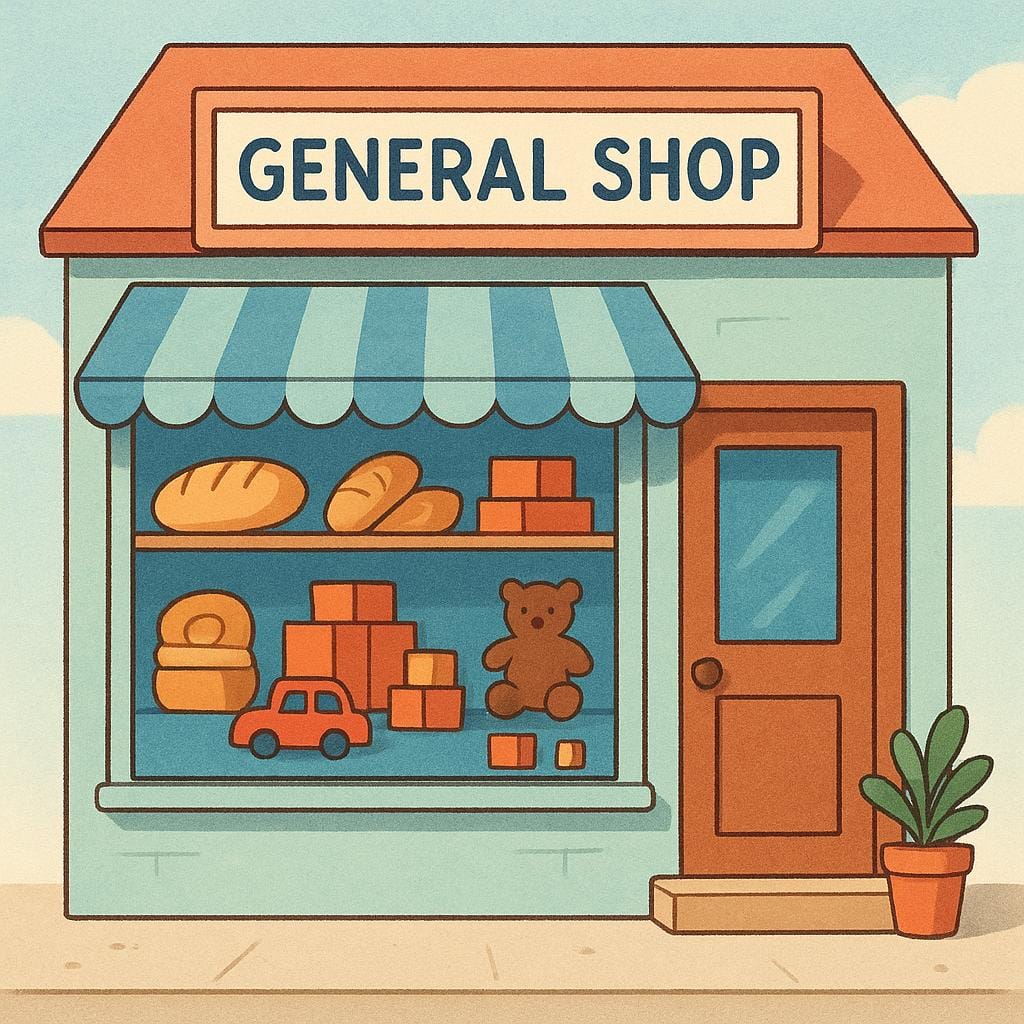
Hay un nuevo comercio de ropa en la esquina.
There is a new clothing shop on the corner.
Los pequeños comercios están sufriendo por la crisis.
Small businesses (shops) are suffering due to the crisis.
Singular vs. Plural
You can use 'comercios' (plural) to talk about many stores, just like 'tiendas' (stores).
Confusing the Place and the Activity
Mistake: “¿Dónde está el comercio de la ciudad? (meaning 'Where is the city's trade?')”
Correction: To ask for the shopping area, say: '¿Dónde está la zona comercial?' (Where is the commercial zone?) or '¿Dónde están los comercios?' (Where are the shops?).
General vs. Specific Shop Terms
Learn Spanish with Inklingo
Interactive stories, personalized learning, and more.