How to Say "nightmare" in Spanish
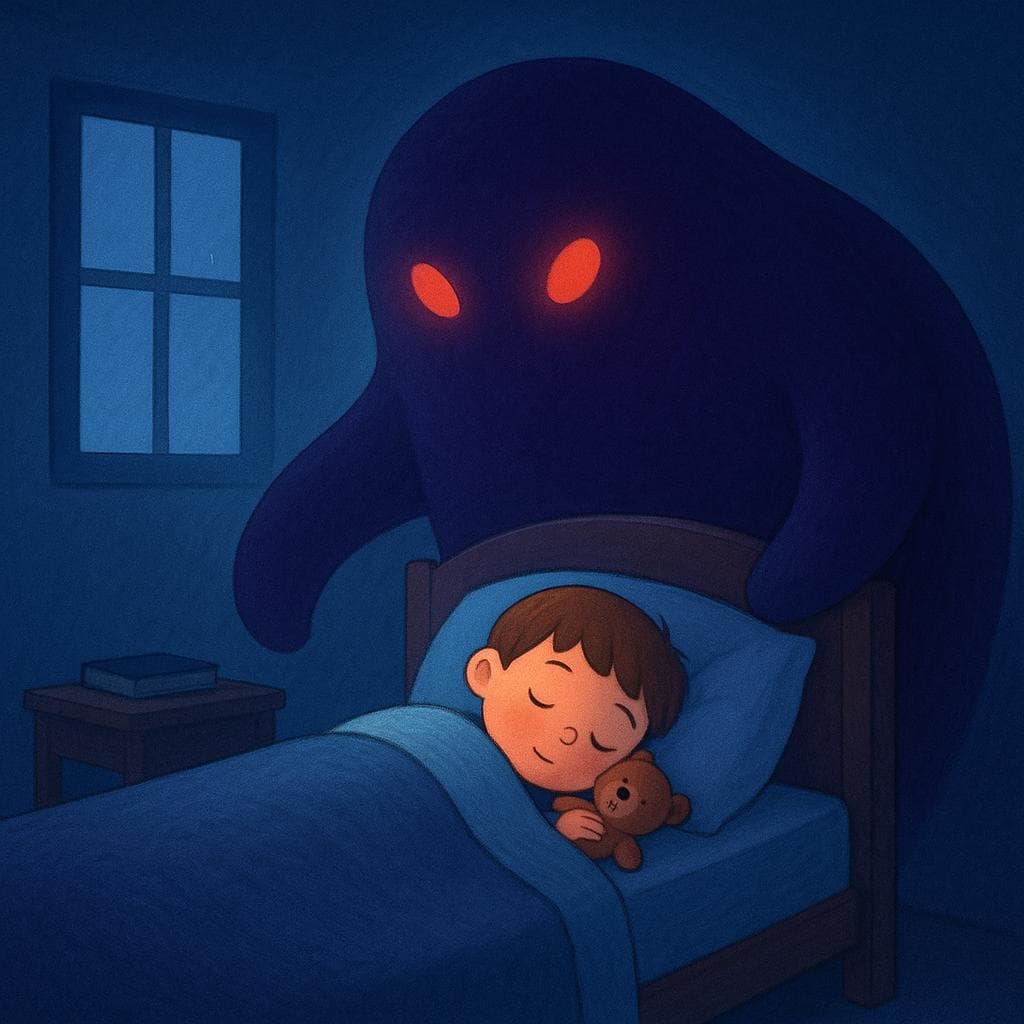
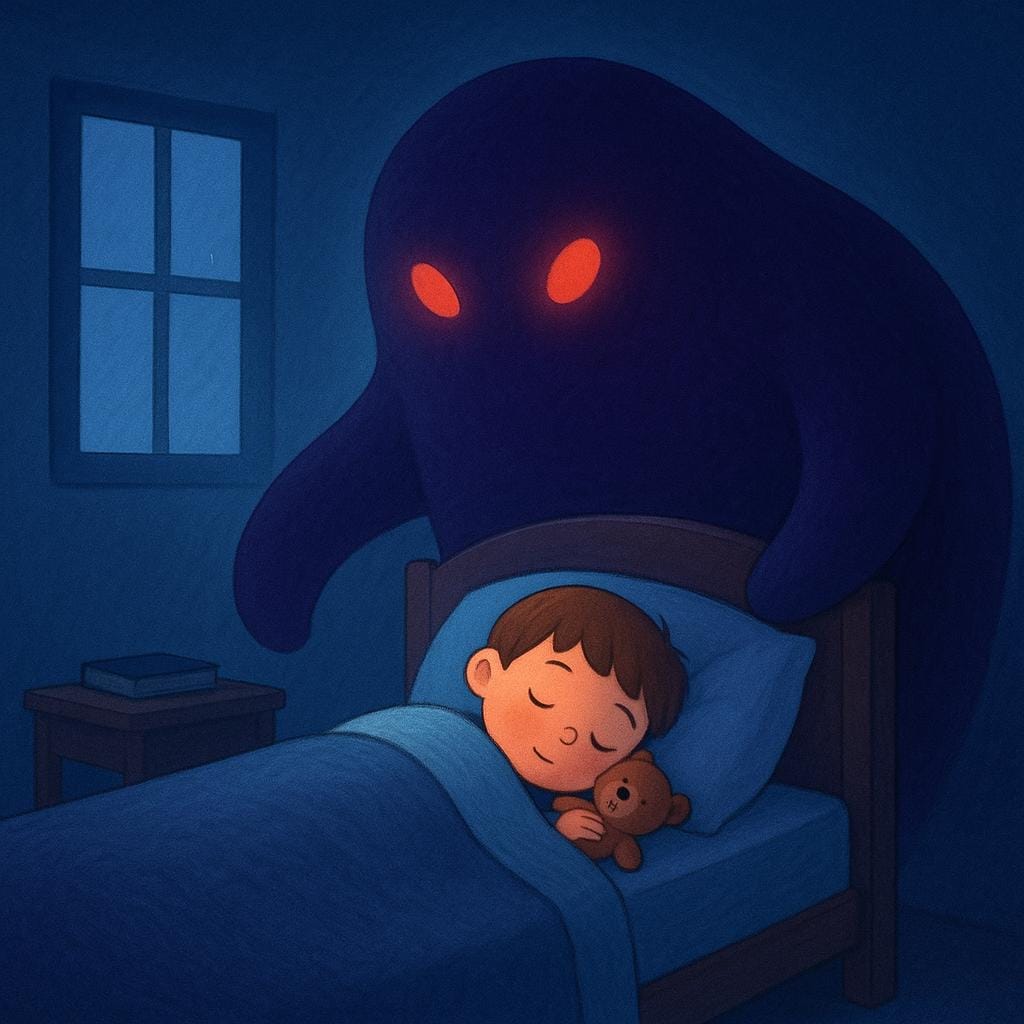
The most common Spanish word for “nightmare” is “pesadilla” — use 'pesadilla' when referring to a frightening or disturbing dream you had while sleeping, or a very difficult and stressful situation.
pesadilla
peh-sah-DEE-yahpesaˈðiʎa
Examples
Anoche tuve una pesadilla muy vívida donde me perseguía un monstruo.
Last night I had a very vivid nightmare where a monster was chasing me.
Cuando era niño, las pesadillas me daban mucho miedo y lloraba.
When I was a child, nightmares scared me a lot and I would cry.
Intentar conseguir los permisos fue una pesadilla burocrática.
Trying to get the permits was a bureaucratic nightmare.
La construcción de la casa se convirtió en una pesadilla financiera para ellos.
The construction of the house turned into a financial nightmare for them.
Gender is Fixed
'Pesadilla' is always feminine, so use 'la' or 'una' before it, even though the word 'peso' (weight) is masculine.
Using 'Ser' and 'Convertirse'
When referring to a situation, you often use 'ser' (to be) or 'convertirse en' (to turn into): 'Es una pesadilla' or 'Se convirtió en una pesadilla'.
pesadilla
peh-sah-DEE-yahpesaˈðiʎa
Examples
Intentar conseguir los permisos fue una pesadilla burocrática.
Trying to get the permits was a bureaucratic nightmare.
Anoche tuve una pesadilla muy vívida donde me perseguía un monstruo.
Last night I had a very vivid nightmare where a monster was chasing me.
Cuando era niño, las pesadillas me daban mucho miedo y lloraba.
When I was a child, nightmares scared me a lot and I would cry.
La construcción de la casa se convirtió en una pesadilla financiera para ellos.
The construction of the house turned into a financial nightmare for them.
Gender is Fixed
'Pesadilla' is always feminine, so use 'la' or 'una' before it, even though the word 'peso' (weight) is masculine.
Using 'Ser' and 'Convertirse'
When referring to a situation, you often use 'ser' (to be) or 'convertirse en' (to turn into): 'Es una pesadilla' or 'Se convirtió en una pesadilla'.
infierno
in-FYEHR-nohinˈfjeɾ.no
Examples
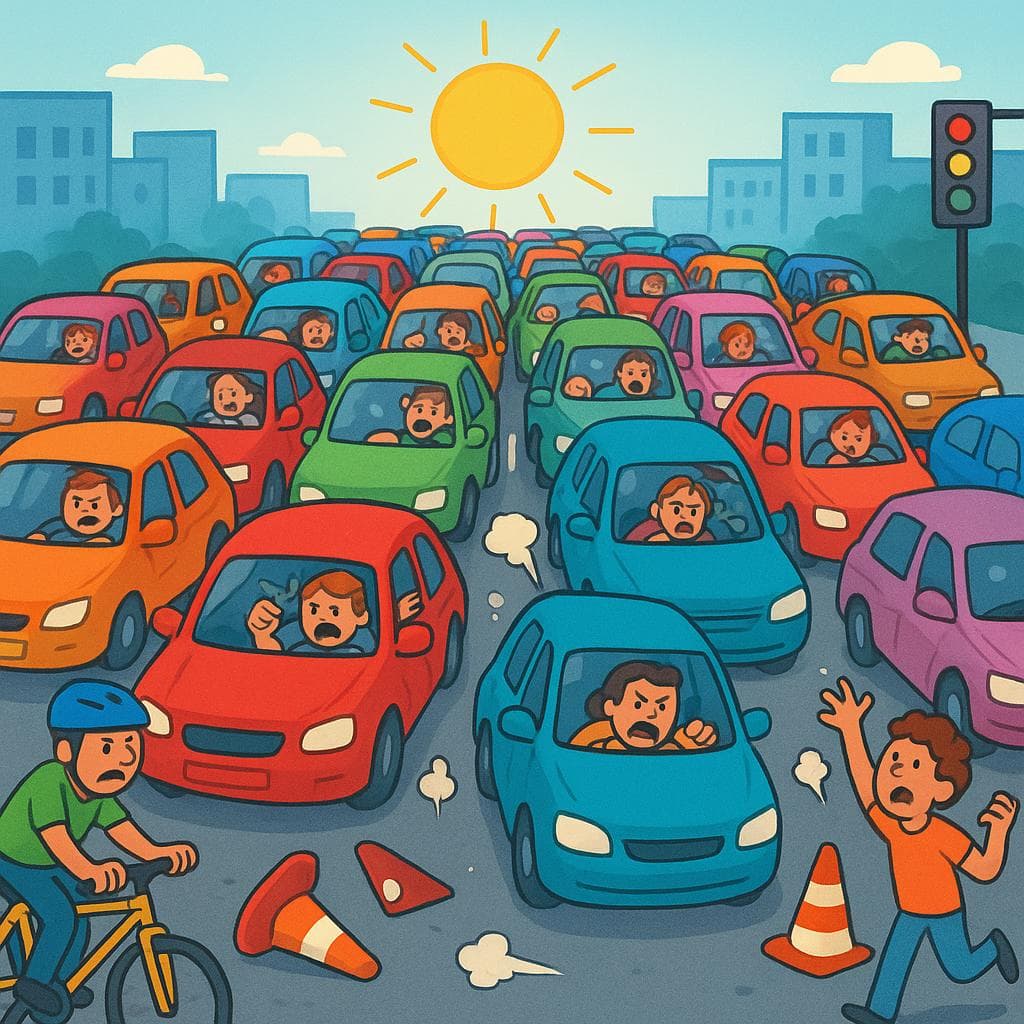
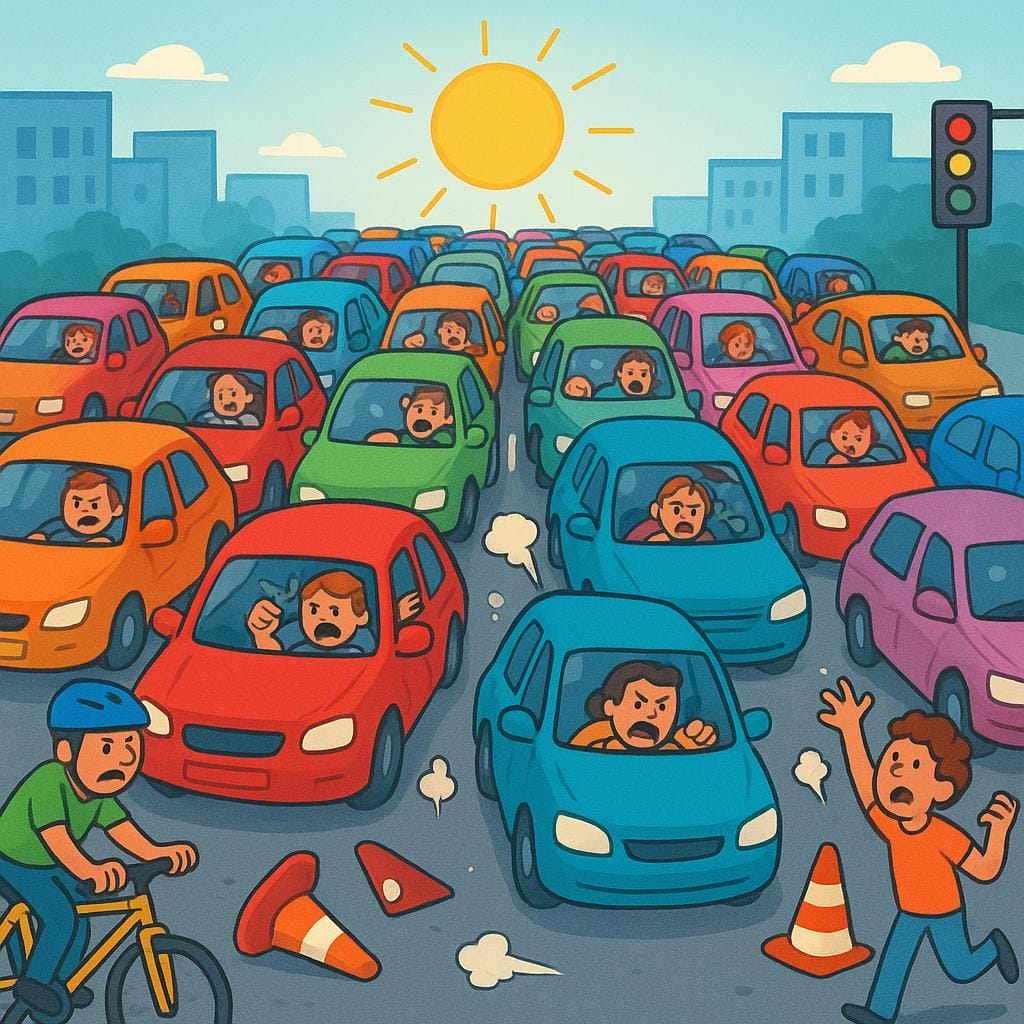
El tráfico a esta hora es un infierno.
The traffic at this time is hell.
Vivir con tanto ruido fue un infierno para mí.
Living with so much noise was hell for me.
El incendio convirtió el edificio en un infierno.
The fire turned the building into an inferno.
Pesadilla vs. Infierno
Related Translations
Learn Spanish with Inklingo
Interactive stories, personalized learning, and more.