How to Say "noises" in Spanish
The most common Spanish word for “noises” is “ruidos” — use 'ruidos' when referring to sounds that are generally loud, disruptive, or unwanted, often implying a disturbance.

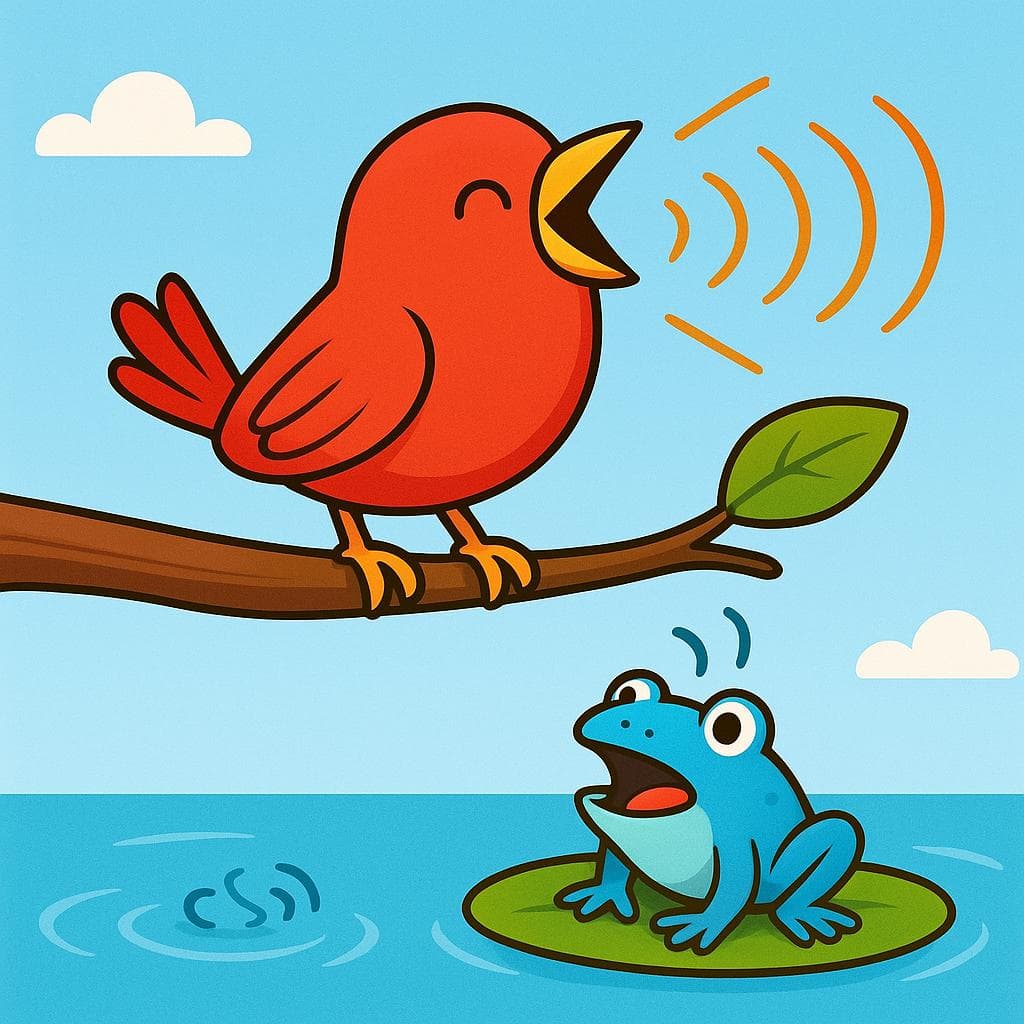
ruidos
RUE-ee-dohs'rwi.ðos

Examples
Los ruidos de la construcción me despertaron temprano.
The noises from the construction woke me up early.
No puedo dormir por los ruidos que vienen de la calle.
I can't sleep because of the noises coming from the street.
Después del accidente, se escucharon muchos ruidos de sirenas.
After the accident, many siren sounds were heard.
Los niños hicieron ruidos fuertes jugando en el parque.
The children made loud noises playing in the park.
Always Masculine Plural
Since 'ruidos' is the plural form of the noun 'ruido,' it is always masculine. You must use the masculine plural article 'los' (los ruidos) and masculine adjectives (ruidos fuertes).
Ruidos vs. Sonidos
Mistake: “Usar 'sonidos' cuando el sonido es molesto.”
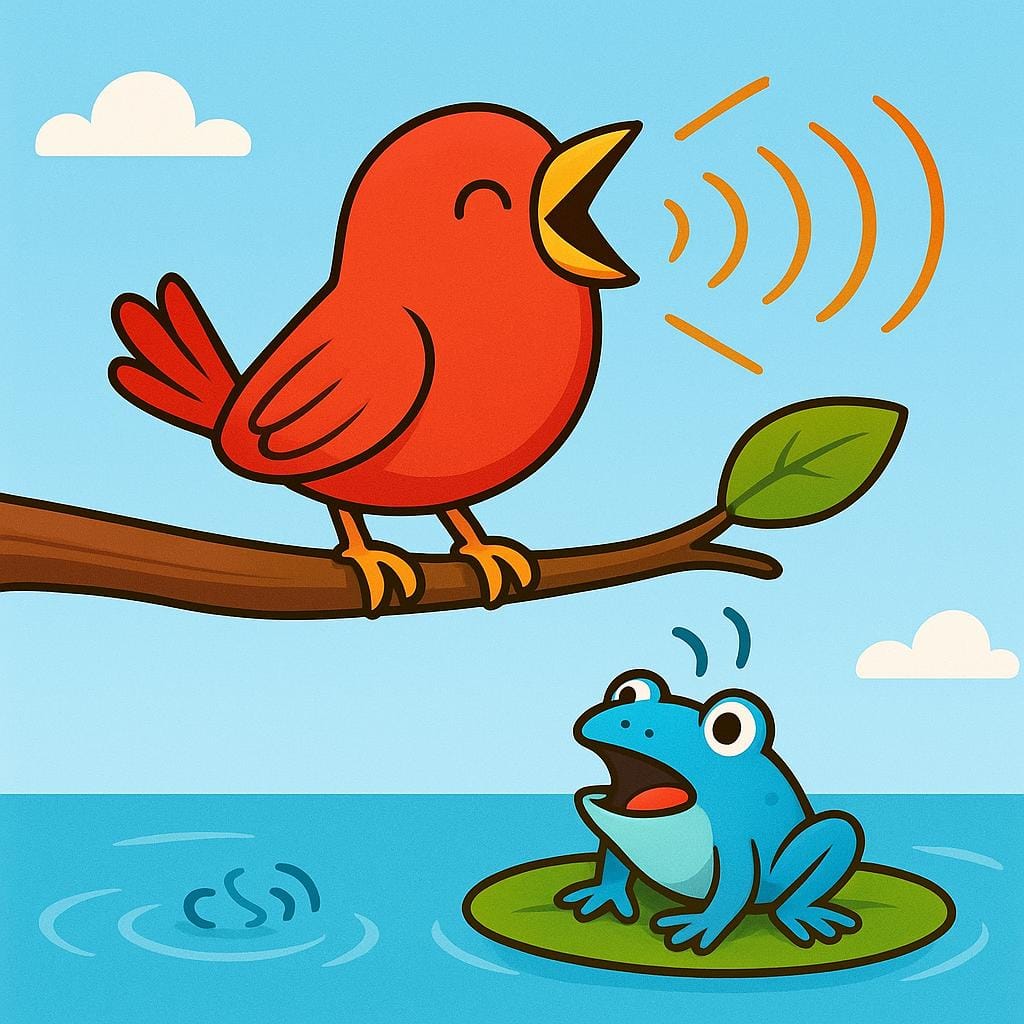
Correction: Use 'ruidos' when the sound is loud, annoying, or disruptive (e.g., 'Los ruidos de la construcción son terribles'). 'Sonidos' is neutral and refers to any sound (e.g., 'Los sonidos de la guitarra son bonitos').
sonidos
soh-NEE-dohssoˈniðos
Examples
Disfruto de los sonidos relajantes de la lluvia.
I enjoy the relaxing sounds of the rain.
Me encantan los sonidos de la naturaleza, como el viento y el agua.
I love the sounds of nature, like the wind and the water.
El bebé empezó a hacer sonidos extraños después de comer.
The baby started making strange sounds after eating.
Los sonidos fuertes del concierto me dolieron los oídos.
The loud sounds of the concert hurt my ears.
Masculine Plural
'Sonidos' is the plural of the masculine noun 'sonido' (sound). Since it ends in '-os', always use masculine plural words before it, like 'los' (the) or 'muchos' (many).
Using Feminine Articles
Mistake: “Las sonidos son molestos.”
Correction: Los sonidos son molestos. ('Sonidos' is masculine, so use 'los'.)
Distinguishing 'ruidos' from 'sonidos'
Learn Spanish with Inklingo
Interactive stories, personalized learning, and more.