How to Say "opposing" in Spanish
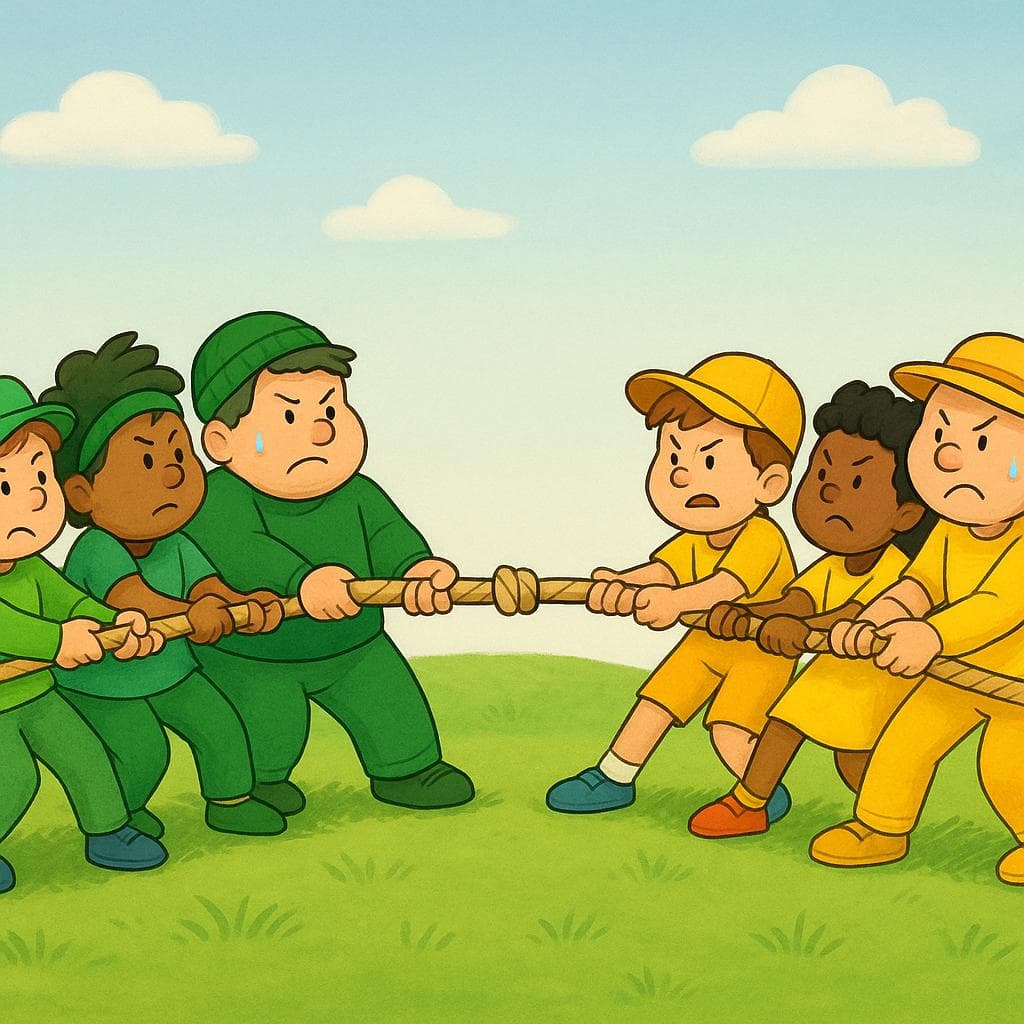
The most common Spanish word for “opposing” is “enemigo” — use 'enemigo' when describing forces, groups, or territories that are actively hostile or in conflict, like an enemy nation or enemy territory.


enemigo
e-ne-MÍ-goe.neˈmi.ɣo

Examples
Cruzamos la línea a territorio enemigo con mucho cuidado.
We crossed the line into hostile territory very carefully.
Las fuerzas enemigas atacaron al amanecer.
The opposing forces attacked at dawn.
El presidente se mostró enemigo a cualquier tipo de reforma.
The president showed himself opposed to any kind of reform.
Matching the Noun
As an adjective, 'enemigo' must match the gender and number of the noun it describes. For example, 'fuerzas' (forces) is feminine plural, so you say 'fuerzas enemigas'.
Using the Singular
Mistake: “Llegaron los barcos enemigo.”
Correction: Llegaron los barcos enemigos. (Since 'barcos' is plural, the adjective must also be plural.)
oponente
oh-poh-NEN-tehopoˈnente

Examples
Existen fuerzas oponentes en este conflicto.
There are opposing forces in this conflict.
El pulgar tiene un músculo oponente que nos permite agarrar cosas.
The thumb has an opponent muscle that allows us to grab things.
Describing things
When using this as a describing word (adjective), it must match the number of what you are describing. Use 'oponente' for one thing and 'oponentes' for multiple things.
rival
ree-VAHLriˈβal
Examples
La empresa lanzó un producto rival para capturar ese mercado.
The company launched a rival product to capture that market.
Tuvimos que analizar la estrategia rival antes del debate.
We had to analyze the opposing strategy before the debate.
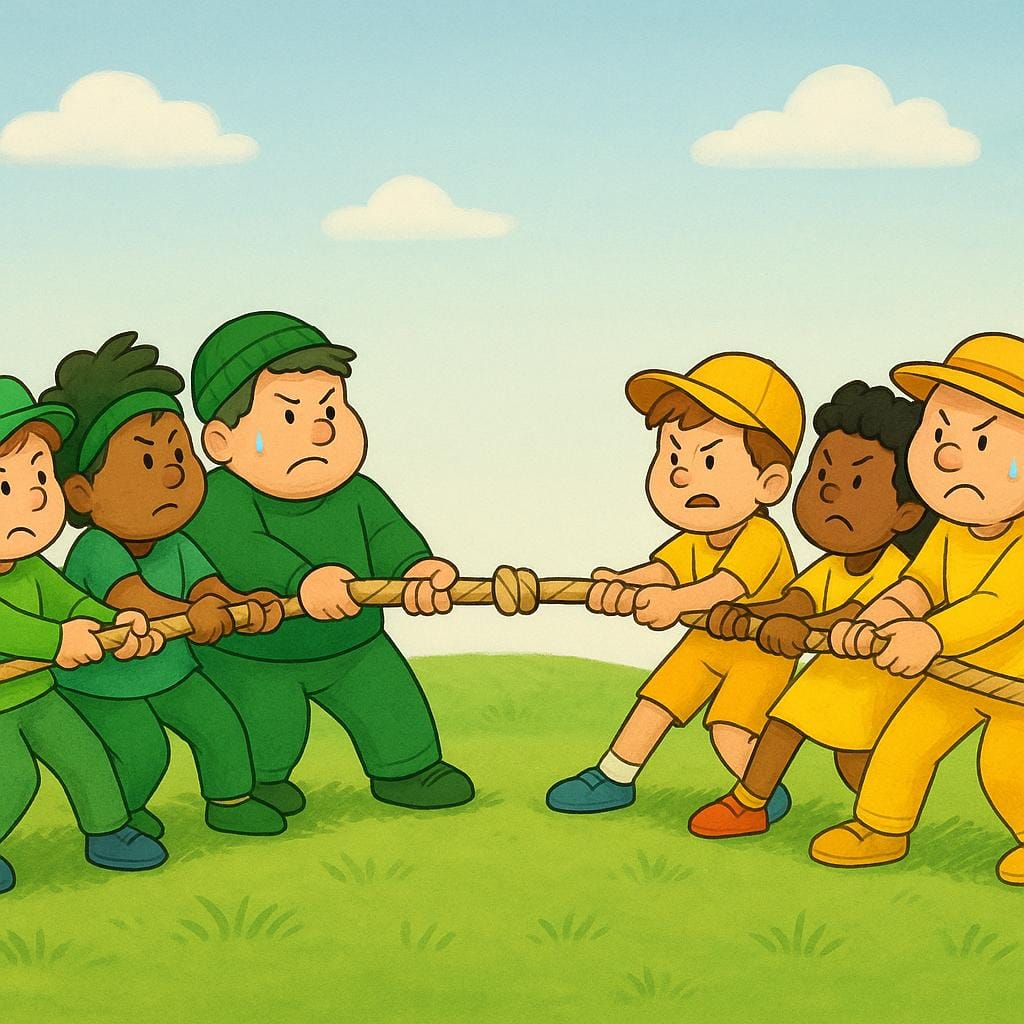
Las fuerzas rivales se enfrentaron en la frontera.
The rival forces faced each other at the border.
Always Invariable
As an adjective, 'rival' is one of those helpful words that never changes its ending—not for male/female nouns, and not even for plurals! It's always 'rival' (singular) or 'rivales' (plural).
Incorrect Gender Agreement
Mistake: “Saying 'una estrategia rivala'.”
Correction: The correct form is 'una estrategia rival'. Since 'rival' ends in 'l', it is an adjective that stays the same regardless of the noun's gender.
Enemigo vs. Oponente
Related Translations
Learn Spanish with Inklingo
Interactive stories, personalized learning, and more.