How to Say "rival" in Spanish
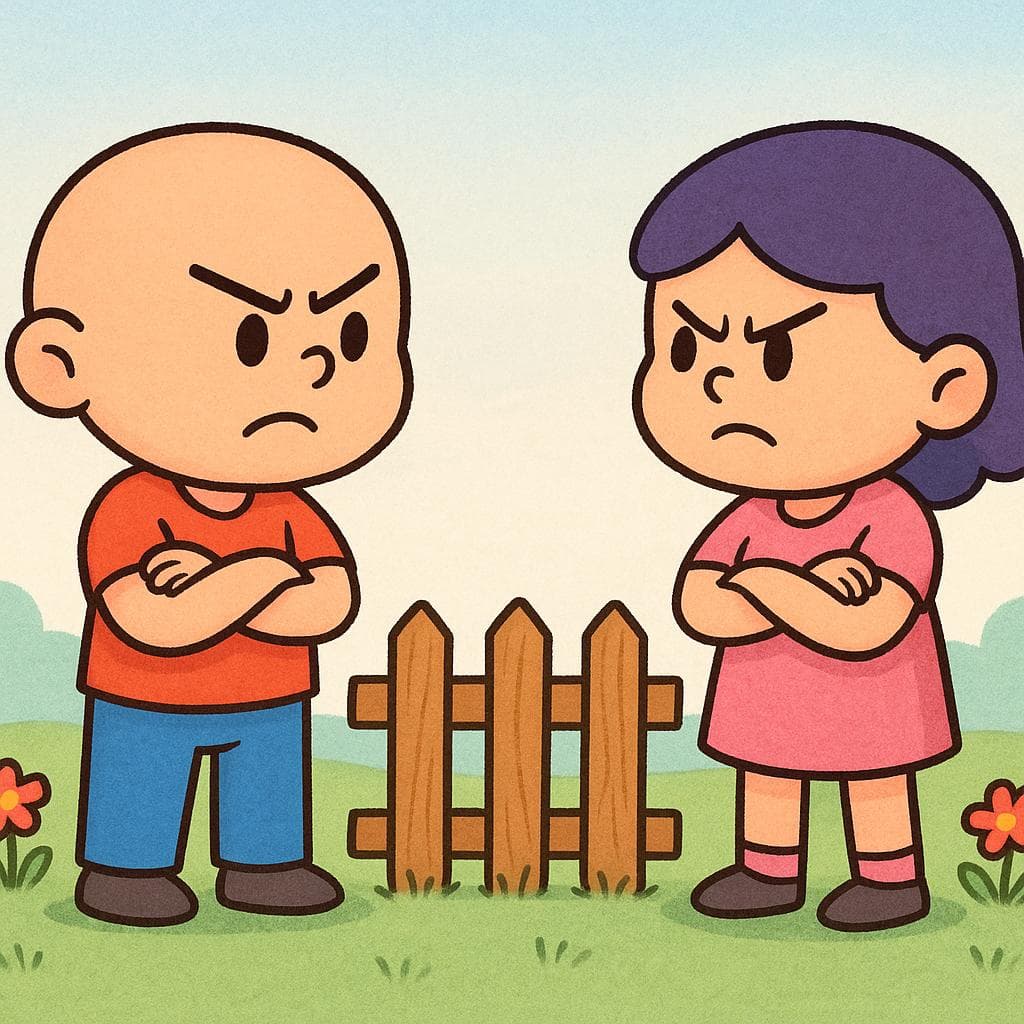
The most common Spanish word for “rival” is “rival” — use 'rival' when referring to a direct competitor, often in sports or a general competitive situation.




rival
ree-VAHLriˈβal

Examples
El equipo perdió contra su rival directo en la final.
The team lost against their direct rival in the final.
Ella es mi rival principal por el puesto de trabajo.
She is my main competitor for the job position.
Los dos países han sido rivales históricos.
The two countries have been historical rivals.
La empresa lanzó un producto rival para capturar ese mercado.
The company launched a rival product to capture that market.
Gender is Flexible
The word 'rival' itself never changes its ending. To show if the person is male or female, you only change the article: 'el rival' (male competitor) or 'la rival' (female competitor).
Always Invariable
As an adjective, 'rival' is one of those helpful words that never changes its ending—not for male/female nouns, and not even for plurals! It's always 'rival' (singular) or 'rivales' (plural).
Confusing 'rival' and 'enemigo'
Mistake: “Using 'enemigo' (enemy) when you mean 'rival'.”
Correction: A rival is usually someone you compete against fairly (like in sports). An 'enemigo' is someone you have a hostile or hateful relationship with. They are not always the same!
Incorrect Gender Agreement
Mistake: “Saying 'una estrategia rivala'.”
Correction: The correct form is 'una estrategia rival'. Since 'rival' ends in 'l', it is an adjective that stays the same regardless of the noun's gender.
oponente
oh-poh-NEN-tehopoˈnente

Examples
Mi oponente en el ajedrez es muy inteligente.
My opponent in chess is very smart.
Los dos oponentes se saludaron antes del partido.
The two opponents greeted each other before the match.
Debemos respetar a nuestro oponente político.
We must respect our political opponent.
One word for both genders
This word stays the same whether you are talking about a man or a woman. To show the gender, just change the word 'the' or 'a' before it: 'el oponente' (the male opponent) or 'la oponente' (the female opponent).
Don't say 'oponenta'
Mistake: “La oponenta.”
Correction: La oponente.
competidor
kom-peh-tee-dorkompetiˈðoɾ

Examples
Él es un competidor muy fuerte en la carrera.
He is a very strong competitor in the race.
Nuestra empresa tiene un nuevo competidor en la ciudad.
Our company has a new competitor in the city.
A pesar de ser amigos, en la cancha son grandes competidores.
Despite being friends, they are great competitors on the court.
Bajamos los precios para enfrentar al sector competidor.
We lowered prices to face the competing sector.
Making it plural
Since this word ends in a consonant (r), simply add 'es' to the end to make it plural: 'competidores'.
The feminine version
Even though we are looking at the male version, you can talk about a woman by adding 'a' to the end: 'la competidora'.
Matching the Noun
As an adjective, this word must match the thing it describes. If you describe a female word like 'marca' (brand), use 'competidora'.
Confusing with 'competition'
Mistake: “El competidor fue muy difícil.”
Correction: La competición fue muy difícil.
Using it for 'competitive'
Mistake: “Él es muy competidor.”
Correction: Él es muy competitivo.
enemigo
e-ne-MÍ-goe.neˈmi.ɣo
Examples
Mi equipo de fútbol tiene un gran enemigo en la final.
My soccer team has a great rival in the final.
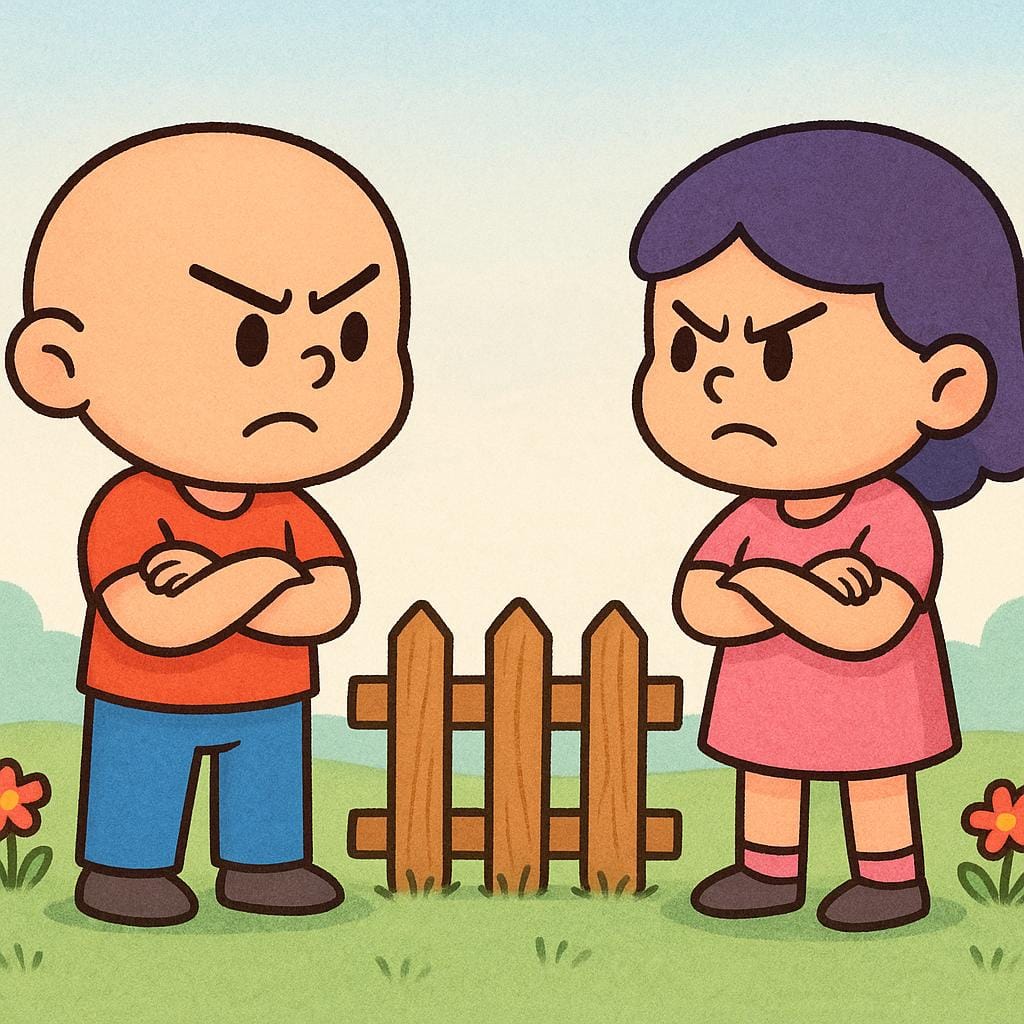
No puedes confiar en tu enemigo, debes tener cuidado.
You can't trust your enemy; you must be careful.
Lucharon valientemente contra el enemigo común.
They fought bravely against the common enemy.
Feminine Form
When referring to a female opponent, the word changes to 'enemiga'. Both are nouns: 'El enemigo' (the male enemy) or 'La enemiga' (the female enemy).
The Personal 'a'
If you are talking about seeing or knowing a specific person who is an enemy, you must use the little word 'a' before them: 'Conocí a mi enemigo' (I met my enemy).
Mixing Noun and Adjective
Mistake: “La persona es enemigo.”
Correction: La persona es enemiga. (Remember to match the gender, 'enemiga' for a female person, or 'enemigo' if you mean the team/group is the enemy.)
adversario
ad-ber-SA-ryoaðβeɾˈsaɾjo

Examples
El equipo saludó al adversario al final del partido.
The team greeted the opponent at the end of the game.
En política, es importante respetar al adversario.
In politics, it is important to respect your rival.
No debes subestimar a un adversario tan inteligente.
You shouldn't underestimate such an intelligent adversary.
Describing the 'Other Side'
This word acts as a naming word (noun) for a person or group you are competing against. It usually takes 'el' or 'un' because it is masculine.
Using 'de' for connection
To say whose opponent they are, use the word 'de'. For example: 'el adversario de Juan' (Juan's opponent).
Opponent vs. Enemy
Mistake: “Using 'enemigo' for a soccer match.”
Correction: Use 'adversario' or 'rival' for games. 'Enemigo' is much stronger and implies hatred or war.
competidor
kom-peh-tee-dorkompetiˈðoɾ
Examples
Bajamos los precios para enfrentar al sector competidor.
We lowered prices to face the competing sector.
Él es un competidor muy fuerte en la carrera.
He is a very strong competitor in the race.
Nuestra empresa tiene un nuevo competidor en la ciudad.
Our company has a new competitor in the city.
A pesar de ser amigos, en la cancha son grandes competidores.
Despite being friends, they are great competitors on the court.
Making it plural
Since this word ends in a consonant (r), simply add 'es' to the end to make it plural: 'competidores'.
The feminine version
Even though we are looking at the male version, you can talk about a woman by adding 'a' to the end: 'la competidora'.
Matching the Noun
As an adjective, this word must match the thing it describes. If you describe a female word like 'marca' (brand), use 'competidora'.
Confusing with 'competition'
Mistake: “El competidor fue muy difícil.”
Correction: La competición fue muy difícil.
Using it for 'competitive'
Mistake: “Él es muy competidor.”
Correction: Él es muy competitivo.
rival
ree-VAHLriˈβal
Examples
La empresa lanzó un producto rival para capturar ese mercado.
The company launched a rival product to capture that market.
El equipo perdió contra su rival directo en la final.
The team lost against their direct rival in the final.
Ella es mi rival principal por el puesto de trabajo.
She is my main competitor for the job position.
Los dos países han sido rivales históricos.
The two countries have been historical rivals.
Gender is Flexible
The word 'rival' itself never changes its ending. To show if the person is male or female, you only change the article: 'el rival' (male competitor) or 'la rival' (female competitor).
Always Invariable
As an adjective, 'rival' is one of those helpful words that never changes its ending—not for male/female nouns, and not even for plurals! It's always 'rival' (singular) or 'rivales' (plural).
Confusing 'rival' and 'enemigo'
Mistake: “Using 'enemigo' (enemy) when you mean 'rival'.”
Correction: A rival is usually someone you compete against fairly (like in sports). An 'enemigo' is someone you have a hostile or hateful relationship with. They are not always the same!
Incorrect Gender Agreement
Mistake: “Saying 'una estrategia rivala'.”
Correction: The correct form is 'una estrategia rival'. Since 'rival' ends in 'l', it is an adjective that stays the same regardless of the noun's gender.
Choosing Between 'Rival' and 'Oponente'
Related Translations
Learn Spanish with Inklingo
Interactive stories, personalized learning, and more.