How to Say "outside" in Spanish
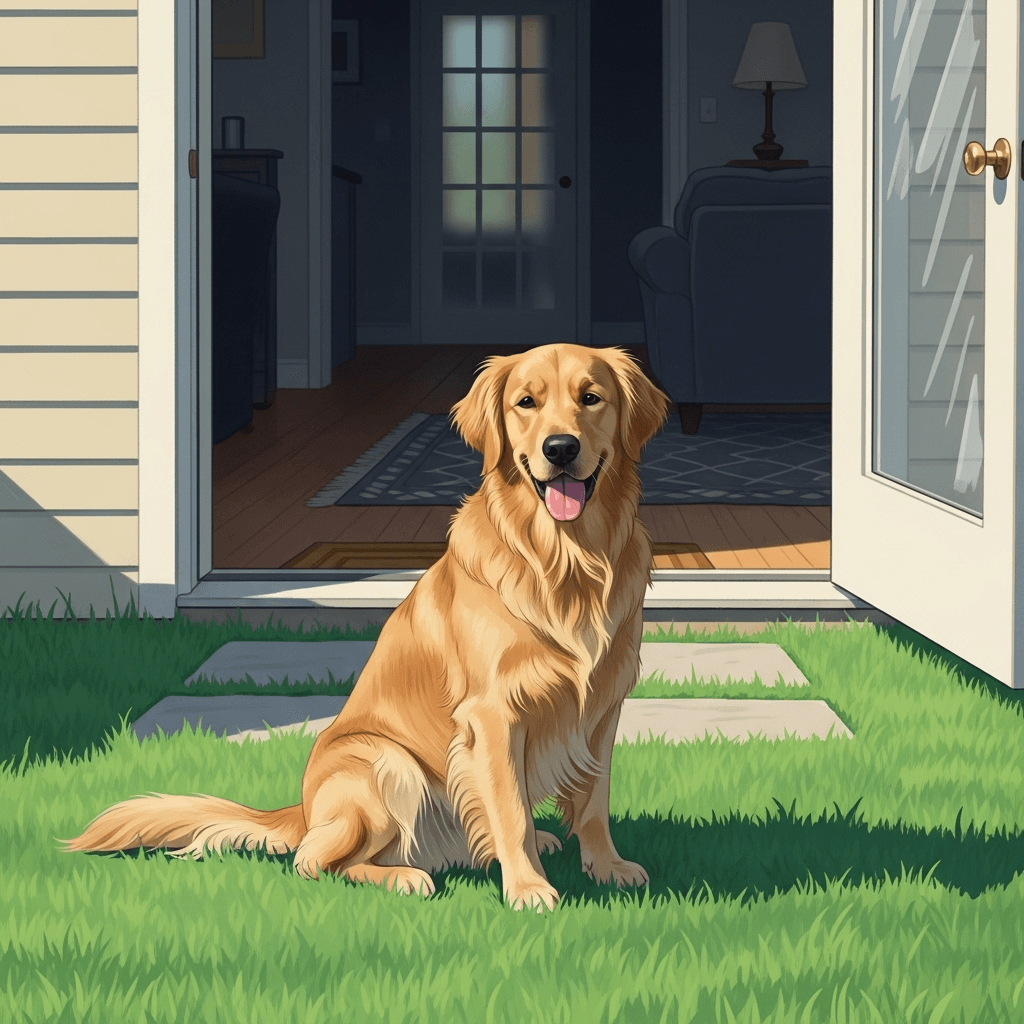
The most common Spanish word for “outside” is “afuera” — use 'afuera' when referring to a general location that is not indoors, often implying movement towards or being in an open space.


afuera
ah-FWEH-rahaˈfweɾa
Examples
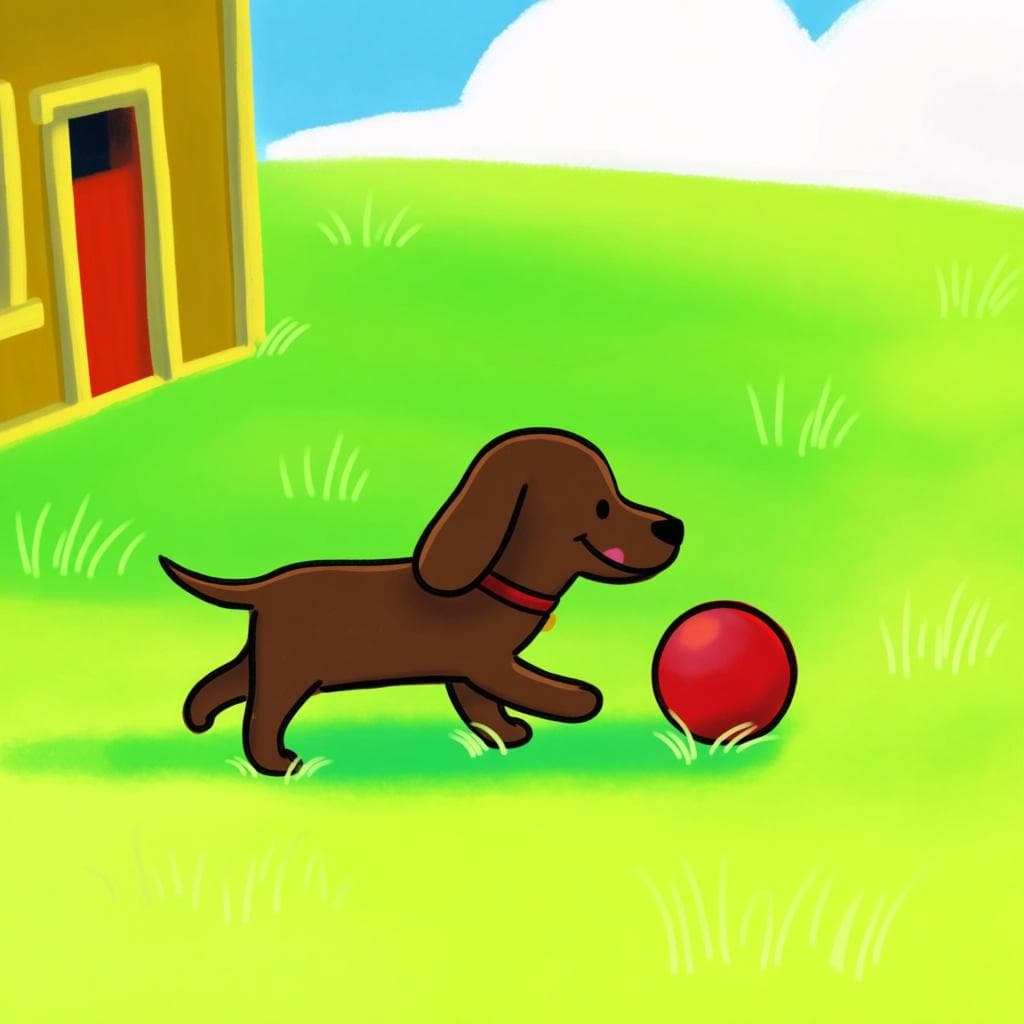
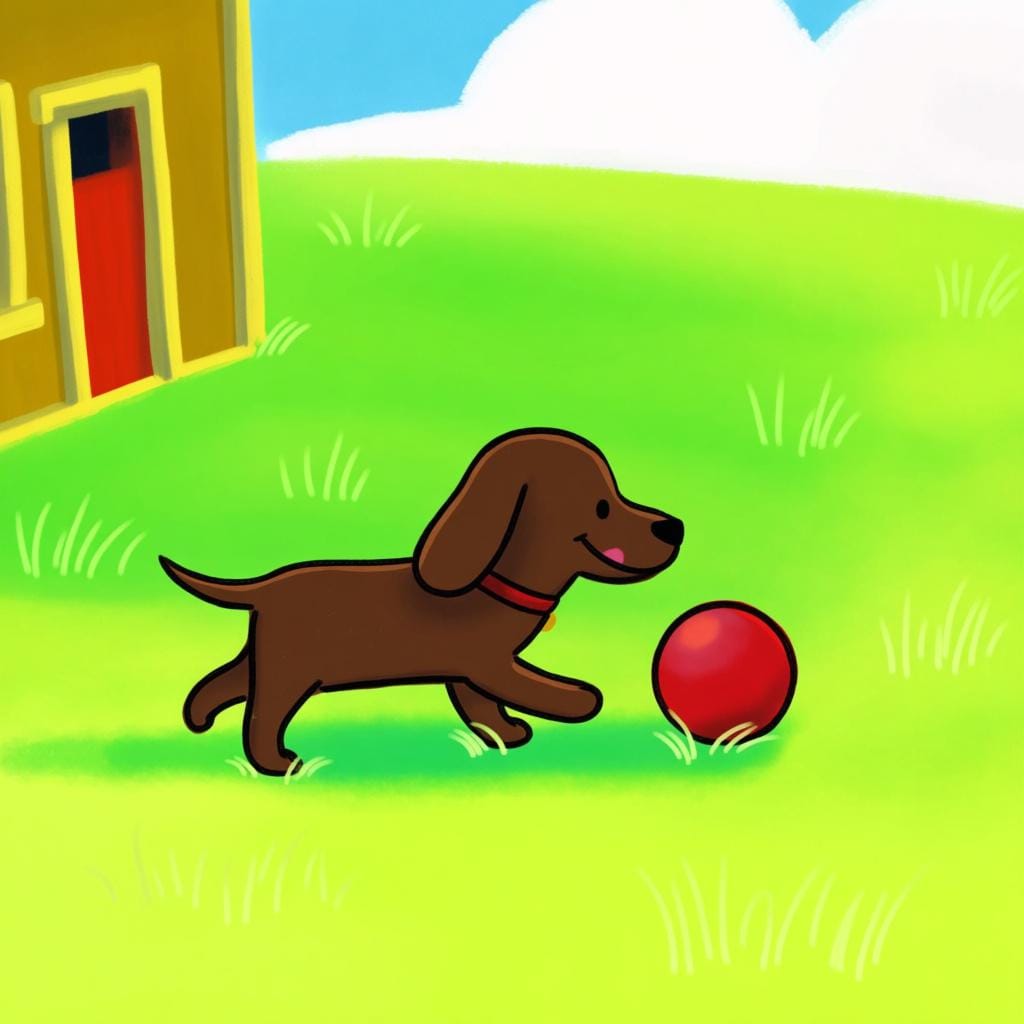
El perro está jugando afuera en el jardín.
The dog is playing outside in the garden.
Hace un día precioso, ¿comemos afuera?
It's a beautiful day, shall we eat outside?
Si tienes calor, sal afuera a tomar un poco de aire.
If you're hot, go outside to get some air.
Afuera vs. Fuera
These two words are very similar and often used in the same way. Think of 'afuera' as suggesting movement 'to the outside' (like 'sal afuera' - go outside). 'Fuera' often describes a fixed position 'at the outside' (like 'está fuera' - he is outside). But don't worry, in most everyday situations, you can use either one and people will understand you perfectly.
Saying 'Outside Of'
Mistake: “Quiero sentarme afuera del café.”
Correction: Quiero sentarme fuera del café. (I want to sit outside the café.) When you want to say 'outside of' a specific place, it sounds a little more natural to use 'fuera de' instead of 'afuera de'. Both are understood, but 'fuera de' is more common.
fuera
FWEH-rahˈfweɾa
Examples
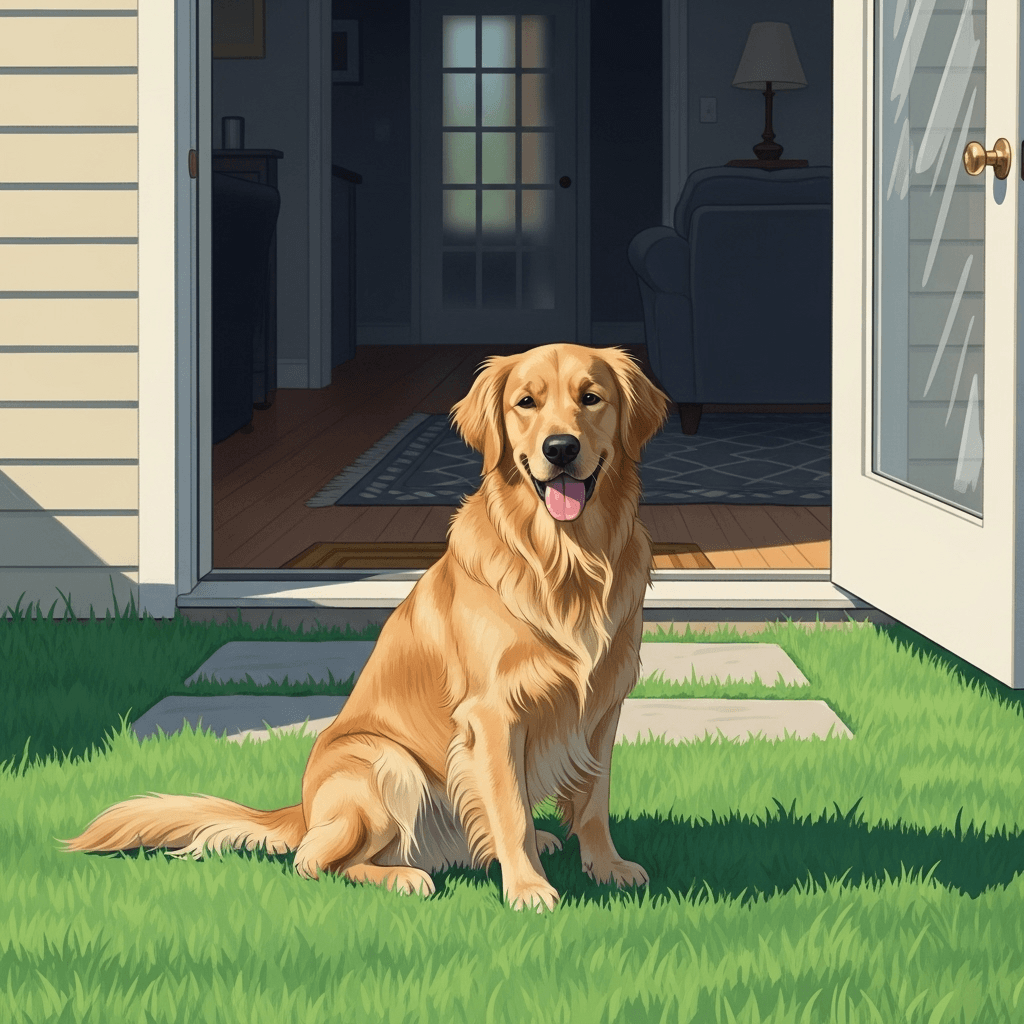
El gato está fuera, en el jardín.
The cat is outside, in the garden.
Prefiero comer fuera esta noche.
I prefer to eat out tonight.
Mi jefe está fuera de la oficina hasta el lunes.
My boss is out of the office until Monday.
'Fuera' vs. 'Afuera'
In many cases, 'fuera' and 'afuera' mean the same thing ('outside'). 'Afuera' can sometimes suggest movement towards the outside ('vamos afuera' - let's go outside), but don't worry too much, they are often used interchangeably.
exterior
ehks-teh-RYOReks.teˈɾjoɾ

Examples
Pintaremos la pared exterior de la casa de azul.
We will paint the exterior wall of the house blue.
Necesitamos revisar el cableado exterior antes de la tormenta.
We need to check the outer wiring before the storm.
Gender Consistency
This adjective describes nouns, but unlike many Spanish adjectives, it looks the same whether the noun is masculine (muro exterior) or feminine (pared exterior).
forastero
fo-ras-TEH-rofoɾasˈteɾo

Examples
Trajeron costumbres forasteras que nadie entendía.
They brought outside customs that no one understood.
Ese acento forastero delataba su origen.
That foreign accent gave away his origin.
La influencia forastera cambió el estilo de la arquitectura local.
Outside influence changed the style of local architecture.
Matching the Noun
As a describing word, it must match what it describes. For a feminine thing like 'costumbre' (custom), use 'forastera'.
Confusing with 'Extraño'
Mistake: “Using 'forastero' to mean 'weird'.”
Correction: Use 'forastero' to mean 'from another place'. If something is just 'weird' or 'strange' in character, use 'extraño' or 'raro'.
Afuera vs. Fuera
Learn Spanish with Inklingo
Interactive stories, personalized learning, and more.