How to Say "out" in Spanish
The most common Spanish word for “out” is “afuera” — use 'afuera' when referring to a location or direction that is outside, often implying movement towards or being in an external space.

afuera
ah-FWEH-rahaˈfweɾa
Examples
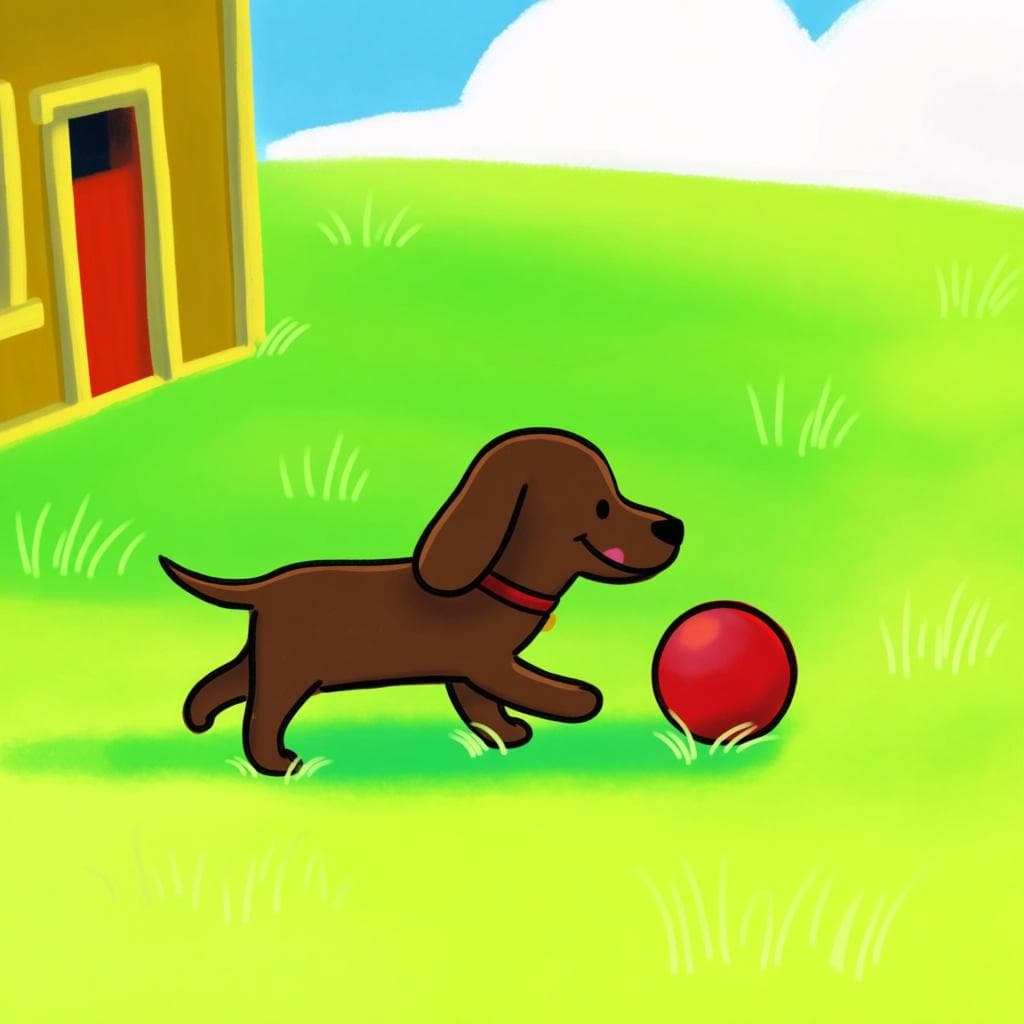
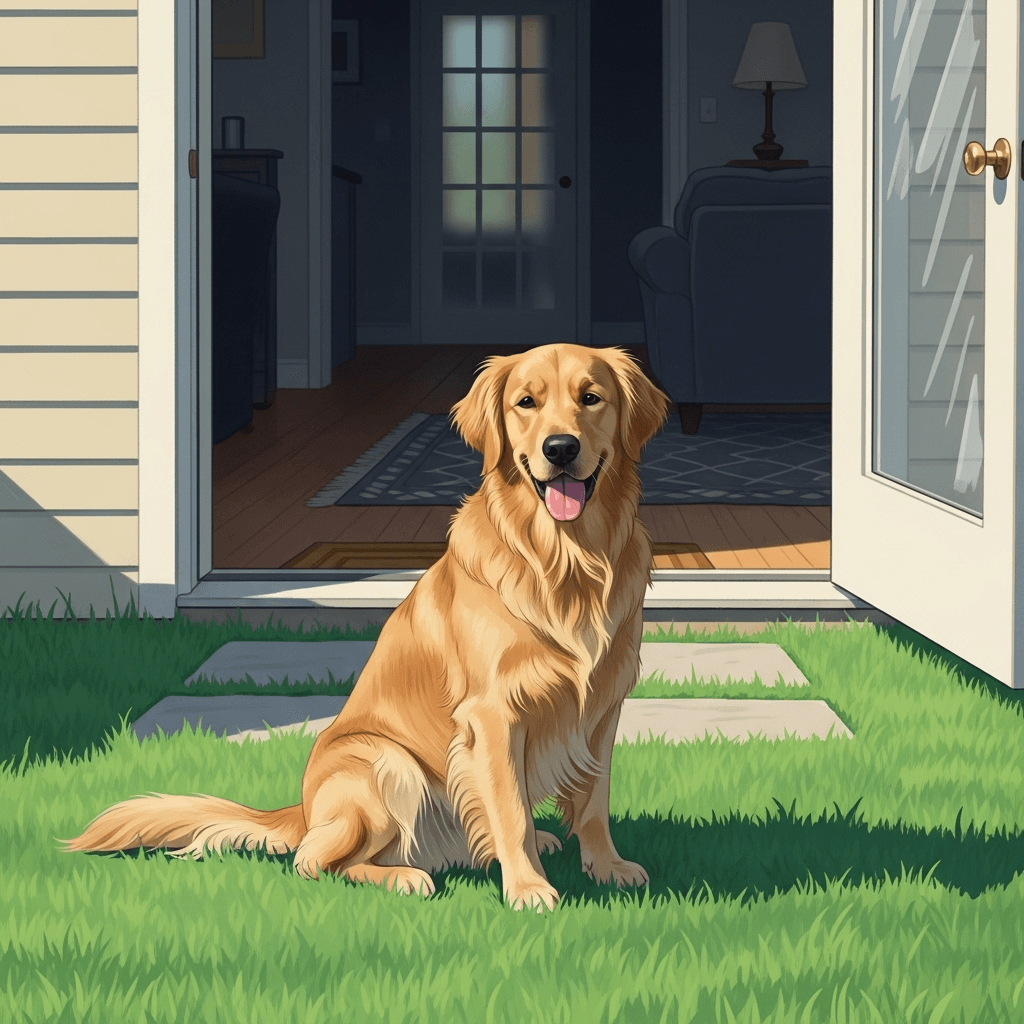
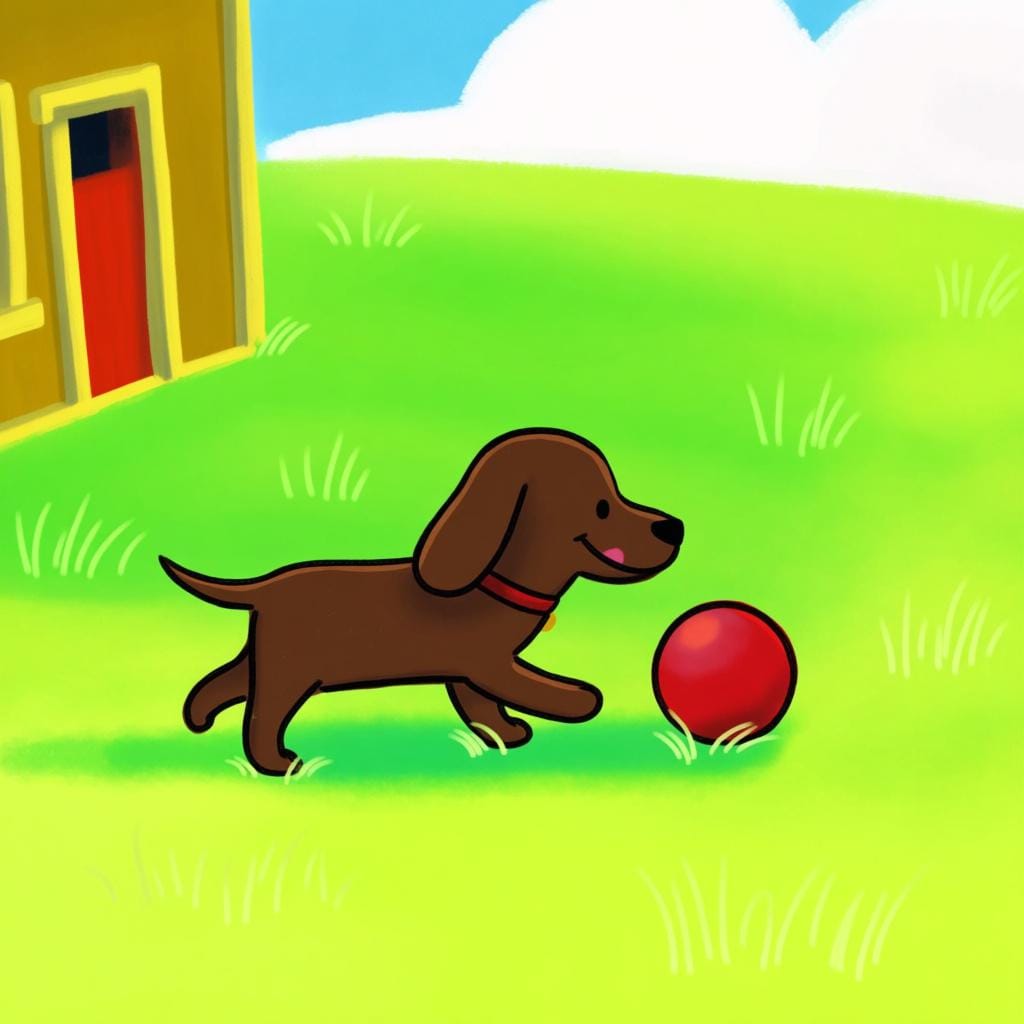
El perro está jugando afuera en el jardín.
The dog is playing outside in the garden.
Hace un día precioso, ¿comemos afuera?
It's a beautiful day, shall we eat outside?
Si tienes calor, sal afuera a tomar un poco de aire.
If you're hot, go outside to get some air.
Afuera vs. Fuera
These two words are very similar and often used in the same way. Think of 'afuera' as suggesting movement 'to the outside' (like 'sal afuera' - go outside). 'Fuera' often describes a fixed position 'at the outside' (like 'está fuera' - he is outside). But don't worry, in most everyday situations, you can use either one and people will understand you perfectly.
Saying 'Outside Of'
Mistake: “Quiero sentarme afuera del café.”
Correction: Quiero sentarme fuera del café. (I want to sit outside the café.) When you want to say 'outside of' a specific place, it sounds a little more natural to use 'fuera de' instead of 'afuera de'. Both are understood, but 'fuera de' is more common.
fuera
FWEH-rahˈfweɾa
Examples
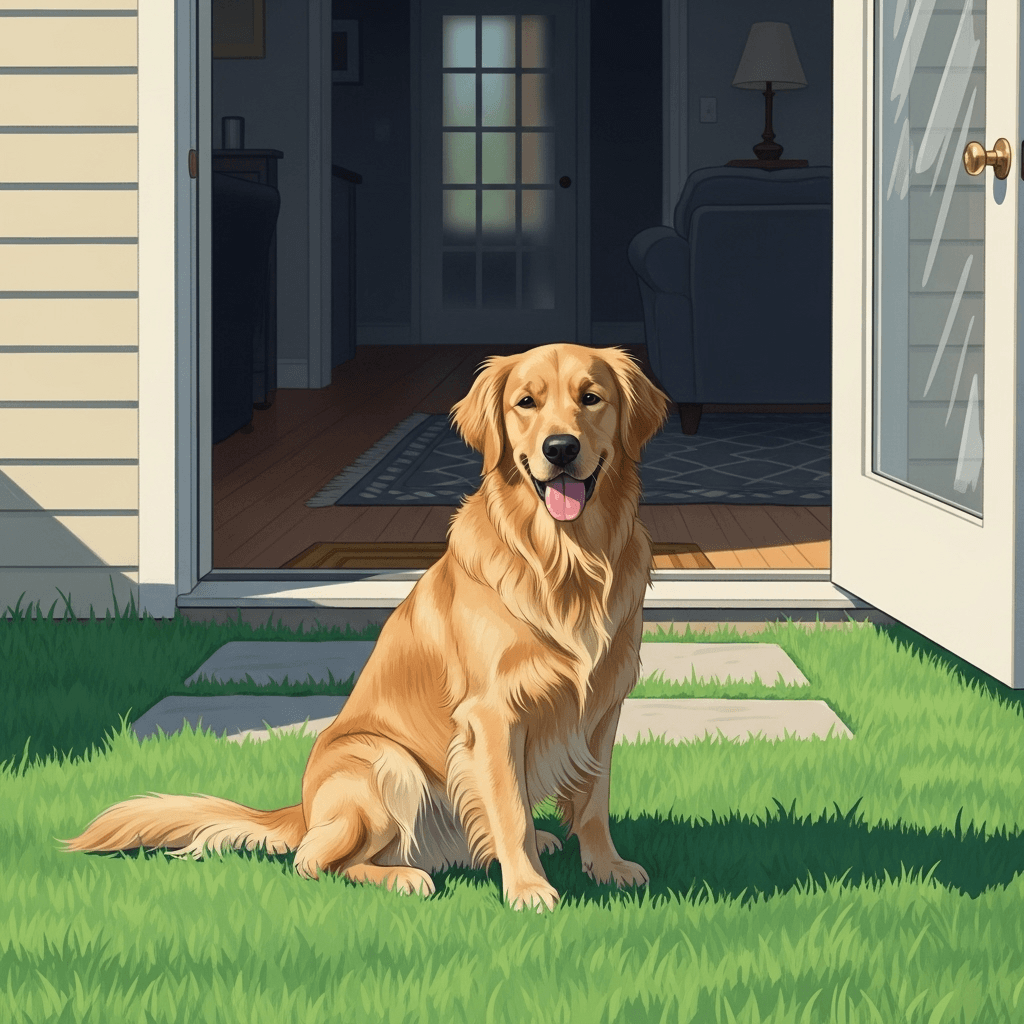
El gato está fuera, en el jardín.
The cat is outside, in the garden.
Prefiero comer fuera esta noche.
I prefer to eat out tonight.
Mi jefe está fuera de la oficina hasta el lunes.
My boss is out of the office until Monday.
'Fuera' vs. 'Afuera'
In many cases, 'fuera' and 'afuera' mean the same thing ('outside'). 'Afuera' can sometimes suggest movement towards the outside ('vamos afuera' - let's go outside), but don't worry too much, they are often used interchangeably.
out
owtau̯t

Examples
El bateador hizo el tercer out de la entrada.
The batter made the third out of the inning.
Fue un out muy cerrado en la primera base.
It was a very close out at first base.
Necesitamos conseguir un out más para terminar el juego.
We need to get one more out to finish the game.
A Borrowed Word
This word is taken directly from English. Even though it's English, in Spanish it's treated as a masculine noun, so you use 'el' or 'un' with it.
Plural Forms
Because it's a loanword, the plural is sometimes 'los out' or 'los outs'. Most speakers prefer keeping it simple without the 's'.
Wrong Word for 'Outside'
Mistake: “Estoy out de la casa.”
Correction: Estoy fuera de la casa. Use 'out' specifically for sports or fashion, not for physical locations.
Afuera vs. Fuera
Related Translations
Learn Spanish with Inklingo
Interactive stories, personalized learning, and more.