How to Say "went" in Spanish
The most common Spanish word for “went” is “fue” — use 'fue' to describe a completed movement to a specific destination in the past.
fue
fwehfwe
Examples
Mi hermano fue a la tienda.
My brother went to the store.
Ella se fue de la fiesta temprano.
She left the party early.
¿Adónde fue el perro?
Where did the dog go?
A Past Form of 'Ir' (to go)
This 'fue' comes from the verb 'ir'. Use it when you're talking about someone or something moving to a destination in the past. It's all about movement from one place to another.
Confusing with 'Iba'
Mistake: “Cuando era niño, fue a la playa cada verano.”
Correction: Cuando era niño, iba a la playa cada verano. Use 'iba' for repeated actions in the past (like 'used to go'). Use 'fue' for a single, completed trip ('Ayer fue a la playa').
fuera
FWEH-rahˈfweɾa
Examples
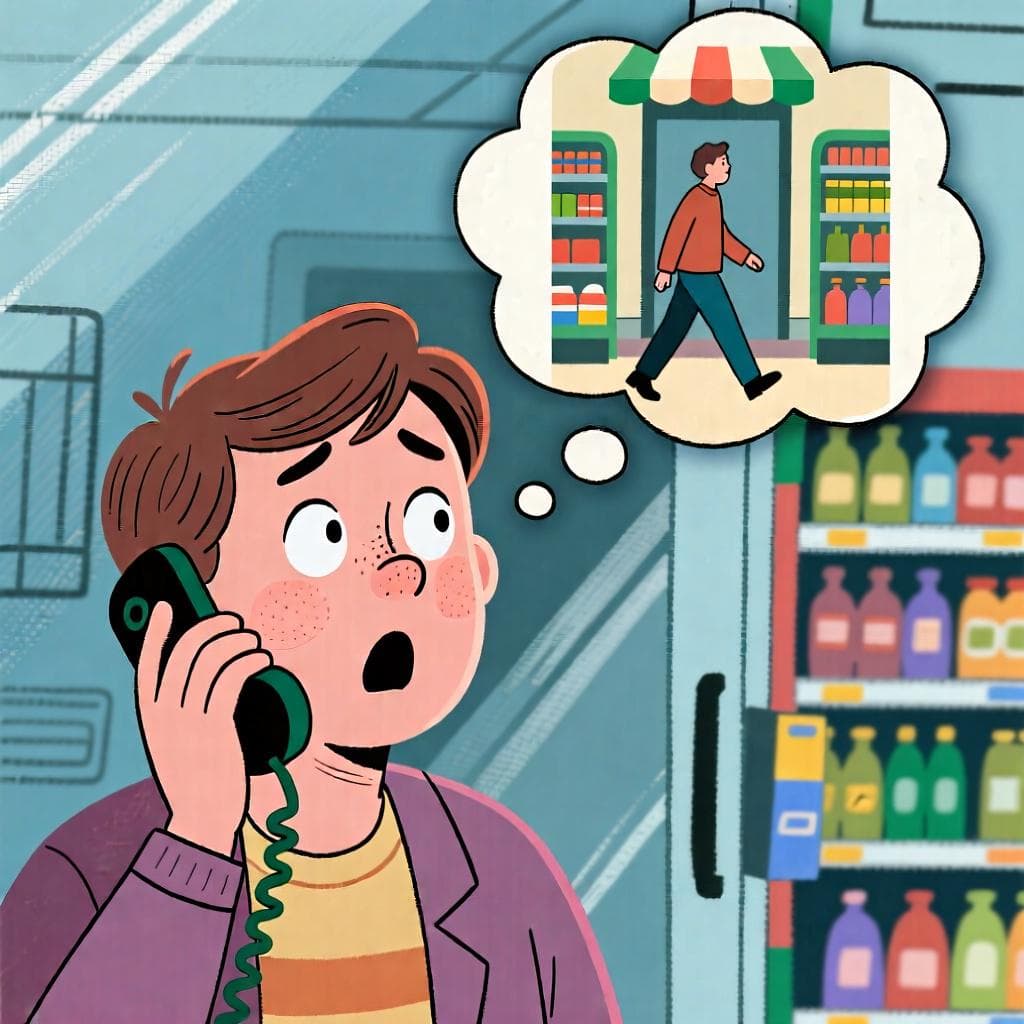
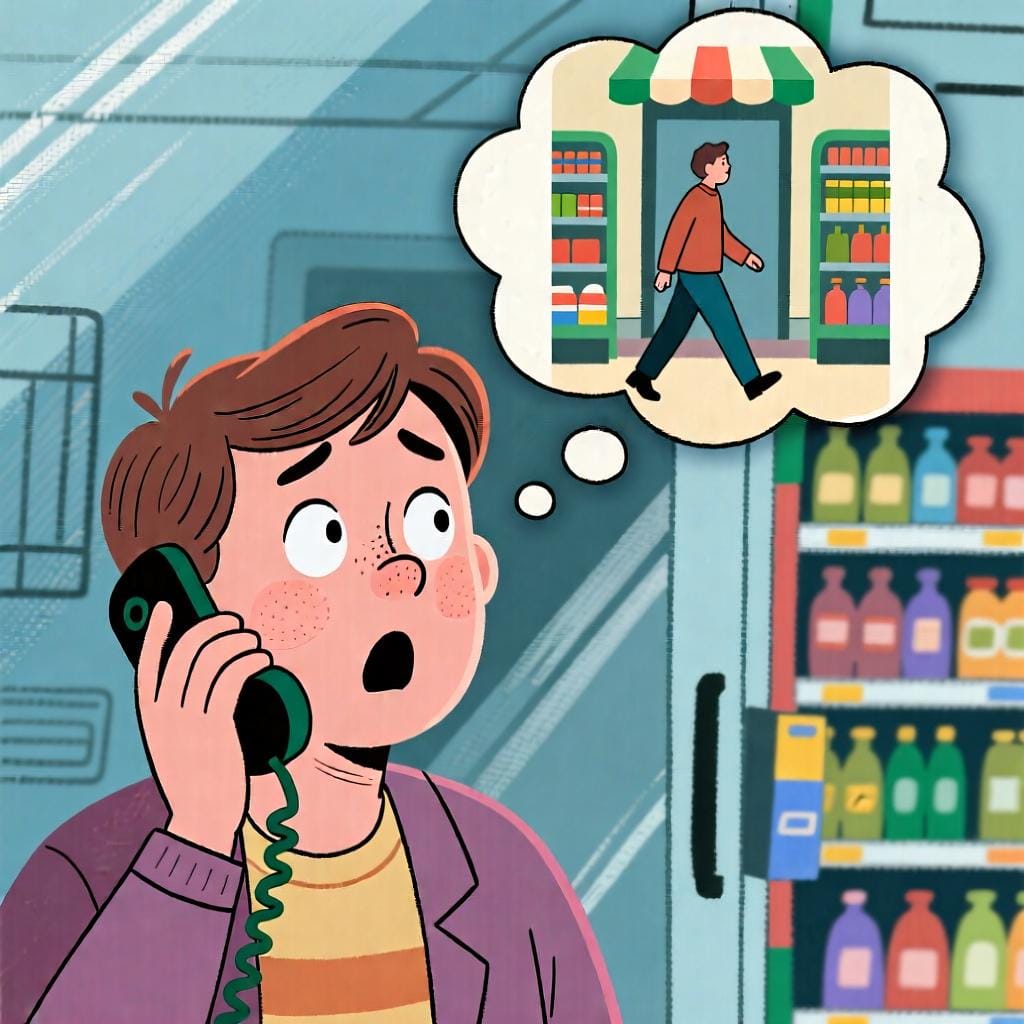
Mi madre quería que yo fuera al supermercado.
My mother wanted me to go to the supermarket.
No me sorprendería que él no fuera a la reunión.
It wouldn't surprise me if he didn't go to the meeting.
Te lo daría si fuera posible.
I would give it to you if it were possible.
Reporting Requests to 'Go'
This 'fuera' comes from 'ir' (to go). You use it after verbs like 'querer' (to want) or 'pedir' (to ask) when talking about a past request for someone to go somewhere.
Confusing with 'iba'
Mistake: “Me pidió que yo iba a la tienda.”
Correction: Me pidió que yo fuera a la tienda. When someone asks, wants, or doubts something in the past, the next verb often needs this special 'fuera' form, not the regular past form 'iba'.
Examples
La presentación marchó sin ningún problema técnico.
The presentation went without any technical problems.
Confusing 'fue' and 'fuera'
Learn Spanish with Inklingo
Interactive stories, personalized learning, and more.