How to Say "outdoors" in Spanish
The most common Spanish word for “outdoors” is “afuera” — use 'afuera' when you mean 'outside' or 'in the open air' as a general location or direction, often referring to activities happening outside a building.
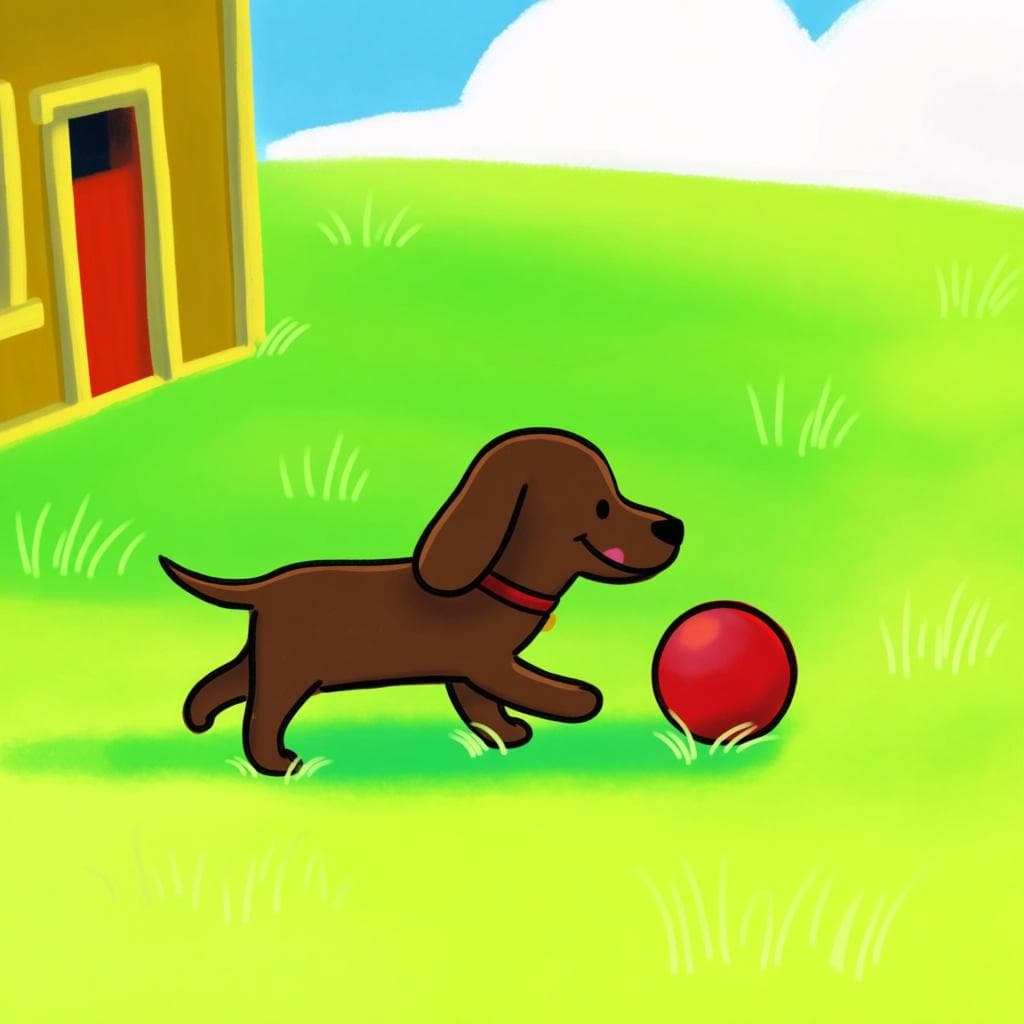
Use 'afuera' when you mean 'outside' or 'in the open air' as a general location or direction, often referring to activities happening outside a building.
Learn more →
Use 'exteriores' to refer to outdoor spaces or areas, especially in formal contexts or when discussing film/photography settings ('on location').
Learn more →ah-FWEH-rahaˈfweɾa
Examples
Los niños están jugando afuera.
The children are playing outdoors.
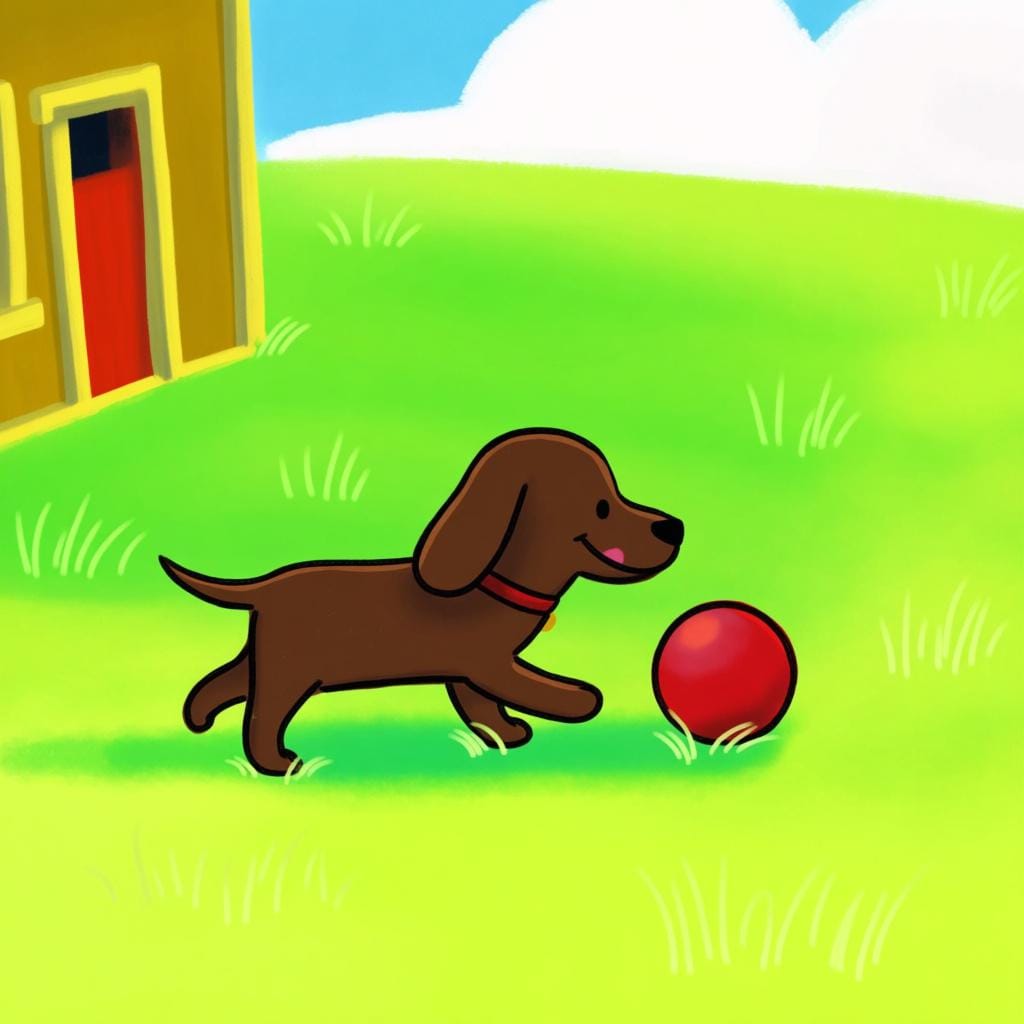
El perro está jugando afuera en el jardín.
The dog is playing outside in the garden.
Hace un día precioso, ¿comemos afuera?
It's a beautiful day, shall we eat outside?
Si tienes calor, sal afuera a tomar un poco de aire.
If you're hot, go outside to get some air.
Afuera vs. Fuera
These two words are very similar and often used in the same way. Think of 'afuera' as suggesting movement 'to the outside' (like 'sal afuera' - go outside). 'Fuera' often describes a fixed position 'at the outside' (like 'está fuera' - he is outside). But don't worry, in most everyday situations, you can use either one and people will understand you perfectly.
Saying 'Outside Of'
Mistake: “Quiero sentarme afuera del café.”
Correction: Quiero sentarme fuera del café. (I want to sit outside the café.) When you want to say 'outside of' a specific place, it sounds a little more natural to use 'fuera de' instead of 'afuera de'. Both are understood, but 'fuera de' is more common.
eks-teh-ryoh-rehseksteˈɾjoɾes

Examples
La ceremonia se llevará a cabo en los exteriores del castillo.
The ceremony will take place in the outdoor grounds of the castle.
La película fue rodada íntegramente en exteriores.
The movie was filmed entirely on location.
Los exteriores del palacio son impresionantes.
The palace grounds are impressive.
Outdoors vs. Outside
Mistake: “Using 'exteriores' for every 'outside' situation.”
Correction: Use 'afuera' for the simple direction 'outside.' Use 'exteriores' when talking about the physical areas or spaces themselves.
Adverb vs. Noun Usage
The most common mistake is using 'exteriores' when you simply mean 'outside' or 'in the open air'. Remember that 'afuera' is an adverb describing location, while 'exteriores' is a noun referring to outdoor places or settings.
Related Translations
Learn Spanish with Inklingo
Interactive stories, personalized learning, and more.