How to Say "should go" in Spanish
The most common Spanish word for “should go” is “fuera” — use 'fuera' when expressing a desire or a general suggestion that someone go somewhere, often in the past subjunctive.

fuera
FWEH-rahˈfweɾa
Examples
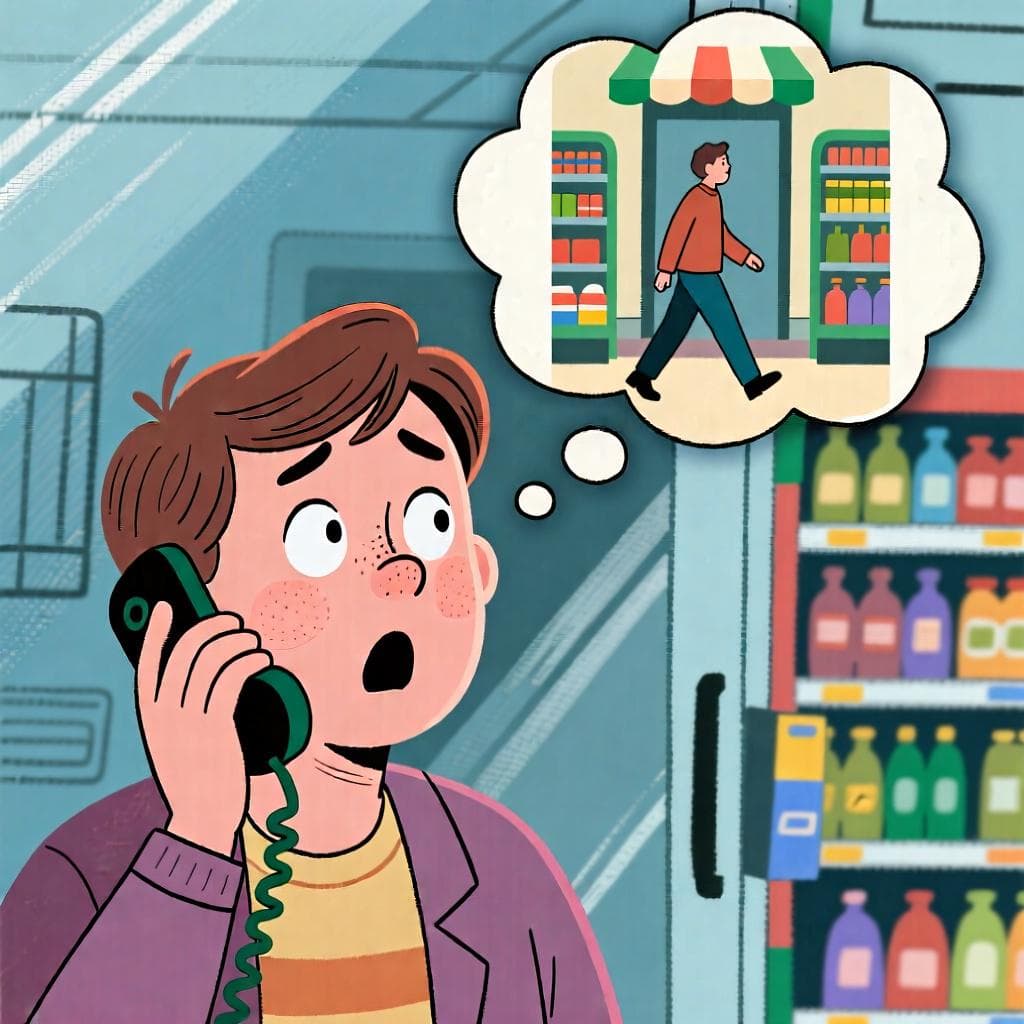
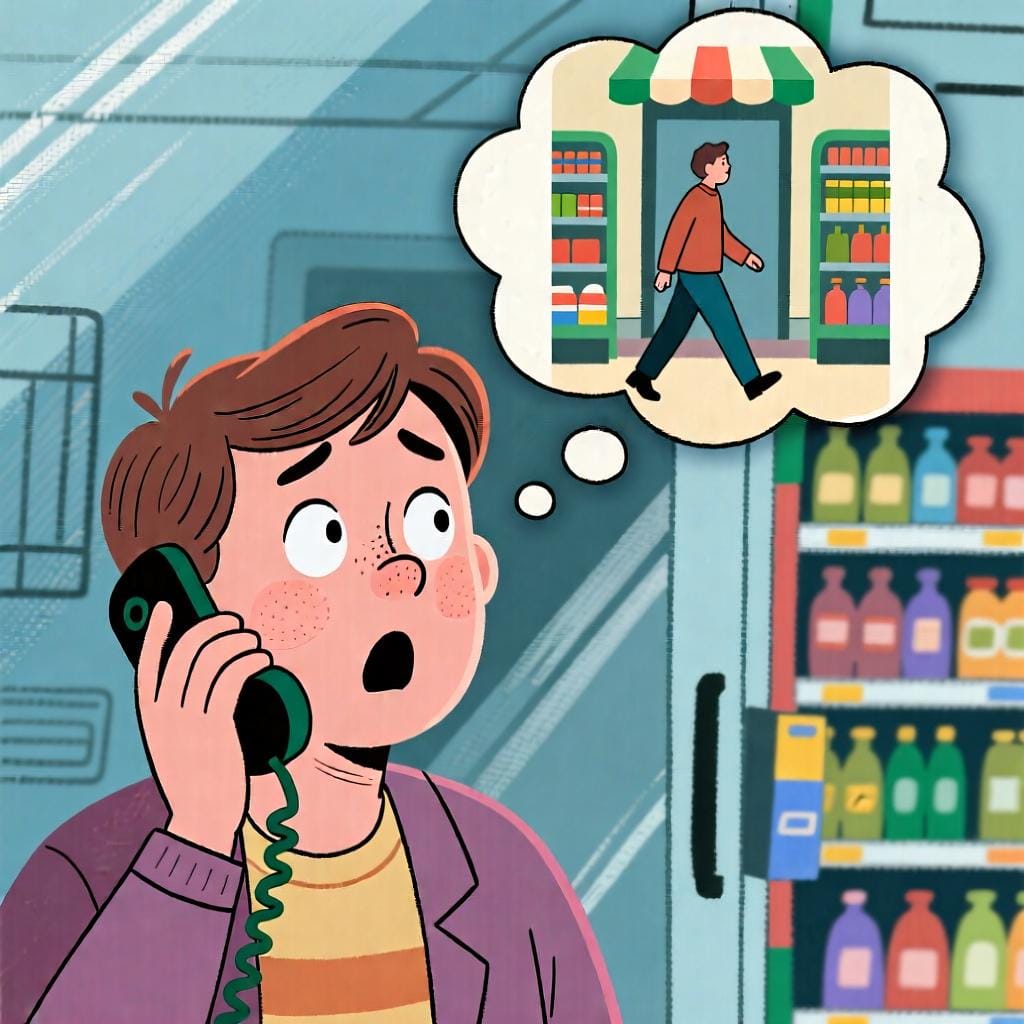
Mi madre quería que yo fuera al supermercado.
My mother wanted me to go to the supermarket.
No me sorprendería que él no fuera a la reunión.
It wouldn't surprise me if he didn't go to the meeting.
Te lo daría si fuera posible.
I would give it to you if it were possible.
Reporting Requests to 'Go'
This 'fuera' comes from 'ir' (to go). You use it after verbs like 'querer' (to want) or 'pedir' (to ask) when talking about a past request for someone to go somewhere.
Confusing with 'iba'
Mistake: “Me pidió que yo iba a la tienda.”
Correction: Me pidió que yo fuera a la tienda. When someone asks, wants, or doubts something in the past, the next verb often needs this special 'fuera' form, not the regular past form 'iba'.
fuese
FWAY-sayˈfwese
Examples
Mi madre insistió en que fuese a la universidad.
My mother insisted that I go/went to the university.
Le pedí que fuese más despacio por la carretera.
I asked him to go slower on the road.
Si ella no fuese, el plan fracasaría.
If she didn't go, the plan would fail.
Action vs. State
When 'fuese' means 'ir' (to go), it expresses an action or movement requested or doubted. When it means 'ser' (to be), it describes a quality or state.
Mixing Tenses
Mistake: “Dijo que fuese.”
Correction: This is correct, but sometimes learners mistakenly use 'va' (present indicative) after a past trigger: 'Dijo que va'. Remember that a past trigger like 'dijo' requires a past verb form like 'fuese'.
Distinguishing Suggestion from Insistence
Learn Spanish with Inklingo
Interactive stories, personalized learning, and more.