How to Say "passes" in Spanish
The most common Spanish word for “passes” is “boletos” — use 'boletos' when referring to tickets for transportation like trains or buses, or for general admission to events.

boletos
boh-LEH-tohsboˈletos
Examples
¿Cuántos boletos necesitamos para el tren?
How many tickets do we need for the train?
Perdí mis boletos del avión en el aeropuerto.
I lost my plane tickets at the airport.
Los boletos para el partido de fútbol se vendieron en una hora.
The tickets for the soccer match sold out in one hour.
Masculine Plural
Since 'boleto' is a masculine singular word, 'boletos' is the masculine plural form. Remember to use masculine articles with it: 'los boletos' (the tickets) or 'unos boletos' (some tickets).
Using the wrong word for travel
Mistake: “Using 'tiquetes' (an anglicism in some areas) too frequently.”
Correction: While 'tiquetes' is understood, stick to 'boletos' or 'billetes' for a more formal or standard Spanish sound.
entradas
en-TRAH-dasenˈtɾa.ðas

Examples
¿Cuántas entradas compraste para el partido de fútbol?
How many tickets did you buy for the soccer match?
Las entradas para el concierto se agotaron en una hora.
The tickets for the concert sold out in one hour.
Feminine Plural Noun
Remember that 'entradas' is always feminine, so you'll use feminine words like 'las' (the) and feminine adjectives with it: 'las entradas caras' (the expensive tickets).
Using 'tiques'
Mistake: “Compré tres tiques.”
Correction: Compré tres entradas/boletos. ('Tiques' is understood but 'entradas' is the correct, official Spanish word for event tickets.)
pases
PAH-sesˈpases
Examples
Necesito dos pases para el concierto de esta noche.
I need two tickets for tonight's concert.
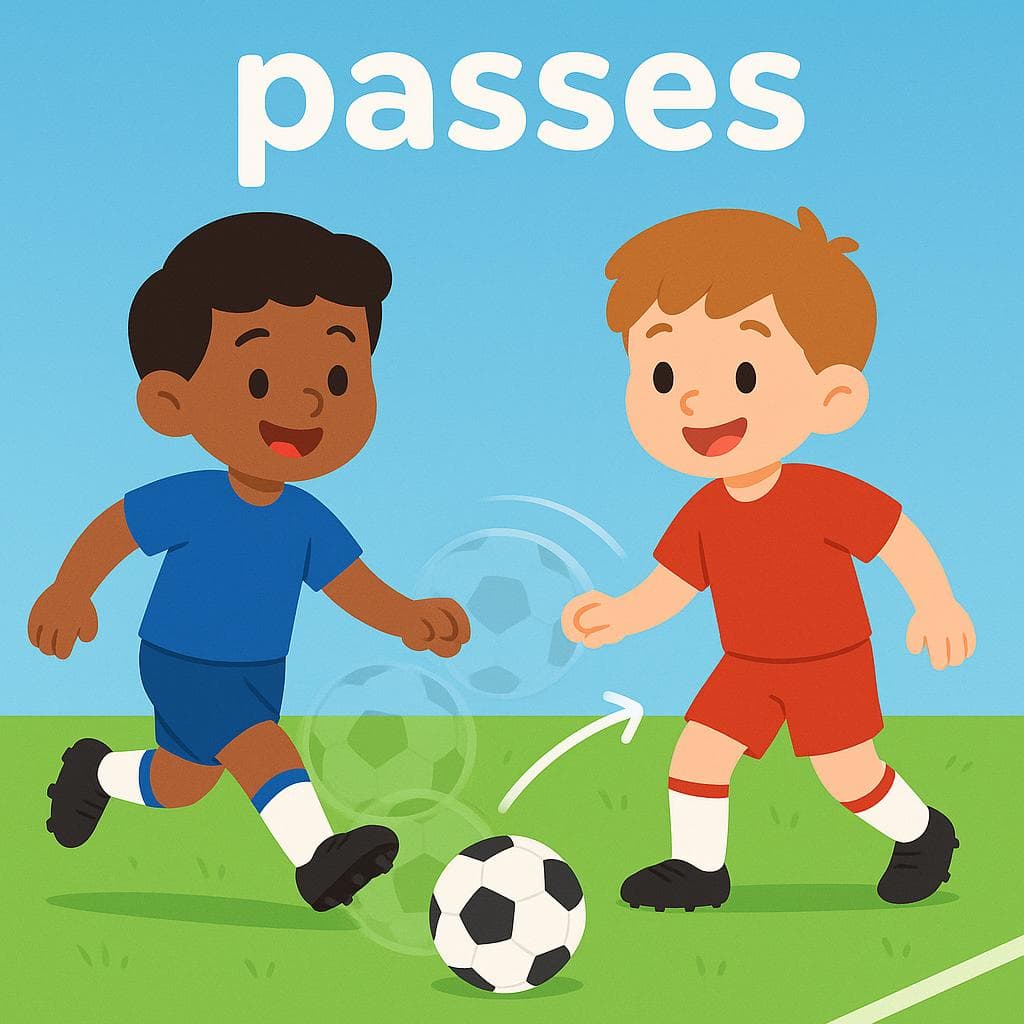
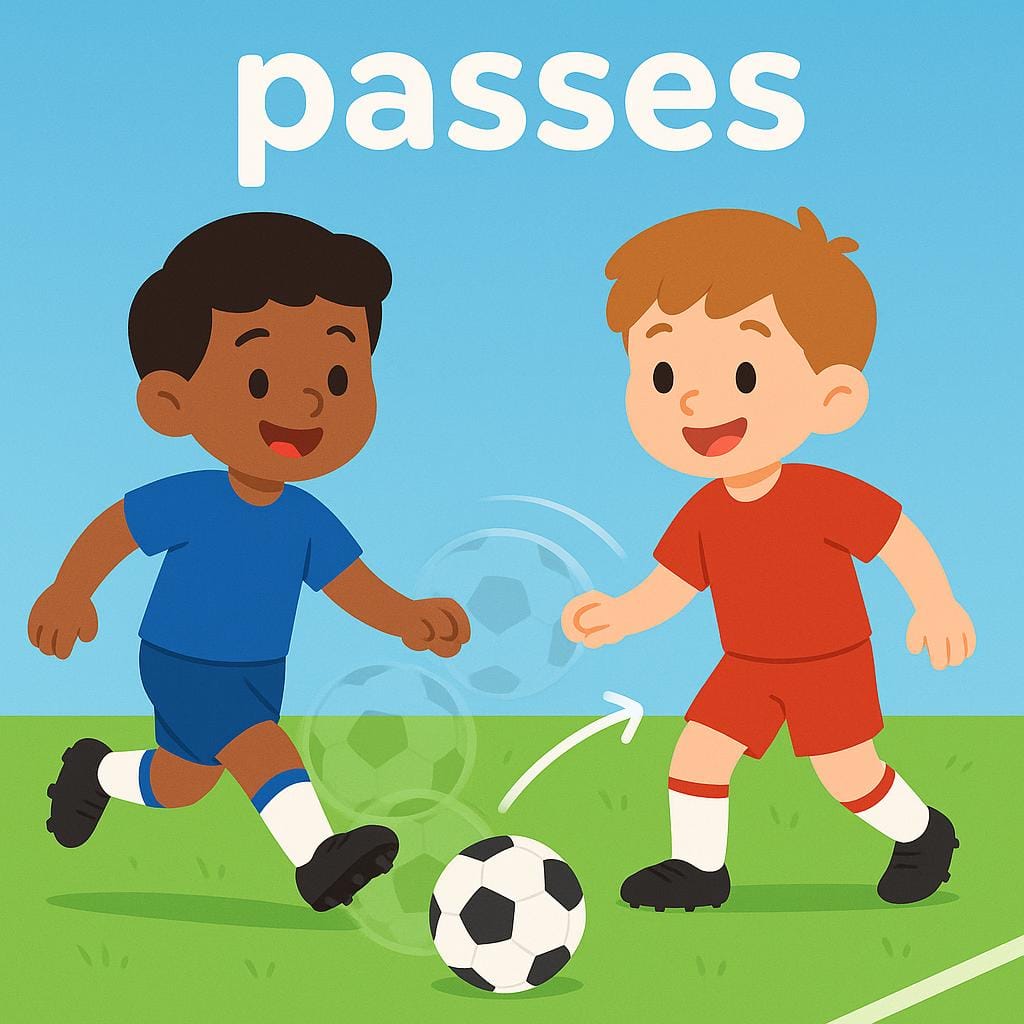
Los jugadores hicieron muchos pases rápidos.
The players made many quick passes (in the game).
Hemos comprado abonos de diez pases para el metro.
We have bought ten-ride passes for the subway.
Plural Rule
The singular noun is 'pase' (ending in 'e'). To make it plural, you just add an 's' to the end: 'pases'.
Gender Consistency
Since 'pase' is a masculine noun, its plural 'pases' must always use masculine articles and adjectives (e.g., los pases, pases rápidos).
billetes
bee-yeh-tesbiˈʎetes
Examples
Perdí mis billetes de tren y ahora no puedo viajar.
I lost my train tickets and now I can't travel.
Necesitamos comprar los billetes para el partido de fútbol.
We need to buy the tickets for the soccer match.
Los billetes de avión son muy caros en verano.
The plane tickets are very expensive in summer.
Focus on the Destination
When talking about travel tickets, you usually specify the type: 'billetes de avión' (plane tickets), 'billetes de autobús' (bus tickets).
Tickets vs. Entry
Related Translations
Learn Spanish with Inklingo
Interactive stories, personalized learning, and more.