How to Say "pays" in Spanish
The most common Spanish word for “pays” is “paga” — use 'paga' when referring to the act of giving money for goods, services, or debts.

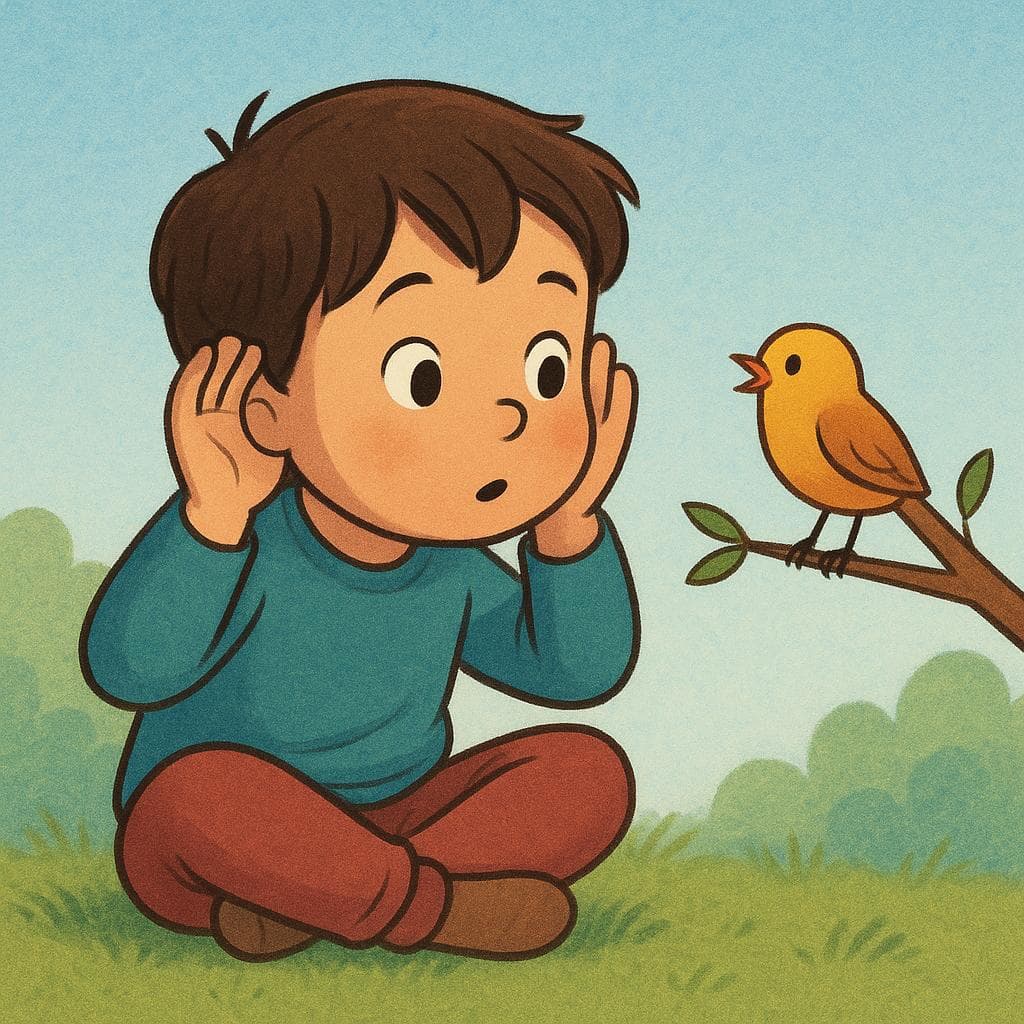
paga
PAH-gahˈpaɣa

Examples
Mi hermano siempre paga la cena.
My brother always pays for dinner.
¡Paga lo que debes y vámonos!
Pay what you owe and let's go!
Spelling Change in the Preterite
To keep the 'g' sound hard (like the 'g' in 'go') when the following vowel is 'e', we add a silent 'u'. That's why 'yo pagué' (I paid) is spelled with 'gu'.
Pronunciation in Preterite
Mistake: “Spelling 'yo pagé' instead of 'yo pagué'.”
Correction: If you don't add the 'u', the sound changes to a soft 'j' sound! Remember 'pagué' to keep the correct hard 'g' sound.
presta
press-tahˈpɾesta
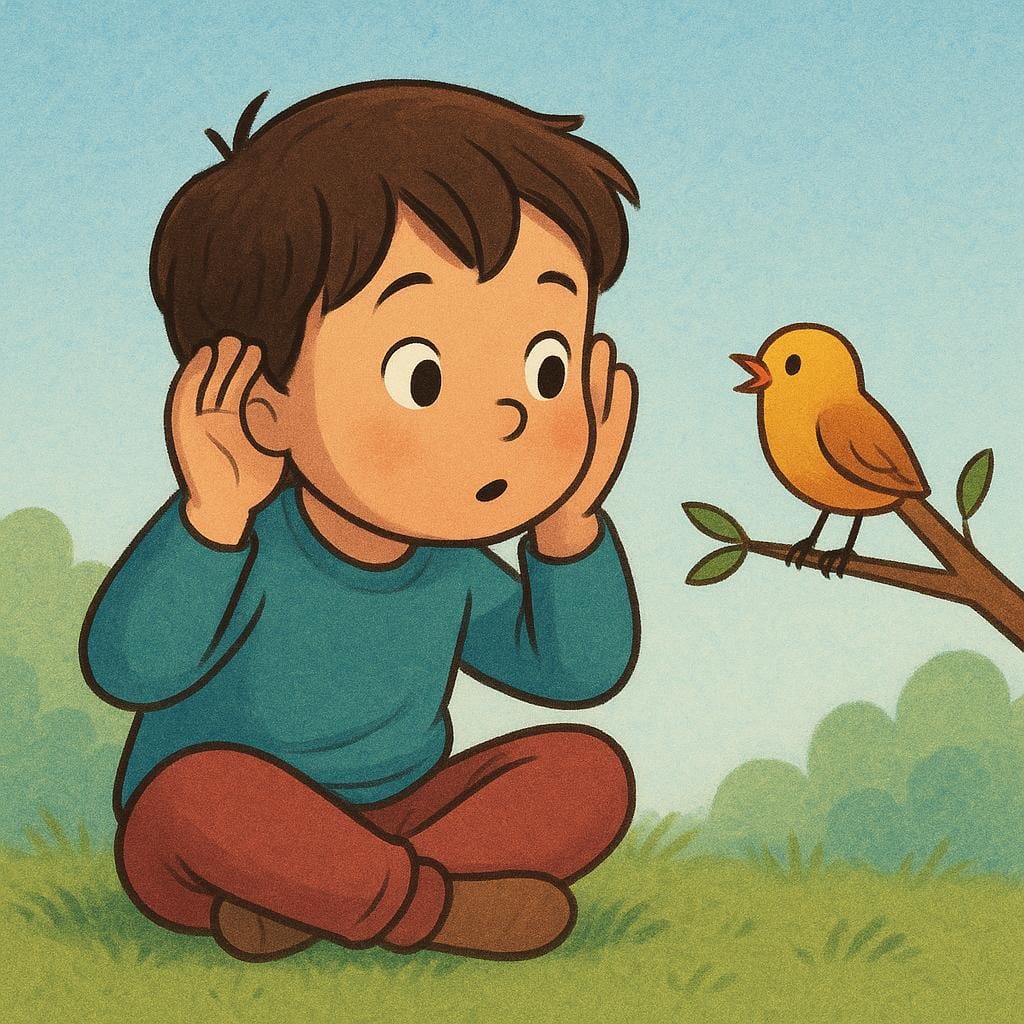
Examples
El estudiante nunca presta atención en clase.
The student never pays attention in class.
Presta más atención a lo que te digo.
Pay more attention to what I tell you. (Informal command)
La Cruz Roja presta servicios esenciales a la comunidad.
The Red Cross provides essential services to the community.
Fixed Phrase
When talking about attention, 'prestar' is almost always used with the noun 'atención' (attention) to mean 'to pay attention.'
Confusing 'prestar' and 'pagar'
Mistake: “Saying 'pagar atención' (to pay attention) like in English.”
Correction: In Spanish, we 'lend' attention: 'prestar atención.' You only 'pay' ('pagar') money.
Confusing 'paga' and 'presta'
Related Translations
Learn Spanish with Inklingo
Interactive stories, personalized learning, and more.