How to Say "perfect" in Spanish
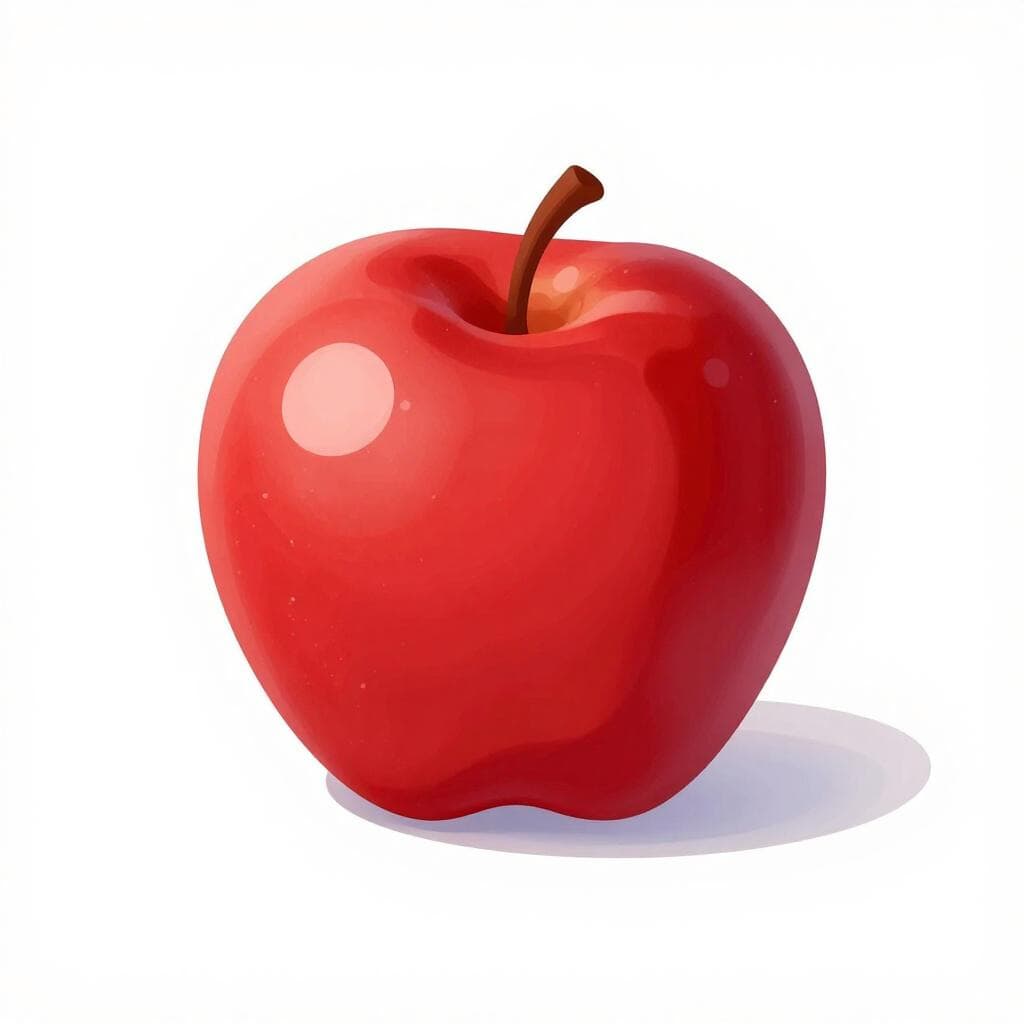
The most common Spanish word for “perfect” is “perfecto” — use 'perfecto' for a general sense of flawlessness, without any faults or defects, often describing a situation, object, or state.


perfecto
per-FEK-tohpeɾˈfekto

Examples
Este es el lugar perfecto para unas vacaciones.
This is the perfect place for a vacation.
Tu pronunciación no es perfecta, pero se entiende muy bien.
Your pronunciation isn't perfect, but it's very easy to understand.
La película tiene un final perfecto.
The movie has a perfect ending.
Making it Match
Like most Spanish describing words, 'perfecto' changes to match the person or thing it describes. Use 'perfecto' for masculine things, 'perfecta' for feminine things, 'perfectos' for masculine plural, and 'perfectas' for feminine plural. (e.g., un día perfecto, una noche perfecta).
Describing a Thing vs. an Action
Mistake: “El equipo jugó perfecto.”
Correction: El equipo jugó perfectamente. (The team played perfectly.) Use 'perfecto' to describe the team (a thing), but 'perfectamente' to describe *how* they played (an action).
ideal
ee-deh-AHLiˈðeal

Examples
Esta casa tiene la ubicación ideal para mí.
This house has the ideal location for me.
Ella encontró el trabajo ideal después de graduarse.
She found the perfect job after graduating.
Para un picnic, un día soleado es ideal.
For a picnic, a sunny day is ideal.
Adjective Agreement (Easy)
Unlike many Spanish adjectives, 'ideal' always stays the same regardless of whether the noun is masculine or feminine (e.g., 'el coche ideal,' 'la casa ideal').
Gender Change
Mistake: “La situación ideala.”
Correction: La situación ideal. The ending of 'ideal' does not change to match feminine nouns.
impecable
eem-peh-KAH-blehim.peˈka.ble
Examples
Su presentación fue impecable y convenció a todos.
Her presentation was flawless and convinced everyone.
Después de la limpieza, la cocina quedó impecable.
After the cleaning, the kitchen was left spotless.
El actor hizo un trabajo impecable en la nueva película.
The actor did an impeccable job in the new movie.
One Form for Everyone
In Spanish, adjectives that end in '-e' don't change for men or women. You use 'impecable' for both 'un hombre' and 'una mujer'—no need to change the ending to '-a'!
Placement for Emphasis
Usually, 'impecable' comes after the noun (the thing it's describing), like 'un traje impecable.' If you put it before the noun, it sounds more poetic or dramatic.
The 'a' Trap
Mistake: “La casa está impecabla.”
Correction: La casa está impecable. Remember, this word always ends in 'e' regardless of the noun's gender.
Choosing between 'perfecto' and 'ideal'
Related Translations
Learn Spanish with Inklingo
Interactive stories, personalized learning, and more.