How to Say "picking up" in Spanish
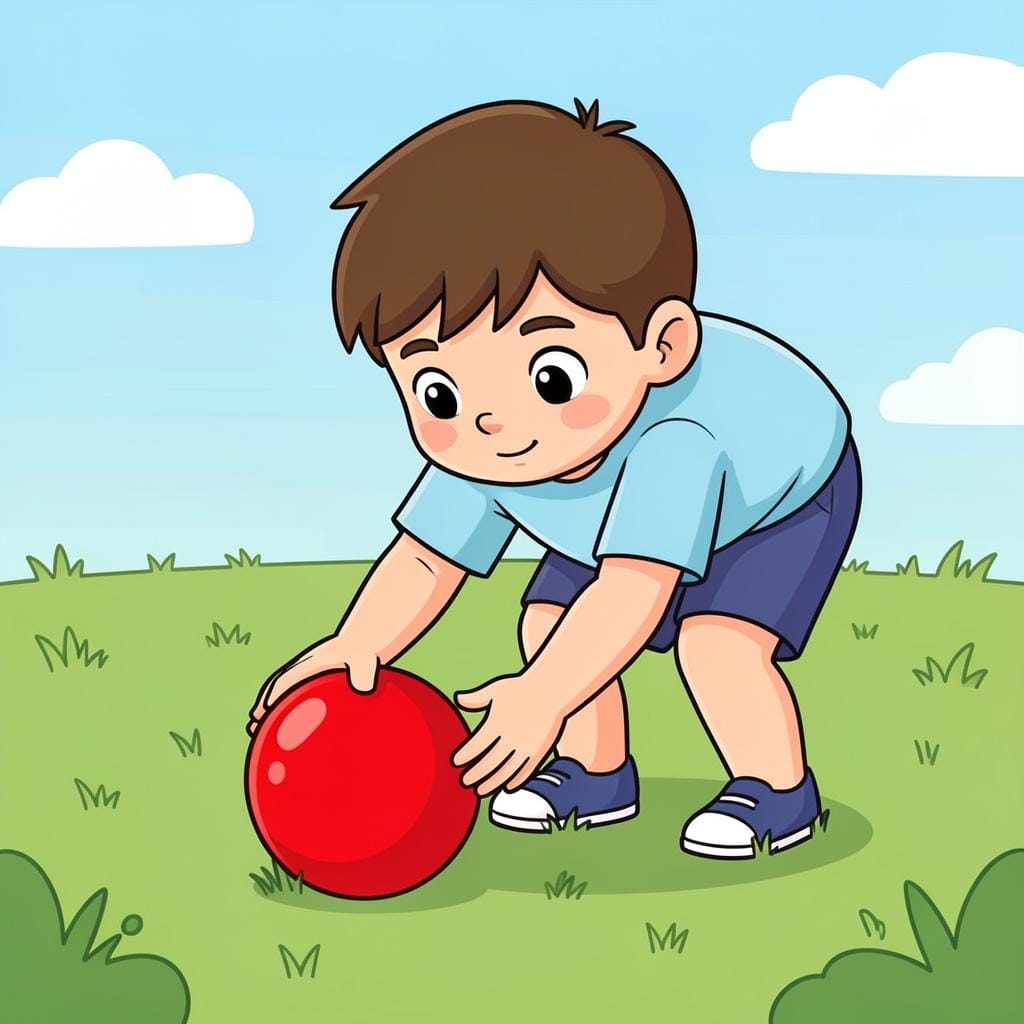
The most common Spanish word for “picking up” is “recogiendo” — use this when referring to the action of lifting or collecting physical objects from a surface or location.
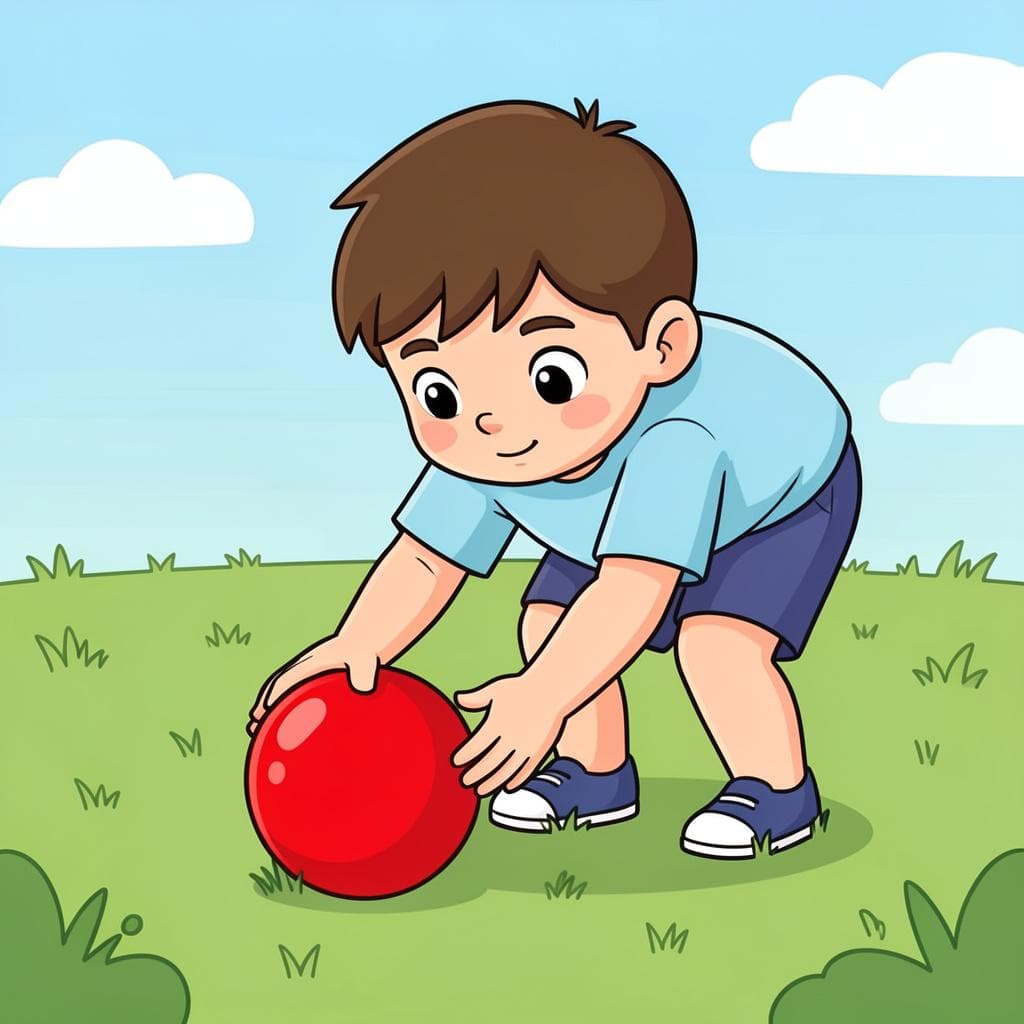
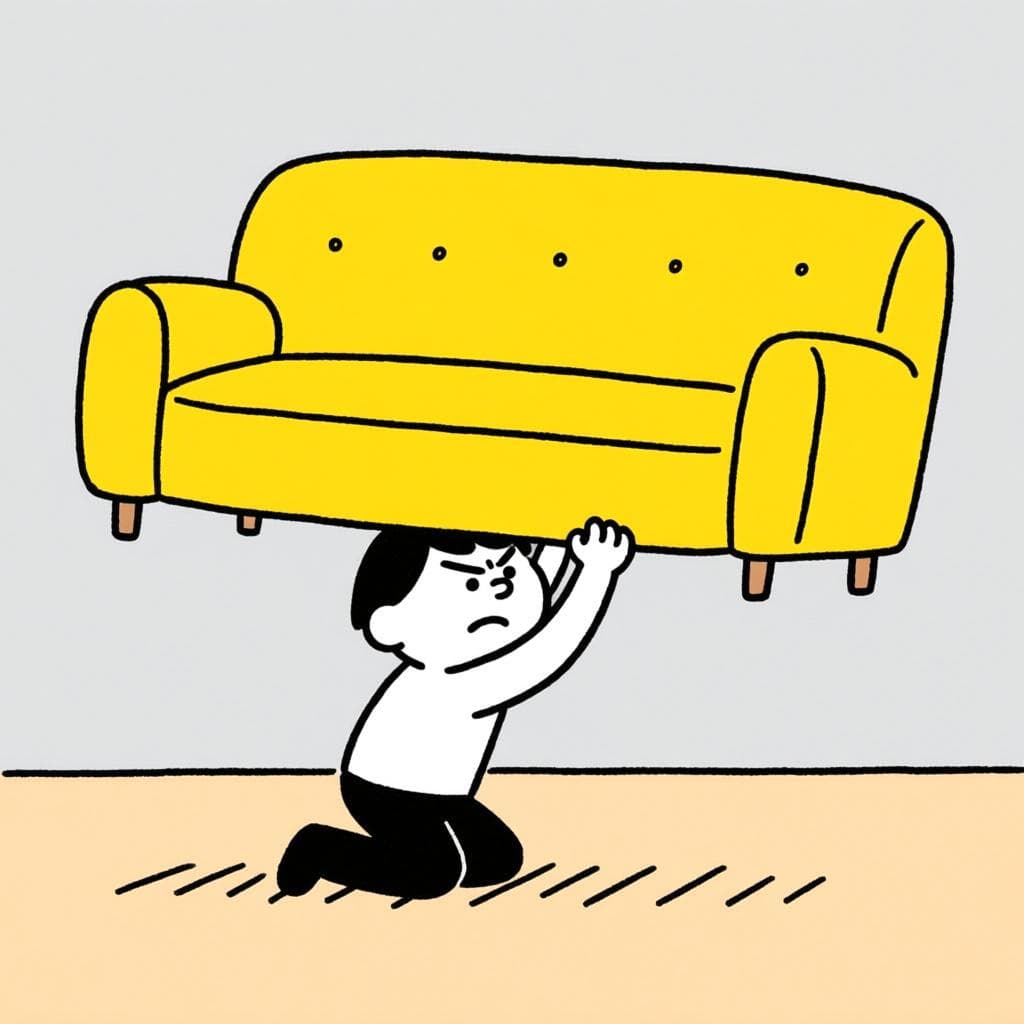


recogiendo
re-ko-HYEN-dorekoˈxjendo
Examples
Llevo toda la mañana recogiendo mis juguetes.
I've been picking up my toys all morning.
Están recogiendo manzanas en el huerto.
They are gathering apples in the orchard.
The -ing Form
This word is the 'doing' form (gerund) of the verb 'recoger'. In Spanish, you use '-iendo' for '-er' verbs to show an action is happening right now.
Spelling Rule
Even though the base verb 'recoger' sometimes changes its 'g' to a 'j' (like in 'recojo'), it keeps the 'g' in 'recogiendo' because it is followed by an 'i'.
Spelling with J
Mistake: “recojiendo”
Correction: recogiendo (use 'g' because the next letter is 'i')
buscando
boos-KAHN-dohbusˈkando
Examples
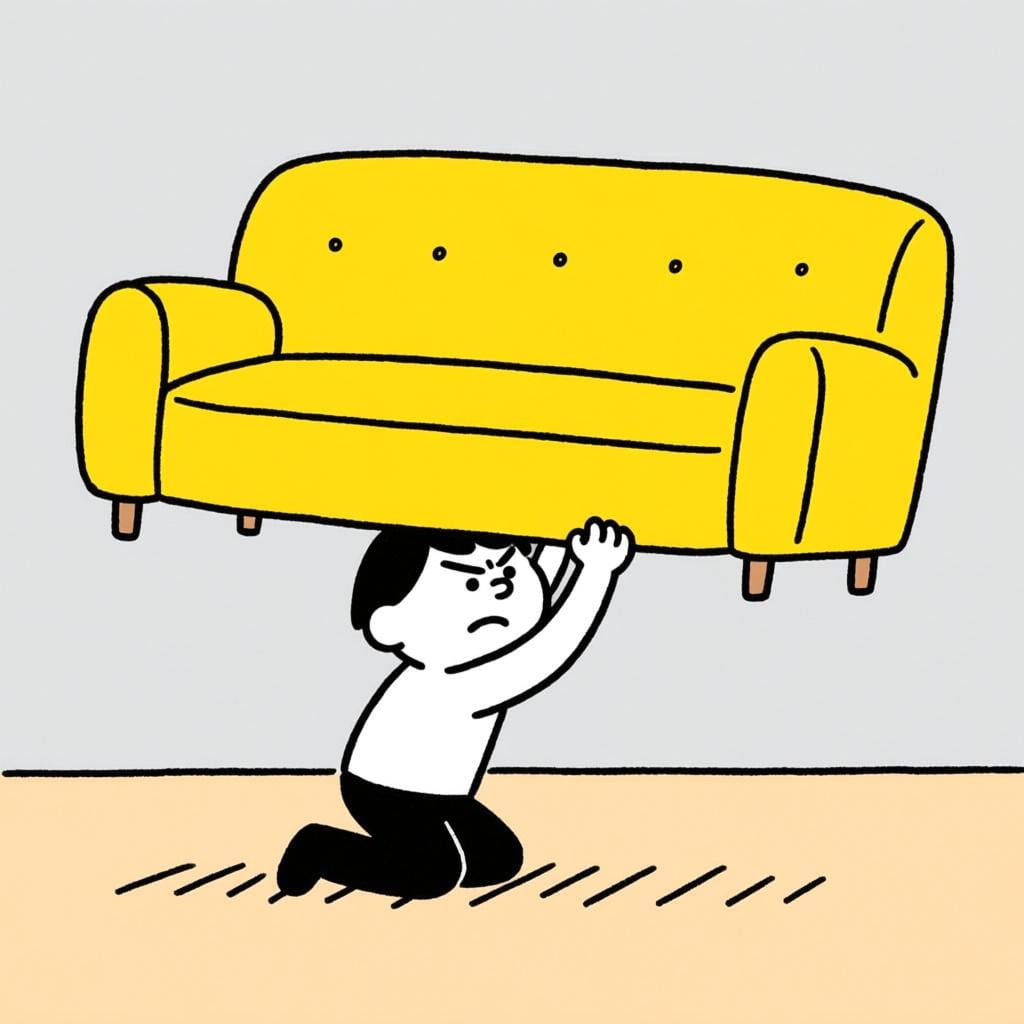
Voy a la estación a buscar a mi amigo.
I'm going to the station to pick up my friend.
Estoy buscando mis llaves.
I am looking for my keys.
¿Qué estás buscando?
What are you looking for?
Pasé la tarde buscando información en la biblioteca.
I spent the afternoon searching for information in the library.
The Spanish '-ing' Form
buscando is the Spanish equivalent of adding '-ing' to 'look for'. It's a special form called a gerund (gerundio) that describes an action in progress. You'll almost always see it paired with a form of the verb estar (to be).
It Never Changes
One great thing about buscando is that it always stays the same, no matter who is doing the action. It's buscando for 'I', 'you', 'he', 'she', or 'they'. The verb estar is the one that changes: Estoy buscando, Estás buscando, Están buscando.
Adding an Unnecessary 'for'
Mistake: “Estoy buscando por mis llaves.”
Correction: Just say `Estoy buscando mis llaves.` In Spanish, the verb `buscar` already includes the idea of 'for,' so you don't need to add another word like `por`.
aprendiendo
ah-pren-DYEN-doha.pɾenˈdjen.do

Examples
Mi hijo está aprendiendo a leer en la escuela.
My son is learning to read at school.
Hemos estado aprendiendo mucho sobre la historia del arte.
We have been learning a lot about art history.
Ella sigue aprendiendo el idioma, aunque ya habla bien.
She keeps learning the language, even though she already speaks well.
The '-ing' Form
This word is the Spanish equivalent of English verbs ending in '-ing' (learning, running, talking). It describes an action currently in progress.
Using the Gerund
You must use 'aprendiendo' with a form of the verb 'estar' (to be) to show continuous action: 'Estoy aprendiendo' (I am learning).
Always Ends in -iendo
Since the base verb 'aprender' ends in '-er', its gerund (the -ing form) always ends in '-iendo', unlike '-ar' verbs which use '-ando'.
Mixing Gerunds and Infinitives
Mistake: “Using 'Estoy aprender' instead of 'Estoy aprendiendo'.”
Correction: The verb 'estar' must always be followed by the '-ing' form ('aprendiendo') to describe what you are doing right now.
ganando
gah-NAHN-dohɡaˈnando

Examples
El avión está ganando altitud rápidamente después del despegue.
The plane is gaining altitude quickly after takeoff.
Ella está ganando confianza en sí misma con cada presentación.
She is gaining self-confidence with every presentation.
Describing Gradual Change
When used for gaining things like weight, speed, or reputation, 'ganando' emphasizes the continuous, gradual process of that change over time.
Confusing 'Collecting' vs. 'Learning'
Related Translations
Learn Spanish with Inklingo
Interactive stories, personalized learning, and more.