How to Say "pin" in Spanish
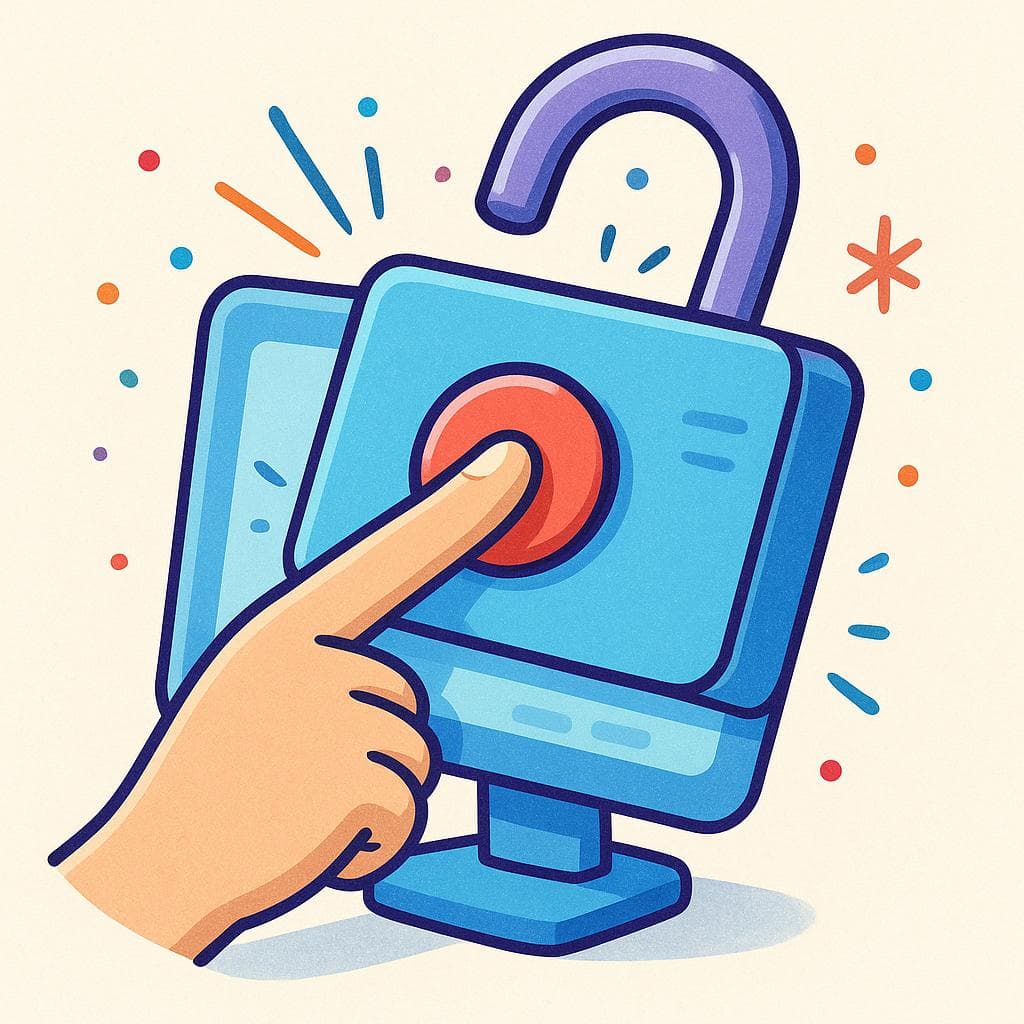
The most common Spanish word for “pin” is “código” — use 'código' when referring to a sequence of numbers or letters used to access or unlock something, like a phone or a computer system.
código
Examples
¿Cuál es el código para desbloquear tu teléfono?
What is the code to unlock your phone?
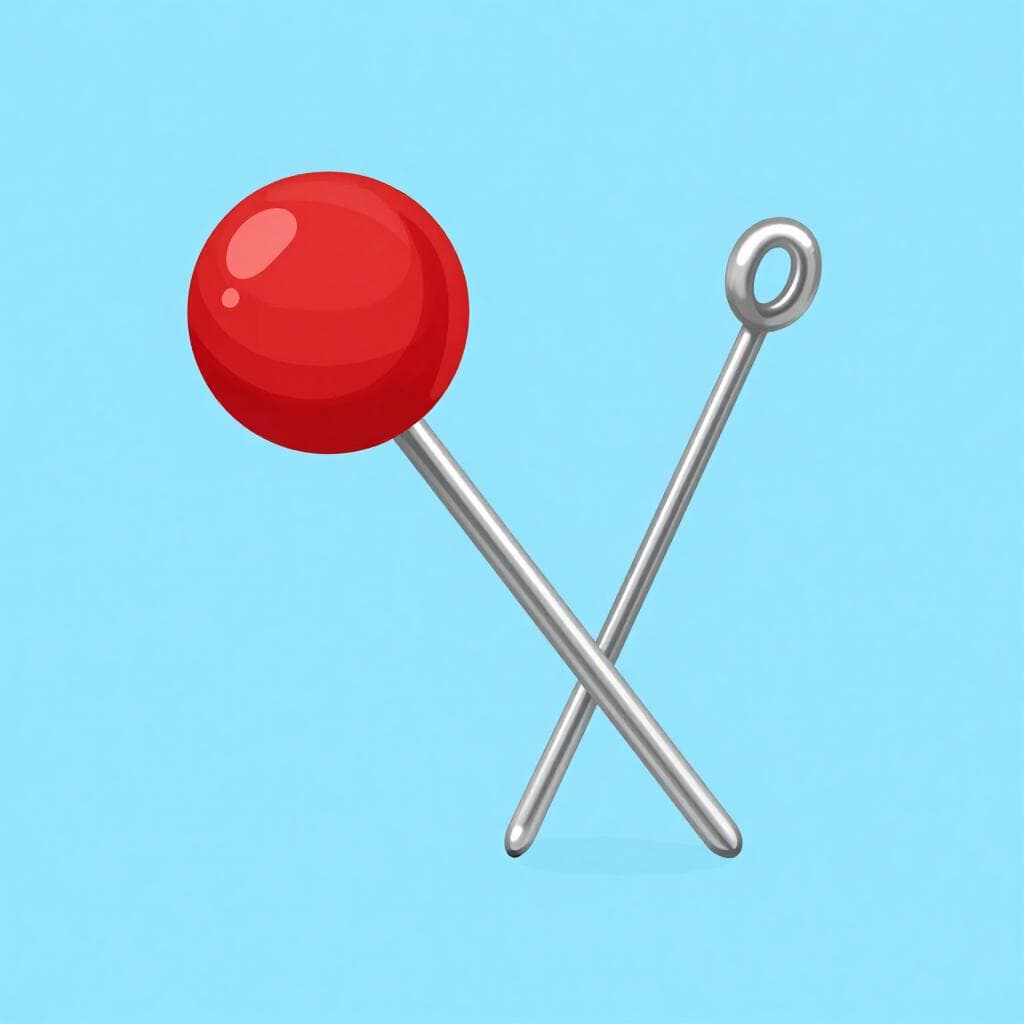
alfiler
al-fee-LEHRal.fiˈleɾ
Examples
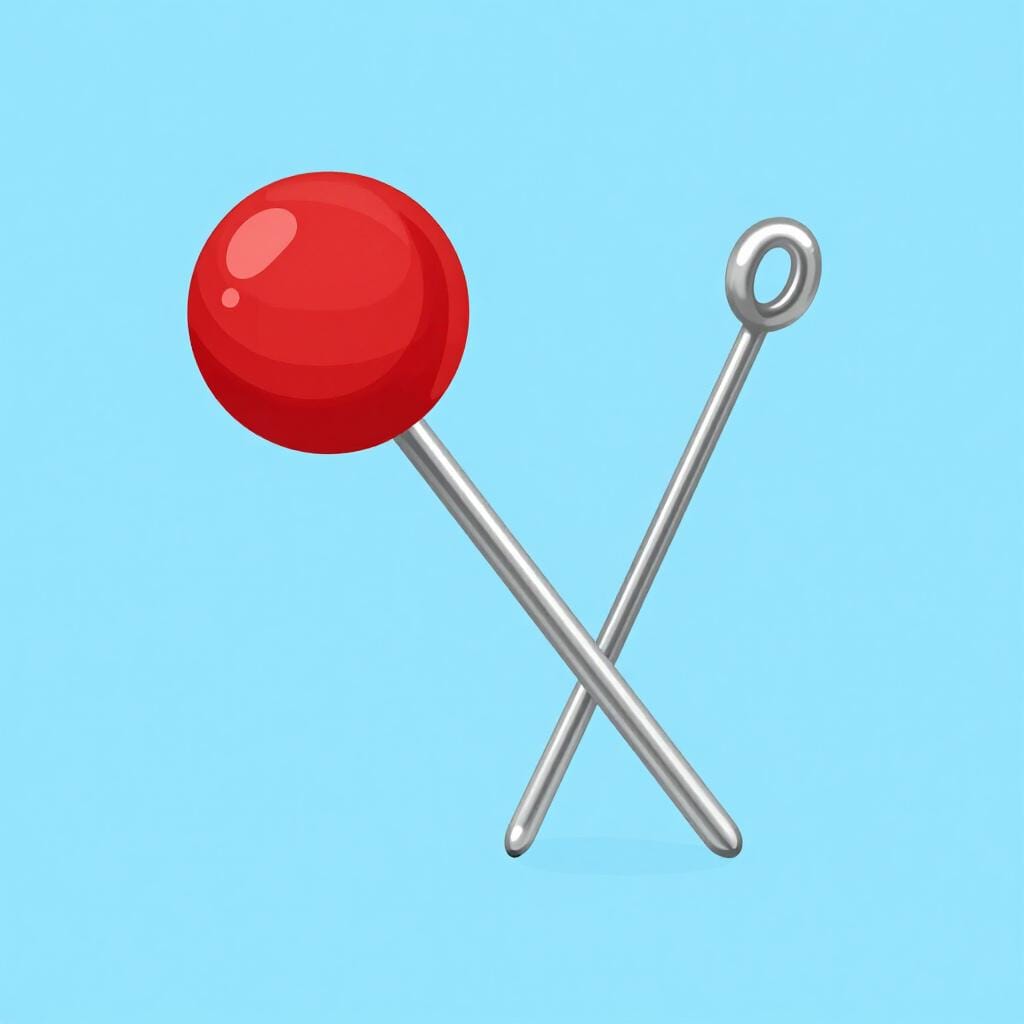
Necesito un alfiler para sujetar la tela.
I need a pin to hold the fabric.
Ten cuidado, hay un alfiler en el suelo.
Be careful, there is a pin on the floor.
El sastre marcó el traje con varios alfileres.
The tailor marked the suit with several pins.
Masculine Ending in 'r'
Even though many beginners think most masculine words end in 'o', words ending in 'r' like 'alfiler' are almost always masculine.
Making it Plural
Since it ends in a consonant (r), you add '-es' to make it plural: 'los alfileres'.
Don't confuse it with 'aguja'
Mistake: “Usar un alfiler para coser con hilo.”
Correction: Use 'aguja' (needle) for sewing with thread. An 'alfiler' is just for holding things in place temporarily.
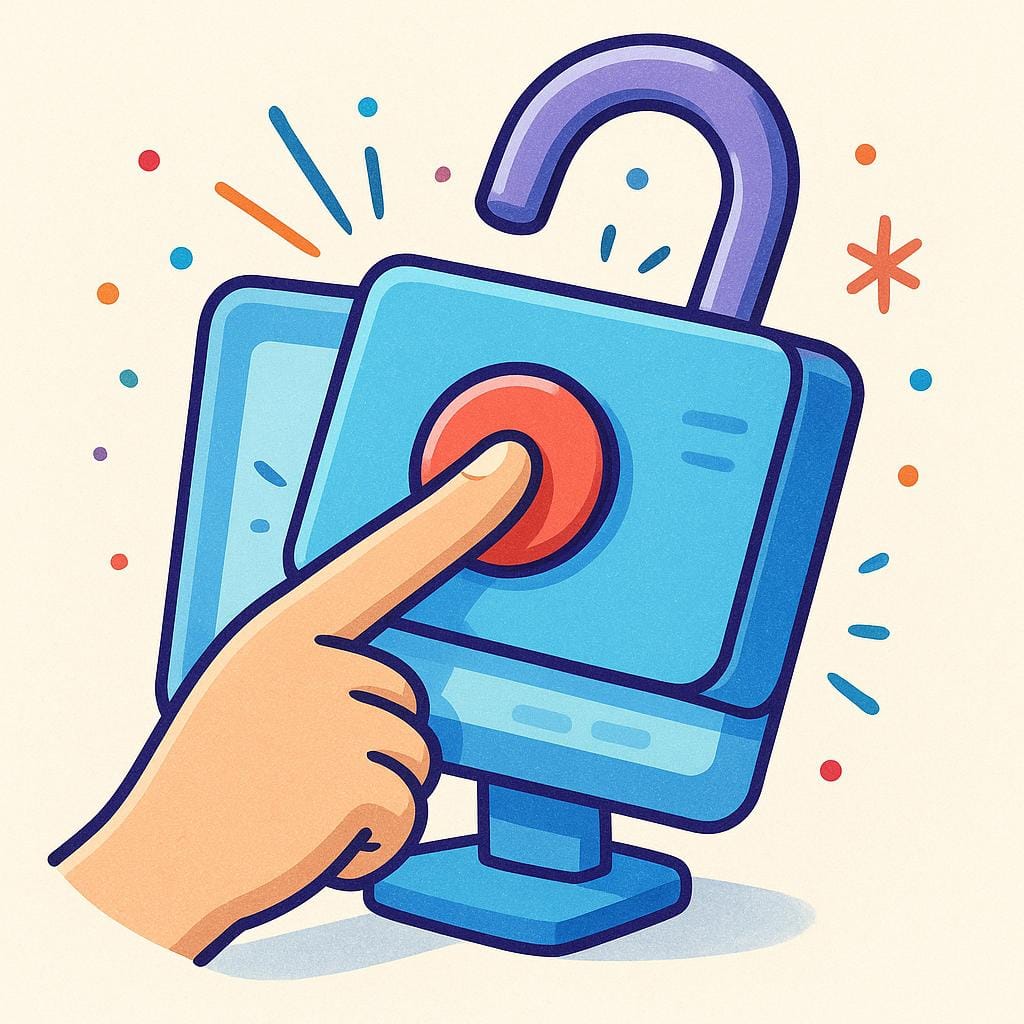
clave
KLAH-vehˈklaβe
Examples
Olvidé la clave de mi correo electrónico.
I forgot my email password.
Por seguridad, cambia tu clave cada mes.
For security, change your code every month.
Always Feminine
Even though 'clave' refers to a code or password, it is always a feminine noun: 'la clave'.
Gender Confusion
Mistake: “El clave (using the masculine article)”
Correction: La clave (always use the feminine article 'la' or 'una').
broche
bro-cheˈbɾotʃe
Examples
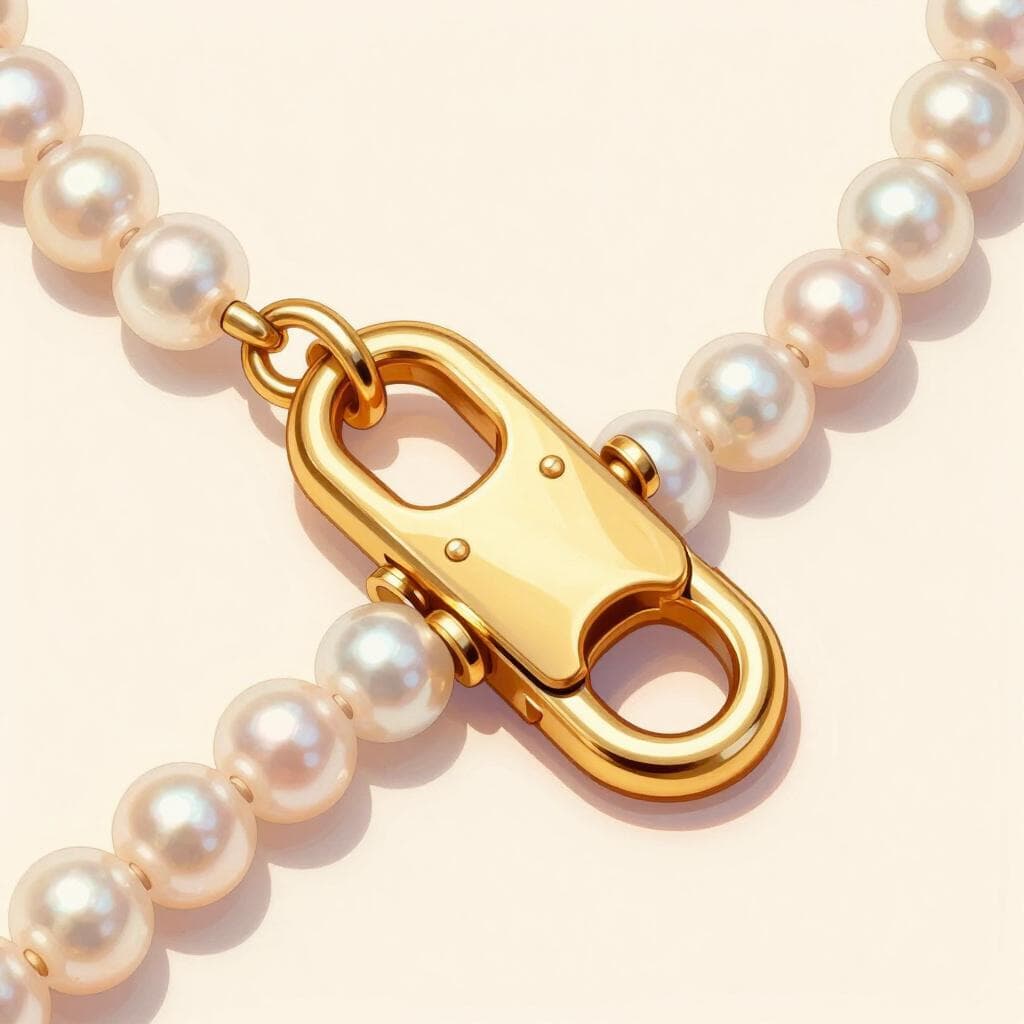
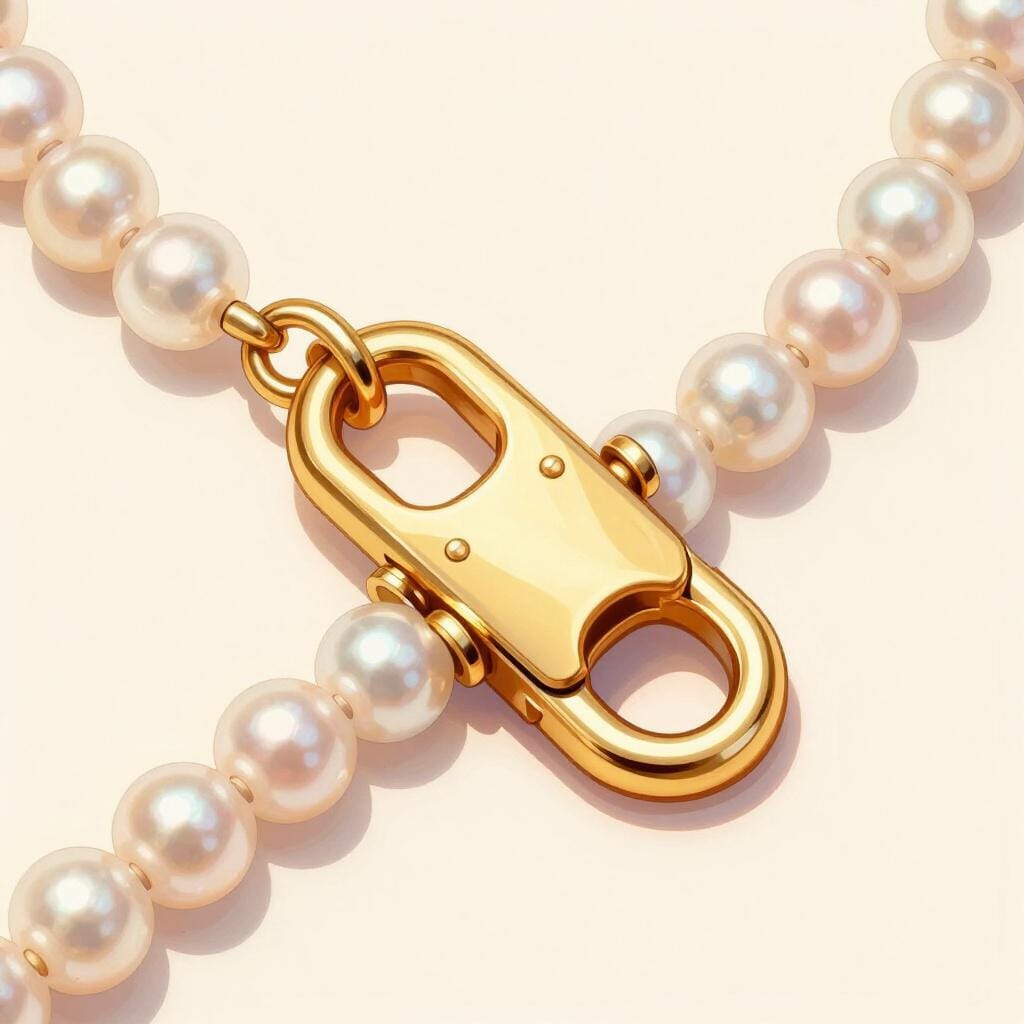
Se me rompió el broche de la pulsera.
The clasp of my bracelet broke.
Ella lleva un broche de plata en su chaqueta.
She is wearing a silver brooch on her jacket.
Asegúrate de cerrar bien el broche del collar.
Make sure to close the necklace clasp properly.
It's a Masculine Word
Even though it ends in 'e', 'broche' is masculine, so you always say 'el broche' or 'un broche'.
Plural Form
To talk about more than one, simply add an 's' to the end: 'los broches'.
Using 'pin' for jewelry
Mistake: “Me gusta tu pin.”
Correction: Me gusta tu broche.
Código vs. Clave for PINs
Learn Spanish with Inklingo
Interactive stories, personalized learning, and more.