How to Say "clue" in Spanish
The most common Spanish word for “clue” is “pista” — use this word when you need a hint or a piece of information to help solve a puzzle, mystery, or even a problem.



pista
PEES-tahˈpis.ta

Examples
No sé la respuesta, ¿puedes darme una pista?
I don't know the answer, can you give me a hint?
La policía no tiene pistas sobre el robo.
The police have no leads on the robbery.
Seguimos la pista de las huellas en la nieve.
We followed the trail of the footprints in the snow.
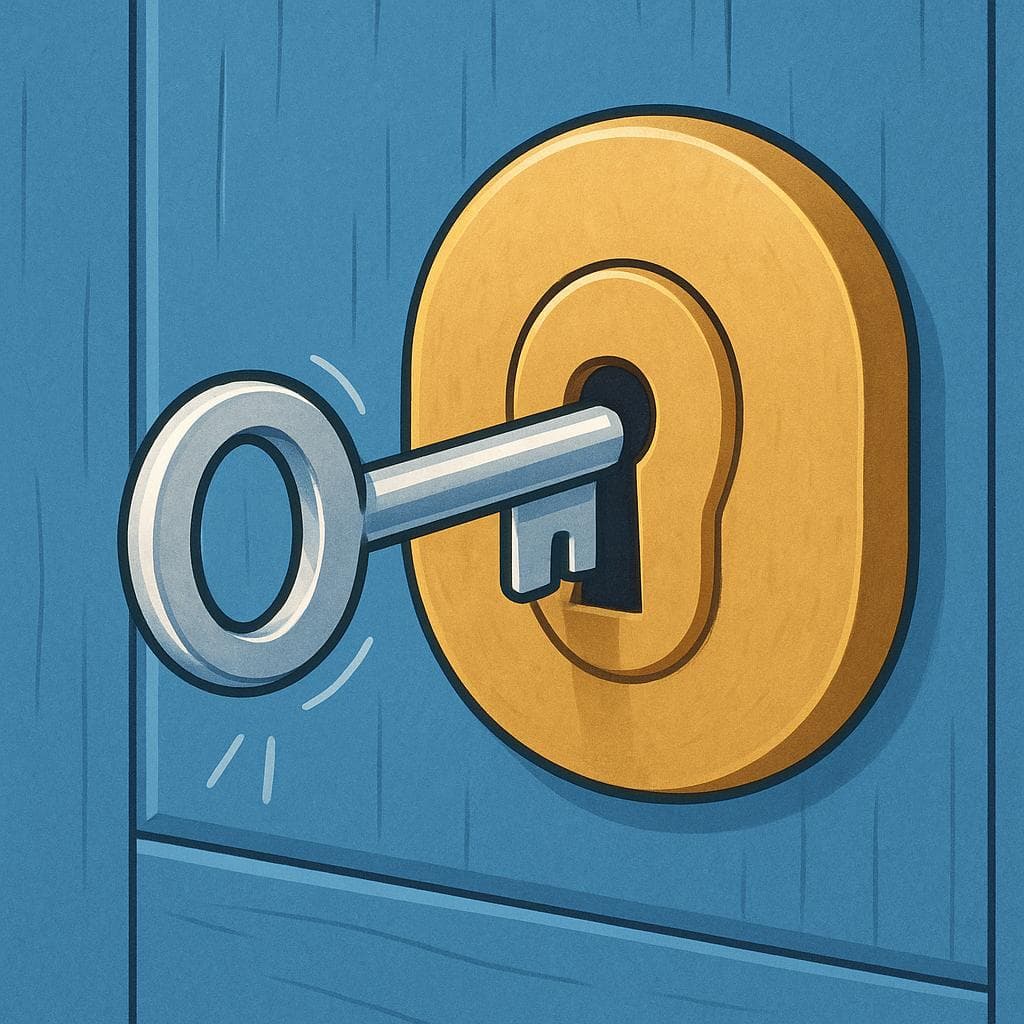
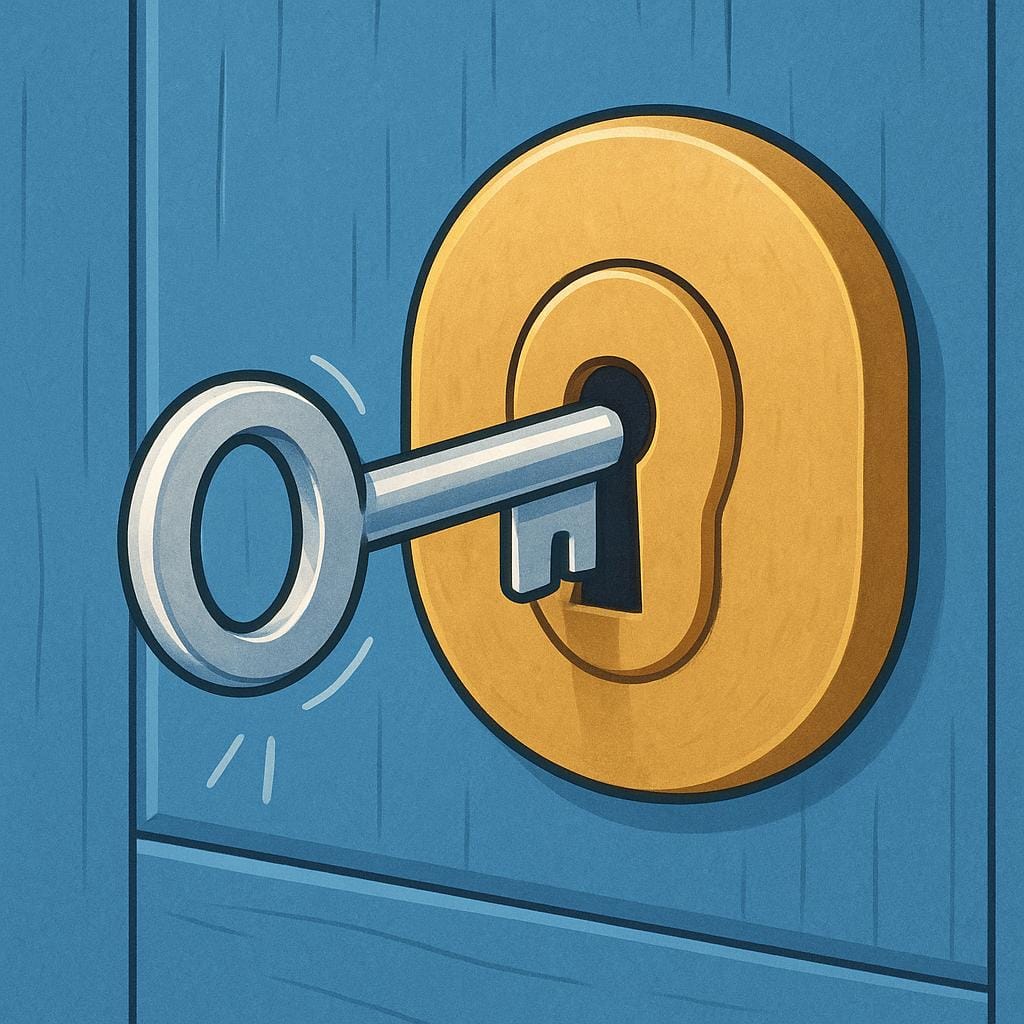
clave
KLAH-vehˈklaβe
Examples
La clave para resolver este problema es la paciencia.
The key to solving this problem is patience.
Su testimonio fue la clave del caso.
His testimony was the key to the case.
idea
ee-DEH-ahiˈðe.a

Examples
No tengo ni la más remota idea de lo que hablas.
I don't have the slightest idea what you're talking about.
Me da la idea de que no está contento.
I get the impression that he is not happy.
Para que te hagas una idea, es tan grande como un coche.
To give you an idea, it's as big as a car.
indicio
een-DEE-syohinˈdi.sjo

Examples
La policía encontró indicios de ADN en la habitación.
The police found traces of DNA in the room.
Existen indicios suficientes para iniciar un juicio.
There is sufficient circumstantial evidence to start a trial.
Buscaban cualquier indicio que los llevara al culpable.
They were looking for any clue that would lead them to the culprit.
Using with 'de'
To say what the clue is about, follow it with 'de'. For example: 'indicio de culpabilidad' (sign of guilt).
Evidence vs. Proof
Mistake: “Thinking 'indicio' means absolute proof.”
Correction: In legal Spanish, an 'indicio' is a clue or suggestion, while a 'prueba' is solid proof. Don't use 'indicio' if the matter is already proven 100%.
Pista vs. Clave
Learn Spanish with Inklingo
Interactive stories, personalized learning, and more.