How to Say "pins" in Spanish
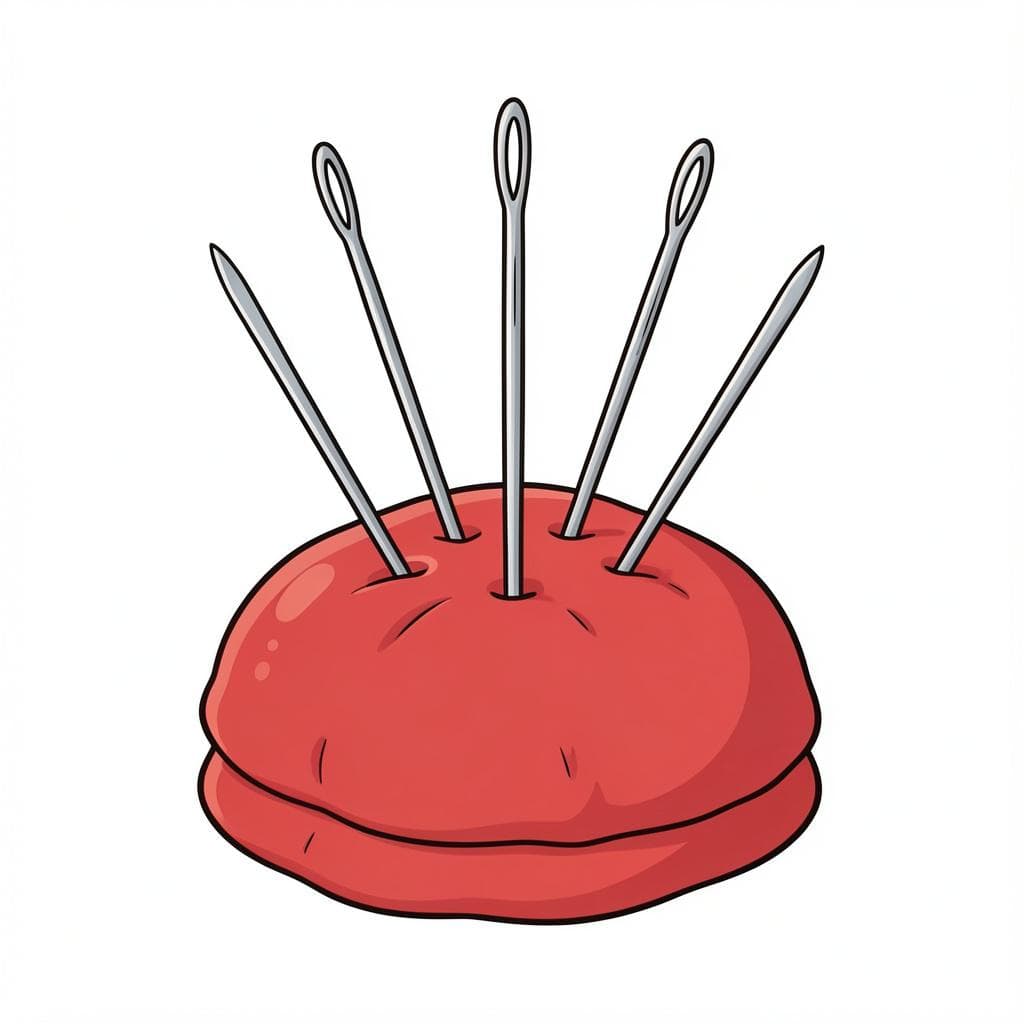
The most common Spanish word for “pins” is “agujas” — use 'agujas' when referring to the sharp, pointed metal objects used for sewing or in medical contexts (like sewing needles or medical needles).

agujas
ah-GOO-hahsaˈɡuxas
Examples
Necesito una aguja nueva para coser este botón.
I need a new needle to sew this button.
Ten cuidado con las agujas en el costurero.
Be careful with the needles in the sewing box.
El enfermero cambió las agujas para la vacuna.
The nurse changed the needles for the vaccine.
Feminine Plural
This is the plural form of 'aguja'. It is always feminine, so use 'las' or 'unas' with it.
Needles vs. Pins
Mistake: “Using 'agujas' for everything sharp.”
Correction: Use 'agujas' for things with a hole (eye) for thread or for medical injections. Use 'alfileres' for pins used to hold fabric together.
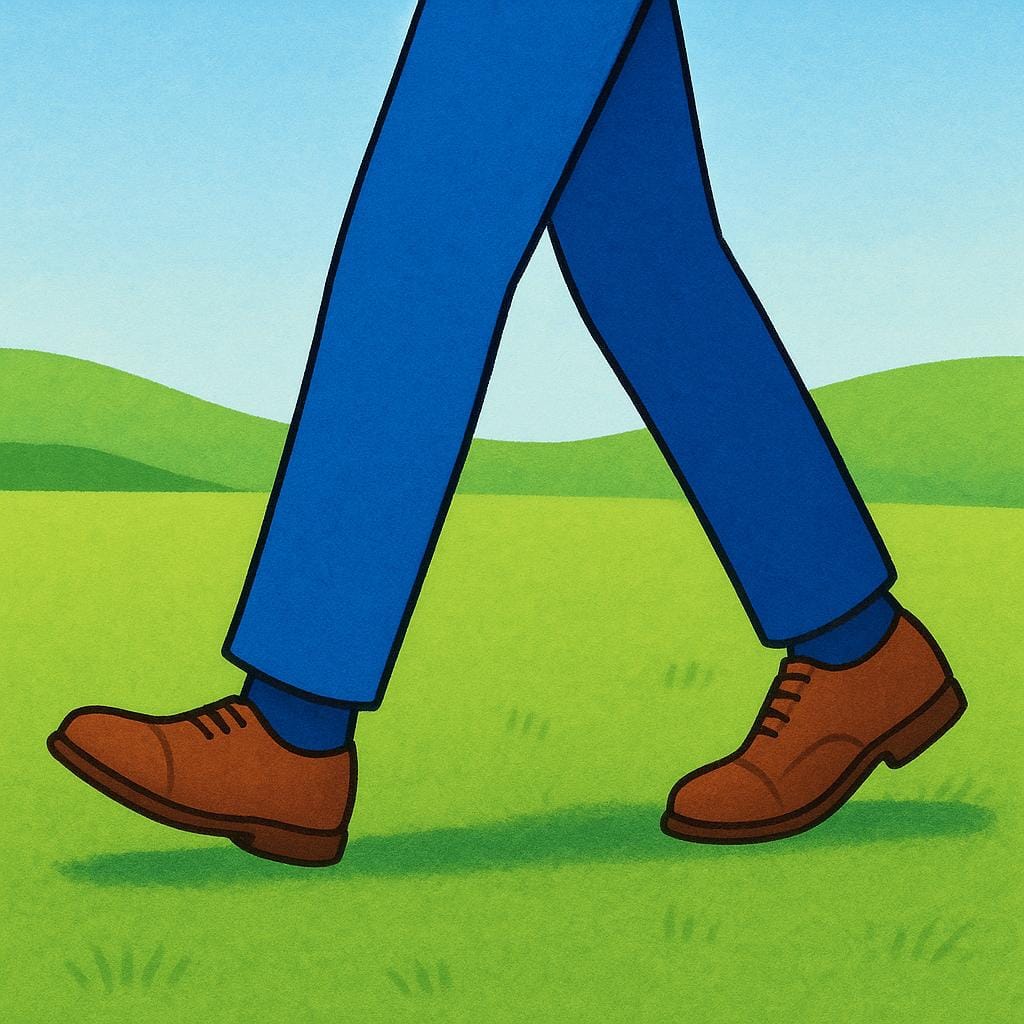
piernas
pee-EHR-nahs'pjeɾnas
Examples
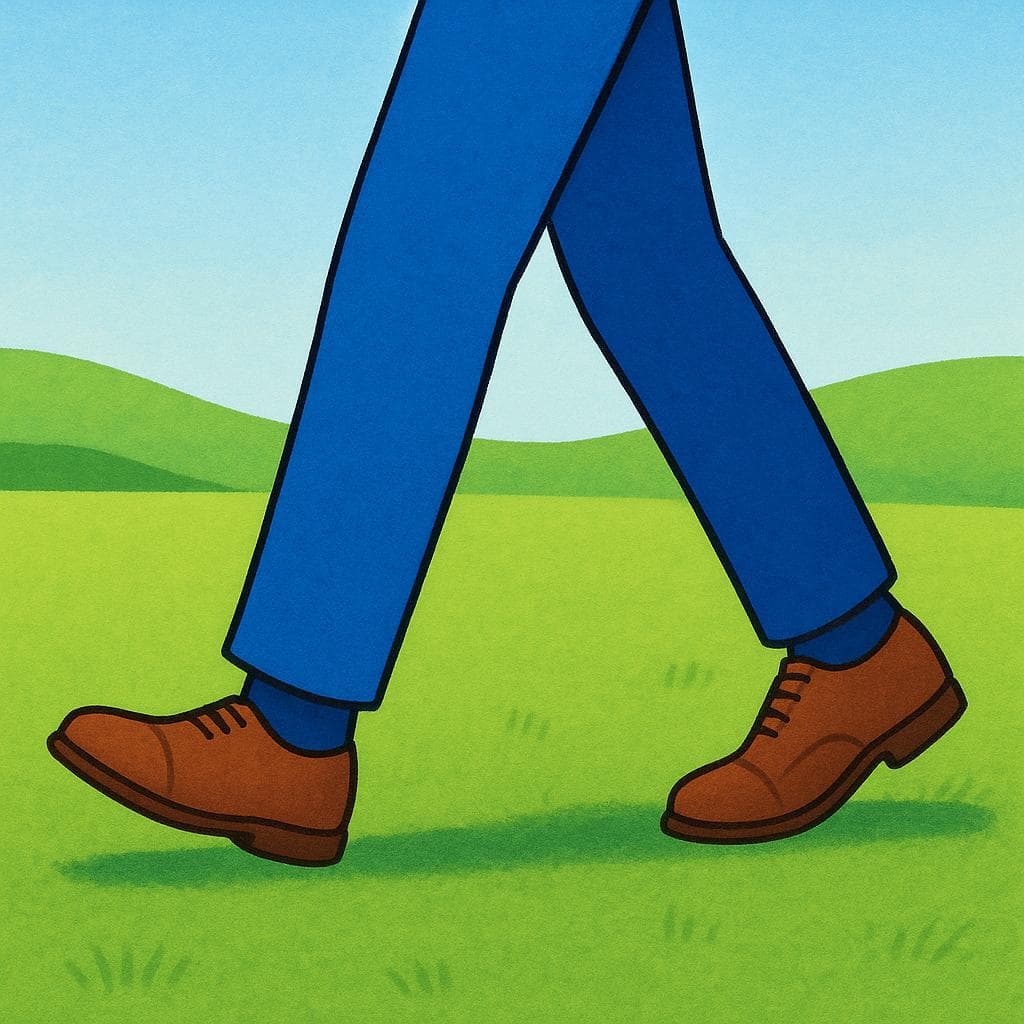
Mis piernas están agotadas después de la maratón.
My legs are exhausted after the marathon.
Me duelen las piernas después de correr diez kilómetros.
My legs hurt after running ten kilometers.
Ella tiene piernas largas y fuertes, perfectas para el ciclismo.
She has long, strong legs, perfect for cycling.
Necesitamos estirar las piernas antes de seguir conduciendo.
We need to stretch our legs before continuing to drive.
Feminine Plural Noun
Since this word ends in '-as,' it is always a feminine plural noun. You must use the feminine article 'las' (the) before it.
Using the Singular
Mistake: “Using 'pierna' when referring to both legs.”
Correction: When talking about both of your limbs, or when talking about having a quick walk, always use the plural 'piernas' (las piernas, mis piernas).
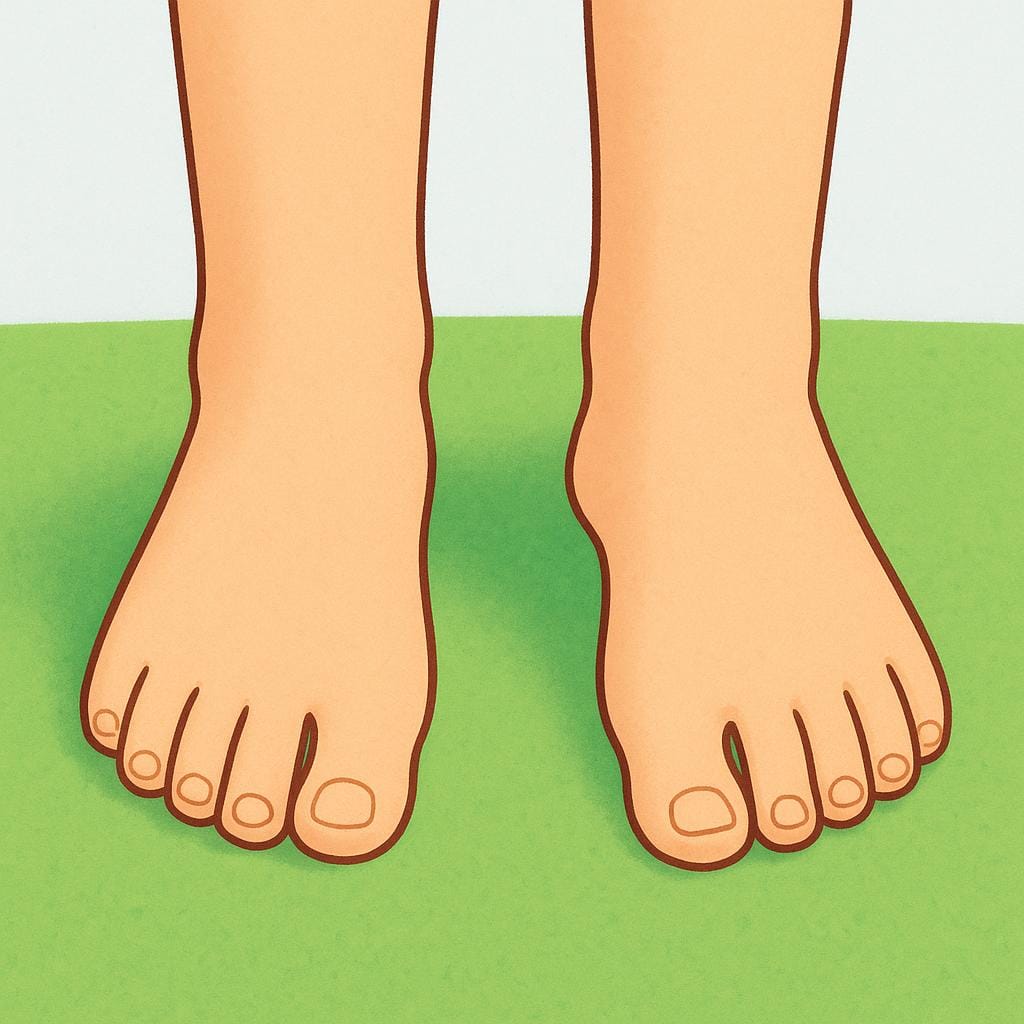
patas
PAH-tasˈpatas
Examples
¡Qué cansado estoy! Se me duelen las patas.
I'm so tired! My legs/feet are aching.
Me duelen mucho las patas después de la caminata.
My feet/legs really hurt after the walk.
Llegué a pata porque el autobús se retrasó.
I arrived on foot because the bus was delayed.
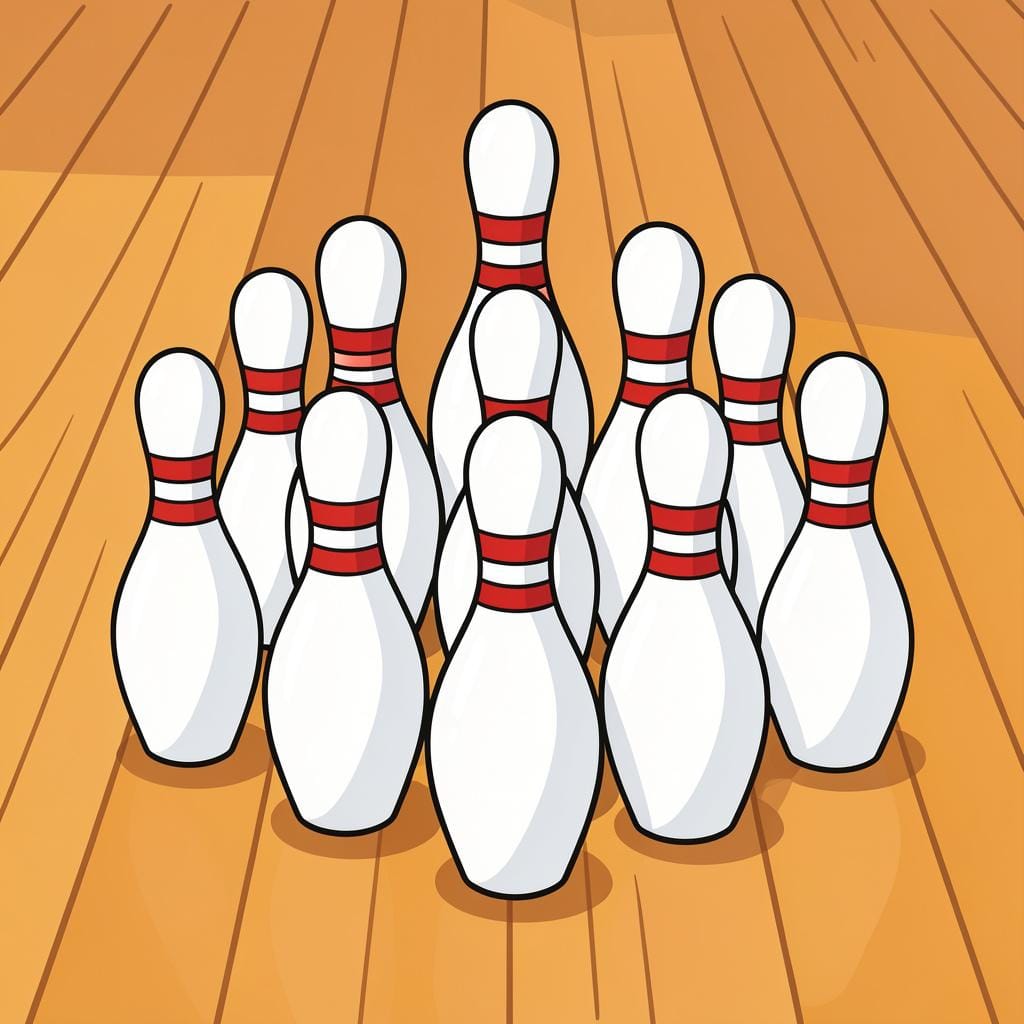
bolos
BOH-lohsˈbolos
Examples
El jugador de bolos lanzó la bola con fuerza.
The bowler threw the ball hard.
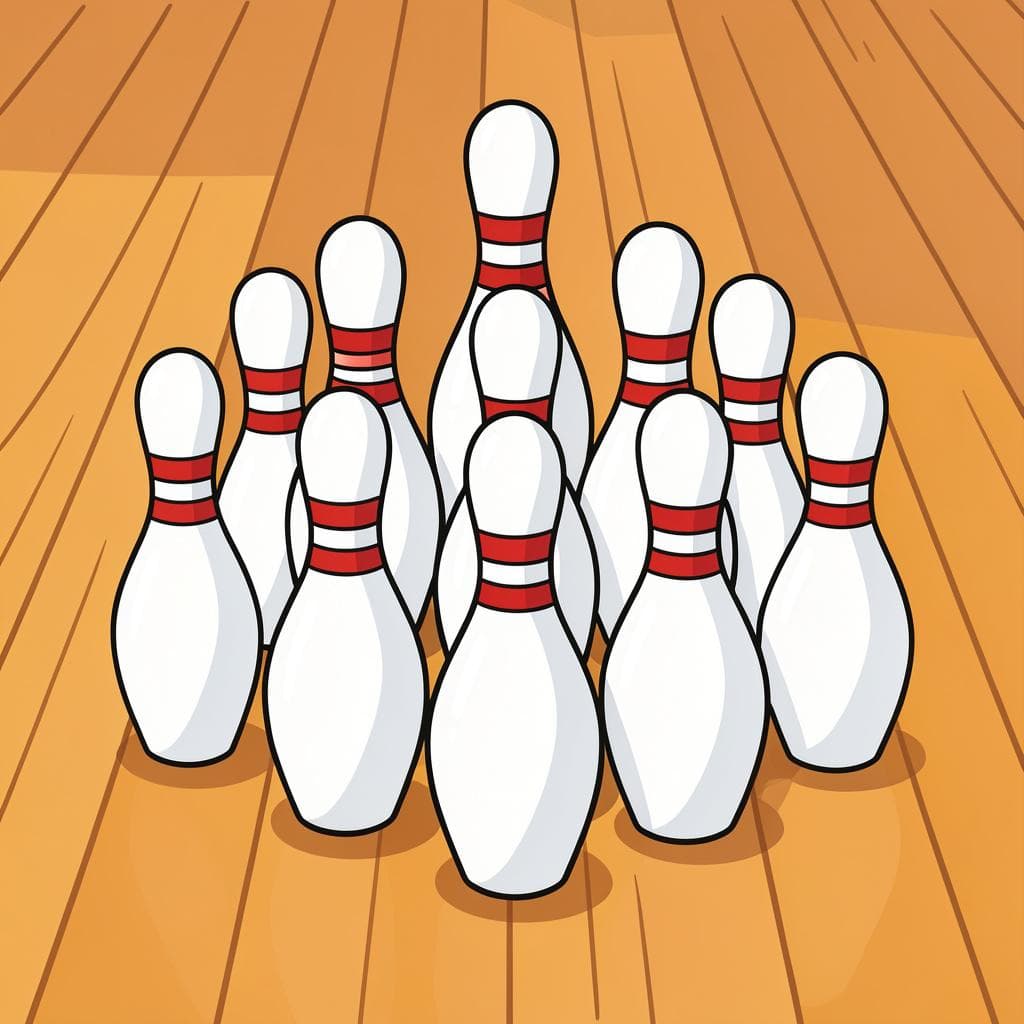
He derribado todos los bolos de un tiro.
I knocked down all the pins in one shot.
Legs vs. Needles
Learn Spanish with Inklingo
Interactive stories, personalized learning, and more.